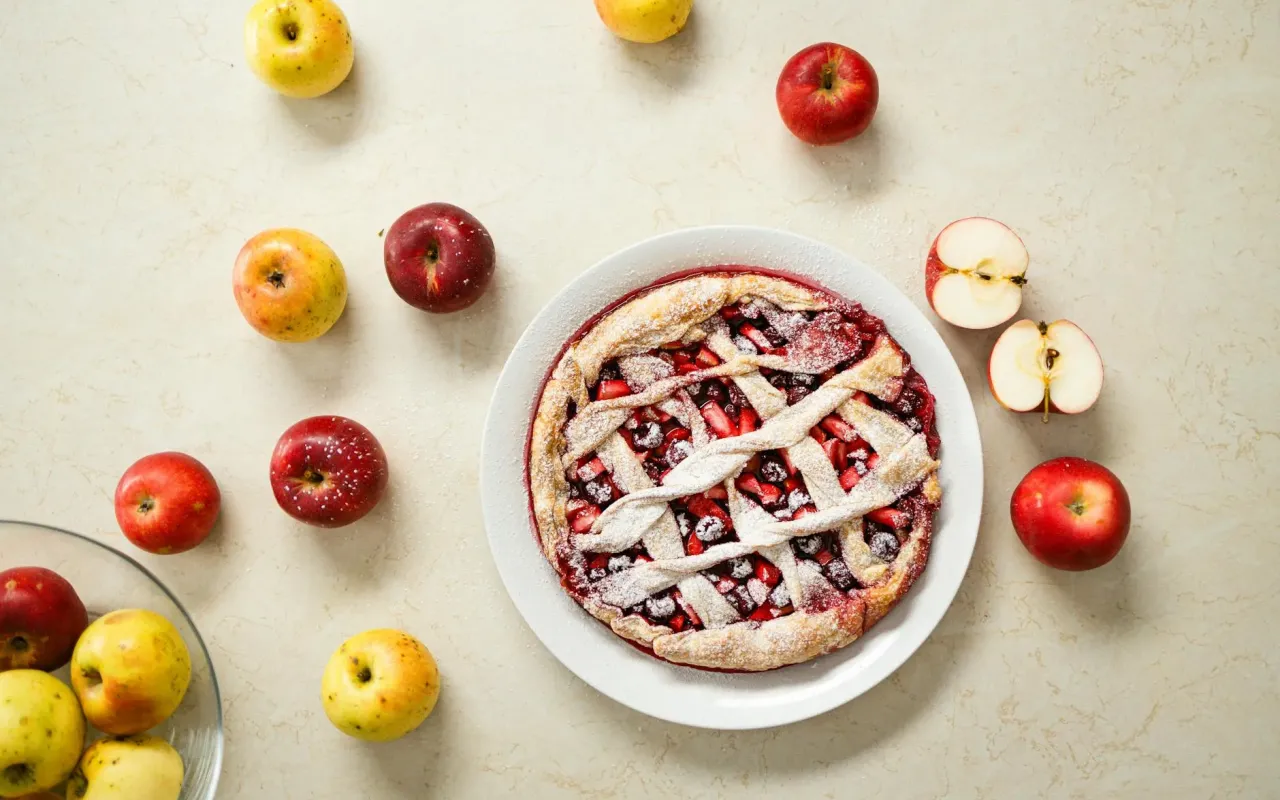
Tired of fruit pies with wet, gummy crusts? Learn five practical, kitchen-tested techniques to prevent a soggy bottom every time you bake.
- May 31, 2026
The Disappointment of a Soggy Pie Bottom
You've spent an hour rolling out a perfect flaky crust, carefully arranged your summer berries or juicy peaches, and crimped the edges like a pro. You slide the pie into the oven, dreaming of that first slice with a crisp, buttery foundation. Forty-five minutes later, you cut into it, and the bottom crust is a pale, damp, sad mess that sticks to the plate. It's a universal baking heartbreak, and it happens to the best of us.
The culprit is simple physics: fruit releases steam and liquid as it bakes. That moisture has nowhere to go but down, and it soaks into the raw dough before the heat has a chance to set the structure. The result is a gluey, undercooked layer that ruins the texture of an otherwise perfect pie. The good news is that this problem is entirely preventable with a few deliberate techniques.
I've tested these methods in my own kitchen, through dozens of pies that ranged from "meh" to "wow." Each one addresses the moisture issue from a different angle. You don't need to use all of them at once, but combining even two or three will give you a bottom crust that shatters when you bite into it, not one that clings to your fork.
Blind Bake Your Bottom Crust First
Blind baking is the most direct solution to the soggy bottom problem. You pre-bake the crust partially or fully before adding the fruit filling. This gives the dough a head start on setting its structure, creating a barrier that resists moisture absorption. It's the technique used by professional bakers for custard pies, but it works just as well for fruit pies if you handle the timing carefully.
How to Blind Bake Without Shrinking
Start by rolling your dough and fitting it into the pie dish. Prick the bottom all over with a fork—this is called docking, and it prevents air bubbles from lifting the crust. Then line the dough with a sheet of parchment paper or aluminum foil, and fill it with pie weights, dried beans, or even uncooked rice. The weights hold the dough down and prevent it from puffing up or sliding down the sides of the dish.
Bake the crust at 400°F (200°C) for about 15 minutes, then remove the weights and parchment. Return the crust to the oven for another 5–7 minutes, until it looks dry and just barely golden. This step sets the starch in the flour, creating a firm, waterproof layer. Let it cool completely before adding your fruit filling—if you pour hot fruit into a hot crust, you risk steam damage that undoes your work.
Practical Tip: For extra insurance, brush the blind-baked crust with a thin layer of melted butter or egg wash (one egg yolk beaten with a tablespoon of water) before adding the filling. This seals any tiny cracks and adds another barrier against moisture.
Prevent Moisture Before It Starts
Fruit is naturally high in water, and some varieties are worse offenders than others. Strawberries, for example, can release up to 90% of their weight in liquid during baking. You can't change the fruit, but you can change how you prepare it. The goal here is to remove excess moisture from the fruit before it ever hits the crust.
Macerate and Drain Your Fruit
Macerating means tossing your sliced fruit with sugar and letting it sit for 30–60 minutes. The sugar draws out liquid through osmosis—you'll see a pool of syrupy juice at the bottom of the bowl. Don't throw that juice away; it's pure flavor. Instead, drain the fruit through a fine-mesh sieve or colander, collecting the liquid in a small saucepan. Simmer the juice on the stove until it reduces by half, then stir it back into the fruit. You've just concentrated the flavor while removing the watery bulk that would soak your crust.
Add a Thickener to the Filling
Thickeners like cornstarch, tapioca starch, or flour absorb liquid and turn it into a gel. Without them, the fruit juices stay watery and runny. Use about 2–3 tablespoons of cornstarch or quick-cooking tapioca per 4 cups of fruit. Tapioca is my personal favorite because it creates a clear, glossy gel that doesn't dull the color of the fruit. Cornstarch works well but can turn slightly cloudy. Let the thickened filling cool to room temperature before adding it to the crust—a hot filling releases steam that can condense on the inside of the crust.
Practical Tip: If you're using frozen fruit, don't thaw it first. Toss it directly with sugar and thickener while still frozen. Thawing releases all the liquid prematurely, and you end up with a soupy mess. Baking from frozen gives the starch time to absorb moisture as the fruit heats up.
Build a Barrier Between Crust and Filling
Even with a blind-baked crust and drained fruit, moisture can still seep through. The solution is to create a physical barrier that sits between the dough and the filling. Think of it as a raincoat for your pie crust. This technique is especially useful for very juicy fruits like berries, plums, or rhubarb.
Use a Layer of Dry Ingredients
Before adding the fruit, sprinkle a thin layer of dry ingredients directly onto the bottom crust. Crushed graham crackers, finely ground nuts, or even a dusting of flour or cornmeal work beautifully. These dry crumbs absorb any stray liquid that escapes the filling, preventing it from reaching the dough. Use about 2–3 tablespoons, spread evenly across the bottom and slightly up the sides.
Try a Starch Slurry Paint
Mix one tablespoon of cornstarch with two tablespoons of cold water to make a slurry. Brush this mixture onto the blind-baked crust before adding the fruit. As the pie bakes, the starch sets into a thin, clear film that acts as a moisture seal. It's a trick I picked up from a pastry chef who specialized in no-fail fruit pies, and it works surprisingly well for such a simple step.
Practical Tip: For an extra layer of protection, combine the dry crumb method with the starch slurry. First brush the crust with the slurry, then sprinkle the crumbs on top. Let it sit for five minutes before adding the filling. This double barrier is nearly foolproof, even for the juiciest summer fruit.
Bake Low and Slow on the Bottom Rack
Oven placement and temperature are often overlooked, but they make a dramatic difference. Most home ovens have hot spots, and the top rack tends to be warmer than the bottom. If you bake a pie on the middle or top rack, the top crust and filling cook faster than the bottom crust. The bottom stays raw and gummy because it never gets enough direct heat to set properly.
Start the Pie on the Bottom Rack
Place your pie on the lowest rack of the oven, directly above the heating element. This positions the bottom crust closest to the heat source, giving it a strong blast of thermal energy. Bake the pie at 400°F (200°C) for the first 15–20 minutes. This initial high heat helps the bottom crust brown and crisp before the fruit releases its full load of liquid.
Use a Baking Stone or Steel
If you have a pizza stone or a baking steel, preheat it on the bottom rack for at least 30 minutes before baking. Place the pie dish directly on the hot stone. The stone absorbs and radiates heat evenly, mimicking the effect of a professional deck oven. I've tested this side by side with a standard baking sheet, and the difference is night and day—the stone produces a deeply golden, crunchy bottom crust every time.
Practical Tip: If you don't have a stone, use a heavy-duty aluminum baking sheet. Preheat the sheet on the bottom rack while the oven warms up. Slide the pie onto the hot sheet when you put it in. The sheet acts as a heat sink, concentrating warmth on the bottom of the pie dish.
Let the Pie Rest After Baking
You've done everything right—blind-baked crust, drained fruit, barrier layer, bottom rack. The pie comes out of the oven golden and bubbling. Now comes the hardest part: waiting. Cutting into a hot pie is the fastest way to ruin all your hard work. The filling is still liquid at that point, and it will flood the crust the second you break the seal.
The Science of Setting
As the pie cools, the starches in the thickener continue to absorb liquid and form a stable gel. This process takes time—usually 2–4 hours for a fruit pie. During this period, the filling goes from loose and runny to firm and sliceable. If you cut too early, the filling flows out like soup, and the crust gets soaked from the inside out.
Cool on a Wire Rack
Place the pie on a wire rack immediately after removing it from the oven. This allows air to circulate underneath the dish, preventing condensation from forming on the bottom. Condensation is a sneaky source of moisture—it collects between the dish and the crust, softening the bottom even if the filling didn't leak. Leave the pie to cool completely, at least 3 hours, before slicing.
Practical Tip: If you're in a rush, you can speed up the cooling process by placing the pie in a cool, draft-free spot, but never refrigerate a hot pie. The rapid temperature change can cause the crust to sweat, creating moisture where you don't want it. Patience is genuinely the secret ingredient here.