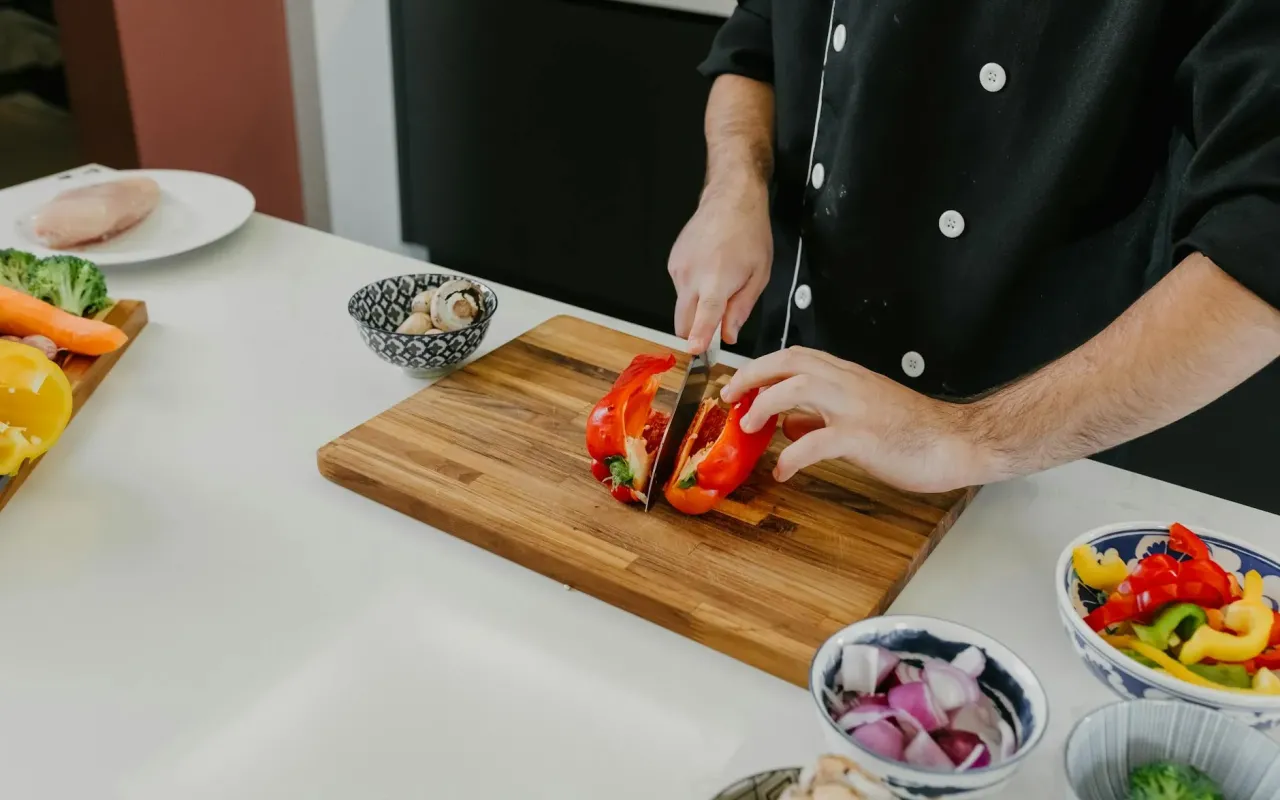
Stop wasting time and money on takeout. Learn a realistic, 90-minute meal prep system that fits your schedule and actually tastes good.
- May 29, 2026
The Sunday Scaries Are Optional
You know the feeling. It's 7:45 PM on a Tuesday. You just wrapped a video call that ran 15 minutes over, your inbox is still glowing, and your stomach is making sounds that could be mistaken for a plumbing issue. The siren call of a delivery app is loud. You're about to spend $22 on a bowl of rice and chicken that will arrive lukewarm, and you'll eat it hunched over your laptop, feeling vaguely defeated.
According to a 2026 survey by the International Food Information Council, the average American eats out or orders in 4.5 times per week, spending roughly $150. For a busy professional, that number can easily double. The problem isn't a lack of willpower. It's a lack of a system that respects your time and energy. Meal prep doesn't have to mean spending four hours on a Sunday chopping kale into oblivion. It means buying back your evenings, saving money, and eating food that doesn't make you feel like a greasy mess.
I'm not going to tell you to cook 21 meals in one go. That's a recipe for sad, soggy leftovers by Thursday. Instead, we're going to build a system that takes 90 minutes, uses your freezer as a friend, and ensures you never have to decide what to eat when you're hangry.
Why Your Current Meal Prep Strategy Is Failing
Most people fail at meal prep because they treat it like a diet. They try to cook elaborate, Insta-worthy bowls with quinoa, roasted vegetables, and a perfectly seared piece of salmon. By Wednesday, the salmon is dry, the quinoa is mushy, and they're ordering pizza. The core issue is that these plans ignore the reality of a busy week: you are tired, you have zero decision-making energy left, and you want something that tastes good in under 5 minutes.
Another common pitfall is the "all-or-nothing" mentality. You buy a fridge full of ingredients, spend Sunday afternoon prepping, and then a work emergency derails your plan. You miss one day, feel guilty, and the entire system collapses. This isn't a moral failing. It's a system design problem. You need a plan that is flexible, forgiving, and built for the chaos of a real professional life.
The secret is to stop prepping meals and start prepping components. Instead of making five identical lunches, you cook a batch of protein, a batch of starch, and a batch of vegetables. Then, you mix and match them throughout the week. This prevents flavor fatigue and gives you the illusion of choice, which is psychologically critical when you're staring down a Wednesday afternoon slump.
The 90-Minute Component System
Set a timer for 90 minutes. That's your total time investment for the week. Here is the exact blueprint. First, pick one protein. Chicken thighs are superior to breasts here—they stay moist after reheating. Season them simply with salt, pepper, and garlic powder. Roast them at 400°F for 30-35 minutes. Second, pick one starch. White rice is fine. Quinoa is fine. But the real MVP is the humble potato. Roast a sheet pan of cubed sweet potatoes or Yukon golds with olive oil and rosemary. They reheat beautifully and are more satisfying than grains.
Third, pick two vegetables. You need variety in texture. Roast broccoli (it gets crispy) and sauté some bell peppers and onions. These are forgiving and versatile. Finally, prepare one "sauce" or dressing. A simple vinaigrette (olive oil, lemon juice, Dijon mustard, salt) or a peanut sauce (peanut butter, soy sauce, lime juice, sriracha) will save your life. A good sauce transforms the same three components into a completely different meal.
That's it. You now have a modular pantry. On a busy night, you grab a container of chicken, a scoop of potatoes, and some broccoli. Microwave for 90 seconds. Add sauce. Done. No decision fatigue. No guilt. The entire process, including cleanup, should fit into that 90-minute window. If it takes longer, you're overcomplicating it.
How to Make Breakfast and Lunch Disappear
Breakfast is the easiest meal to automate, and it's the one most professionals screw up. You grab a granola bar on the way out the door, which is essentially a cookie with good PR. Or you skip it entirely, leading to a blood sugar crash by 10 AM. The solution is a grab-and-go breakfast that takes zero morning effort. Overnight oats are the classic, but they can be boring. Try a savory egg muffin. Whisk 8 eggs with salt, pepper, and shredded cheese. Pour into a greased muffin tin. Add cooked sausage, spinach, or leftover vegetables. Bake at 350°F for 18 minutes. You now have 12 protein-packed breakfasts that you can grab from the fridge and eat cold or microwave for 30 seconds.
Lunch is where most of your money goes. The takeout habit is expensive and unhealthy. Your lunch prep should be almost thoughtless. Take your component system from above and assemble it into a "bento box" style container. Put the protein in one section, the starch in another, and the vegetables in the third. Do not mix them. Mixing leads to sogginess. On Sunday evening, pack five identical containers. Stack them in the fridge. Every morning, grab one. That's it. No decisions. No packing. Just grab and go.
The psychological trick here is to remove the "what am I eating?" question from your day. When you have a pre-packed lunch, you have already won the battle. You don't need to think about calories, macros, or money. You just need to eat. This single habit can save you $50-$100 per week and countless hours of decision fatigue. It's not sexy, but it works.
The Freezer Is Your Secret Weapon
Most people treat their freezer like a dark abyss where frozen pizzas go to die. That's a mistake. Your freezer is the ultimate tool for meal prep resilience. If you have a week where you simply cannot prep, you need a backup plan that isn't takeout. This is where "emergency meals" come in. Spend one extra 30-minute session every month making a double batch of chili, soup, or curry. Portion it into freezer-safe bags or containers. Label them with a Sharpie. Stack them flat in your freezer.
When you have a brutal week and your Sunday prep session gets canceled, you pull out a bag of chili. Thaw it in the microwave or in a pot of hot water. Serve it with a bag of pre-washed salad greens or a microwaved sweet potato. You have a real, homemade meal in 10 minutes. This prevents the domino effect of one bad week ruining your entire habit. The freezer is not just for leftovers. It's your insurance policy against burnout.
Another freezer trick: freeze your sauces and dressings separately. Make a big batch of pesto, chimichurri, or tomato sauce. Freeze them in ice cube trays. Once frozen, pop them out and store them in a freezer bag. Now you have single-serving flavor bombs. Add a cube to your reheated chicken and rice, and suddenly it tastes like a new dish. This tiny effort prevents the "I'm so bored of this food" feeling that kills meal prep motivation by Thursday.
Real-World Strategies for the Chaos of Life
Let's be honest. You will not prep every single week. Life happens. You have a late work event, a social obligation, or you simply don't feel like it. That's okay. The goal is not perfection. The goal is to prep more often than you don't. The 80/20 rule applies here. If you prep successfully 80% of the weeks, you are winning. The other 20% of the time, you have your freezer backup or you allow yourself the grace to order takeout without guilt.
One practical strategy is to "prep in the gaps." You don't need a dedicated two-hour block on Sunday. You can prep while you're doing other things. While your coffee is brewing in the morning, chop a bell pepper. While you're waiting for a Zoom call to start, portion out some almonds into snack bags. While you're watching a show in the evening, batch cook a pot of rice. These micro-sessions of 10-15 minutes add up. By Friday, you've essentially prepped without ever sitting down for a dedicated session.
Another game-changer is the "grocery delivery" strategy. Do not go to the store on a Sunday afternoon. It's crowded, you're tired, and you'll make impulse buys. Schedule a grocery delivery for Saturday morning. Have the ingredients arrive at your door. You can unpack them while you're still in your pajamas. This removes the biggest friction point: the actual trip to the store. If you can eliminate that, you are far more likely to actually execute your prep session.
The One-Container Rule for Dinner
Dinner is the hardest meal to prep for because it's often social or spontaneous. You might want to go out with friends or cook something fresh. Rigid meal prep for dinner usually fails. Instead, use the "one-container rule." Prep one single container of a versatile base for the week. This could be a batch of cooked ground beef (seasoned with taco seasoning), a batch of shredded chicken (with cumin and lime), or a batch of cooked lentils. Keep this one container in the fridge.
Now, when you get home and don't want to cook, you have a head start. You can turn that ground beef into tacos in 5 minutes (add tortillas, salsa, avocado). You can turn that shredded chicken into a quick salad (add greens, corn, black beans). You can turn those lentils into a bowl with a fried egg on top. The one-container rule gives you a foundation without locking you into a specific meal. You still have the flexibility to cook fresh or eat out, but you always have a quick, healthy option waiting for you.
This approach respects your social life. If a colleague asks you to grab dinner on Tuesday, you say yes. Your one container of protein will keep for 4-5 days. You can use it for lunch on Wednesday instead. The system bends, but it doesn't break. That's the hallmark of a sustainable habit.
Tools That Actually Save You Time
You don't need a $400 Instapot or a Vitamix to meal prep effectively. You need three things: a sheet pan, a sharp chef's knife, and a set of glass containers. That's it. The sheet pan is for roasting everything at once. The knife is for efficient chopping. The glass containers are for storing food that won't stain or absorb odors. Do not buy those cheap plastic containers. They warp in the dishwasher and they make your food taste like last week's curry. Invest in a set of 4-5 glass containers with snap-lock lids. They cost about $25 and they will last for years.
The one splurge that is actually worth it is a rice cooker. Not a fancy one. A basic $20 model. Set it and forget it. You can cook a large batch of rice, quinoa, or even steel-cut oats without standing over a stove. This frees up your stovetop for other things and eliminates a major source of cooking anxiety: burning the rice. Set the timer, walk away, and come back to perfectly cooked grains.
Finally, get a good set of measuring spoons and a kitchen scale. You are not measuring for a recipe. You are measuring to create consistency. When you know exactly how much rice you need for 5 servings, you waste less food. The scale is also crucial for portioning out protein. It ensures you have enough for the week without overbuying. These small tools eliminate the guesswork that makes meal prep feel like a science experiment. It should feel like a simple, repeatable process.
Your First 90-Minute Session: A Step-by-Step Script
Here is exactly what to do on your first Sunday. Turn on some music or a podcast. Set your timer for 90 minutes. Step one: Preheat your oven to 400°F. Step two: Wash and cut 2 pounds of sweet potatoes into 1-inch cubes. Toss them with olive oil, salt, and pepper. Spread them on one sheet pan. Step three: Trim 2 pounds of chicken thighs. Season with salt, pepper, garlic powder, and paprika. Place them on a second sheet pan. Put both pans in the oven. Set a timer for 30 minutes.
While that cooks, step four: Rinse 2 cups of rice. Add it to your rice cooker with 3 cups of water. Turn it on. Step five: Chop 1 head of broccoli into florets. Chop 2 bell peppers and 1 red onion into strips. Step six: Make a simple vinaigrette: 1/4 cup olive oil, 2 tablespoons lemon juice, 1 teaspoon Dijon mustard, salt, and pepper. Whisk in a jar. When the oven timer goes off, pull the pans out. The chicken should be at 165°F internally. Let everything cool for 10 minutes.
Step seven: Portion everything into your glass containers. Divide the rice into 5 containers. Top with the roasted vegetables and chicken. Store the vinaigrette separately. Clean up. You are done. You have 5 complete lunches. The entire process, including cleanup, should take exactly 90 minutes. You have just saved yourself roughly 5 hours of decision-making and takeout-ordering during the week. That's a win.
The Real ROI Is Your Sanity
Meal prep is not about being a perfect eater. It's about being a strategic one. The real return on investment is not the money you save (though you will save hundreds per month). It's the mental energy you reclaim. Every decision you remove from your day is a small victory. When you don't have to figure out lunch, you have more bandwidth for the work that actually matters. You are not just feeding your body. You are streamlining your life.
Start small. Pick one meal to prep this week. Maybe it's just breakfast. Maybe it's just lunch. Do not try to overhaul your entire diet overnight. The goal is to build a tiny, repeatable habit that you can actually maintain. After two weeks, add dinner prep. After a month, add the freezer backup. The system builds itself. You just need to take the first 90-minute step.
Your future self, the one who is not hangry at 8 PM on a Wednesday, will thank you.