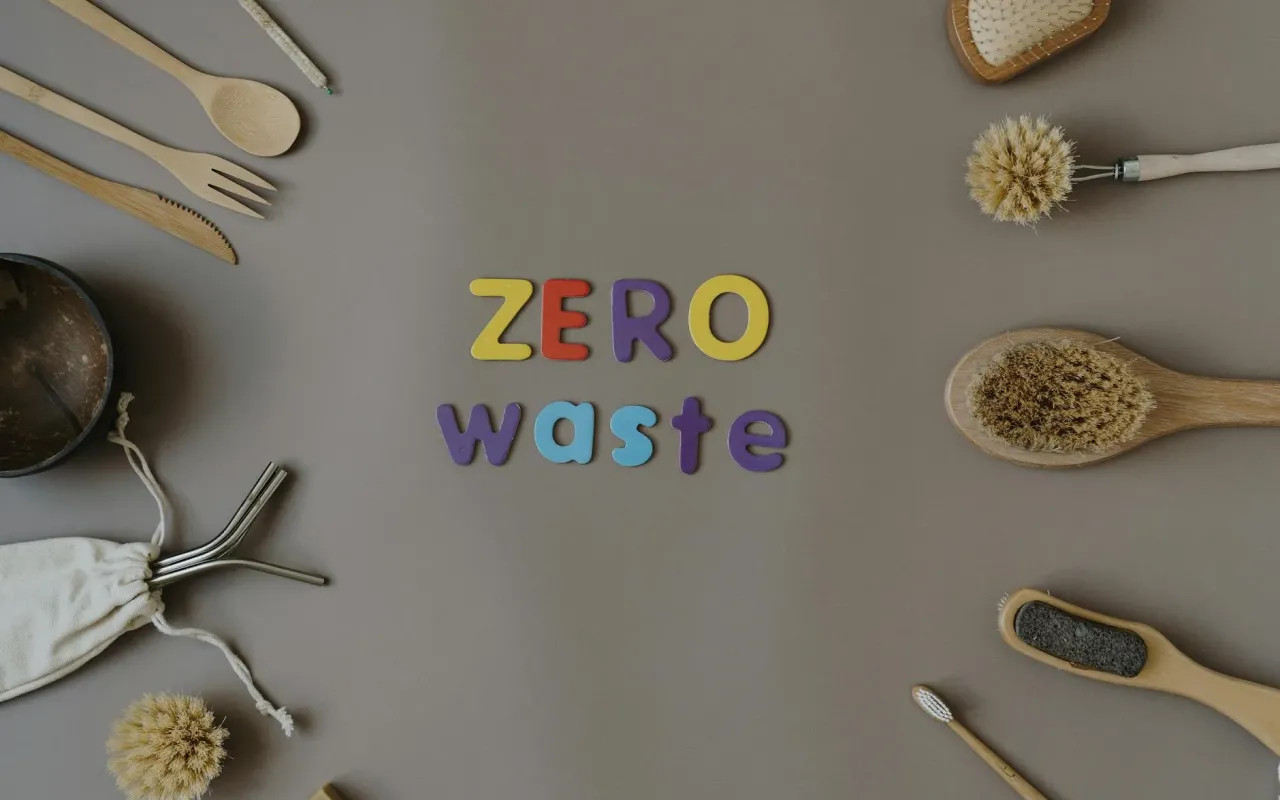
Zero waste living feels impossible? I tested the basics for 30 days. Here's what saved money, what flopped, and how to start without burnout.
- May 26, 2026
Why I Thought Zero Waste Was for Extremists (Until I Tried It)
I used to roll my eyes at influencers showing off perfectly organized glass jars and bamboo toothbrushes. It felt like a hobby for people with too much time and a trust fund. But last year, I watched a documentary about plastic pollution in the ocean, and the image of a sea turtle with a straw stuck in its nose wouldn't leave my brain.
So I decided to try one month of zero waste living — not as a perfectionist, but as a curious skeptic. I set three rules: no buying new plastic containers, no single-use water bottles, and no food waste. The first week was humbling. I realized my "recycling" habit was mostly wishful thinking. According to the EPA, only about 5% of plastics actually get recycled in the U.S. The rest ends up in landfills or the ocean.
But here's the surprise: by week three, I had saved $47 on groceries, stopped buying paper towels entirely, and felt less overwhelmed by my kitchen clutter. This isn't a story about becoming a waste-free saint. It's about finding small switches that actually fit a normal, busy life.
The Five Biggest Lies About Zero Waste Living
Lie #1: You Need to Buy Expensive Starter Kits
Instagram makes it look like you need a $60 stainless steel lunchbox and $30 beeswax wraps. I started with what I already owned: old mason jars from pasta sauce, cloth bags from grocery store giveaways, and a reusable water bottle I'd gotten free at a conference. The zero waste movement should be about reducing consumption, not buying more stuff.
Actionable tip: Take inventory of your kitchen right now. You probably have 3-5 containers you can repurpose for bulk shopping, leftovers, or storing snacks. Use those for the first month before buying anything new.
Lie #2: Zero Waste Means Zero Convenience
The biggest myth is that you'll spend hours making toothpaste and carrying around a survival kit. In reality, I found that meal prepping on Sundays actually saved me time during the week. Packing a lunch in a reusable container took the same 30 seconds as grabbing a plastic-wrapped sandwich from the deli.
Data point: A 2022 study from the University of Michigan found that households practicing low-waste habits saved an average of 2.4 hours per week on grocery shopping because they planned meals and avoided impulse buys.
Lie #3: Recycling Is the Answer
This one hurts. I grew up believing that if I put something in the blue bin, it magically became a new product. The reality is that most recycling facilities in the U.S. are underfunded and can only process certain plastics. A 2026 report from Greenpeace found that only 21% of plastic items are actually recyclable in practice.
Practical shift: Instead of focusing on recycling better, focus on refusing single-use items. Bring a reusable coffee cup to your local café — most places now offer a 10-20 cent discount for doing so.
Lie #4: It's All or Nothing
When I told my friend I was trying zero waste, she said, "Oh, so you're never eating takeout again?" That's like saying if you can't run a marathon, you should never walk. I still ordered pizza — I just asked them to skip the plastic table and extra napkins. I still bought a bottled water once when I forgot my flask on a hot day.
Mindset shift: The goal isn't perfection. It's progress. If you reduce your waste by 30%, that's still a massive win for the planet and your wallet.
Lie #5: It's Only for Rich People
This one makes me angry. The most sustainable things are often the cheapest: buying in bulk saves money, cooking at home costs less than takeout, and using cloth napkins means you never buy paper ones again. The expensive "eco-friendly" brands are marketing to people who want to buy their way into the movement. But the original zero waste ethos is about consuming less, not spending more.
Where to Actually Start (Without Overwhelm)
The Kitchen: Your Highest-Impact Zone
Most household waste comes from the kitchen: food packaging, food scraps, and disposable products. I started with three changes that took less than 10 minutes each. First, I switched to a bar soap instead of liquid soap in a plastic pump. Second, I started using the last bits of vegetables to make broth instead of throwing them away. Third, I bought one reusable produce bag for bulk bins.
Actionable tip: Pick one drawer or shelf in your kitchen. Designate it as your "zero waste station" — keep your reusable bags, containers, and water bottle there. Having a visible home for these items makes it 10x easier to remember them when you leave the house.
The Bathroom: Small Swaps, Big Impact
Bathrooms are plastic-heavy because of shampoo bottles, toothpaste tubes, and disposable razors. I replaced my plastic toothbrush with a bamboo one ($3 on Amazon) and started using a safety razor that cost $20 upfront but saves me $15 per year on disposable blades. The real game-changer was switching to a shampoo bar — it lasted three months and eliminated two plastic bottles.
Data point: The average American uses 12 plastic bottles from personal care products per year. Multiply that by 330 million people, and you get 4 billion bottles — most of which will never be recycled.
On the Go: The Carry-Everywhere Strategy
I failed at zero waste for the first two weeks because I kept forgetting my supplies. Then I created a "go bag" that lives in my backpack: a collapsible silicone cup, a metal straw, a cloth napkin, and a small container for snacks. Now I never have to say "sorry, I forgot" when a cashier offers me a plastic bag.
Practical hack: Keep a spare set in your car or office drawer. When you're rushing out the door, you won't remember to grab your reusable items. But if they're already in your bag, you'll use them without thinking.
The Money Side: How Zero Waste Actually Saves You Cash
I tracked my spending for the month. Before zero waste, I spent about $85 per week on groceries. After, it dropped to $62. The savings came from three places: buying in bulk (rice, beans, oats cost 30% less per pound), cooking meals instead of ordering delivery, and not buying paper products. I also stopped buying bottled water, which saved $12 per week.
But the biggest savings came from something unexpected: I stopped impulse buying. When you're trying to reduce waste, you think twice before grabbing a plastic-wrapped snack or a trendy new gadget. That pause alone saved me from at least five unnecessary purchases that month.
Actionable tip: For one week, write down every single thing you throw away. You'll be shocked at how much of it is packaging from things you didn't really need. That awareness alone will change your buying habits.
The Social Side: How to Handle Friends, Family, and Restaurants
Zero waste can feel lonely when your roommate throws a plastic water bottle in the trash or your mom buys you a gift wrapped in non-recyclable paper. I learned to handle these situations with grace instead of judgment. When my friend ordered takeout with plastic containers, I didn't lecture her — I just asked if she wanted to split the leftovers in my glass container.
Restaurants are easier than you think. Most places will happily put your leftovers in a container you brought, especially if you ask nicely. Coffee shops are the same — just hand them your cup and say "for here, please." The key is to make it easy for them, not to make a scene about saving the planet.
Practical tip: When someone offers you something wasteful, say "no thank you" with a smile. You don't need to explain your lifestyle choices to anyone. Your actions speak louder than your words.
The Environmental Impact: Why Your Small Efforts Matter
It's easy to feel like one person can't make a difference. But consider this: if every American replaced just one plastic water bottle per week, we'd eliminate 1.5 billion bottles from landfills annually. That's not a drop in the ocean — that's a real, measurable change. The zero waste movement isn't about guilt; it's about collective action.
I also learned that reducing waste has a ripple effect. When my coworker saw me using a reusable coffee cup, she bought one the next week. When my neighbor saw me composting, she started her own bin. You don't have to be a preacher — just living your values quietly inspires others more than any lecture ever could.
Actionable tip: Share one thing you're doing on social media or with a friend. Not to show off, but to normalize it. The more people see zero waste as normal, the easier it becomes for everyone.
What I Learned After 30 Days (And What I Still Struggle With)
I didn't become a zero waste guru in one month. I still buy cheese wrapped in plastic because I haven't found a bulk option. I still forget my reusable bag sometimes. But I learned that the goal isn't to be perfect — it's to be better than you were yesterday. The turtle with the straw in its nose doesn't care if you're 100% zero waste. It cares that you're trying.
The biggest change was mental. I stopped seeing waste as invisible and started seeing it as a choice. That awareness has stuck with me long after the month ended. I now ask myself one question before every purchase: "Where will this be in 10 years?" If the answer is "a landfill," I look for an alternative.
Final actionable tip: Pick one single-use item you use daily — plastic water bottles, paper napkins, disposable coffee cups — and replace it with a reusable version this week. That's it. One change. Do that for 30 days, and you'll have built a habit that saves money, reduces waste, and makes you feel like you're actually doing something.