Tired of swiping with no matches? Discover the real reasons your dating profile falls flat and get actionable fixes that actually work.
- May 25, 2026
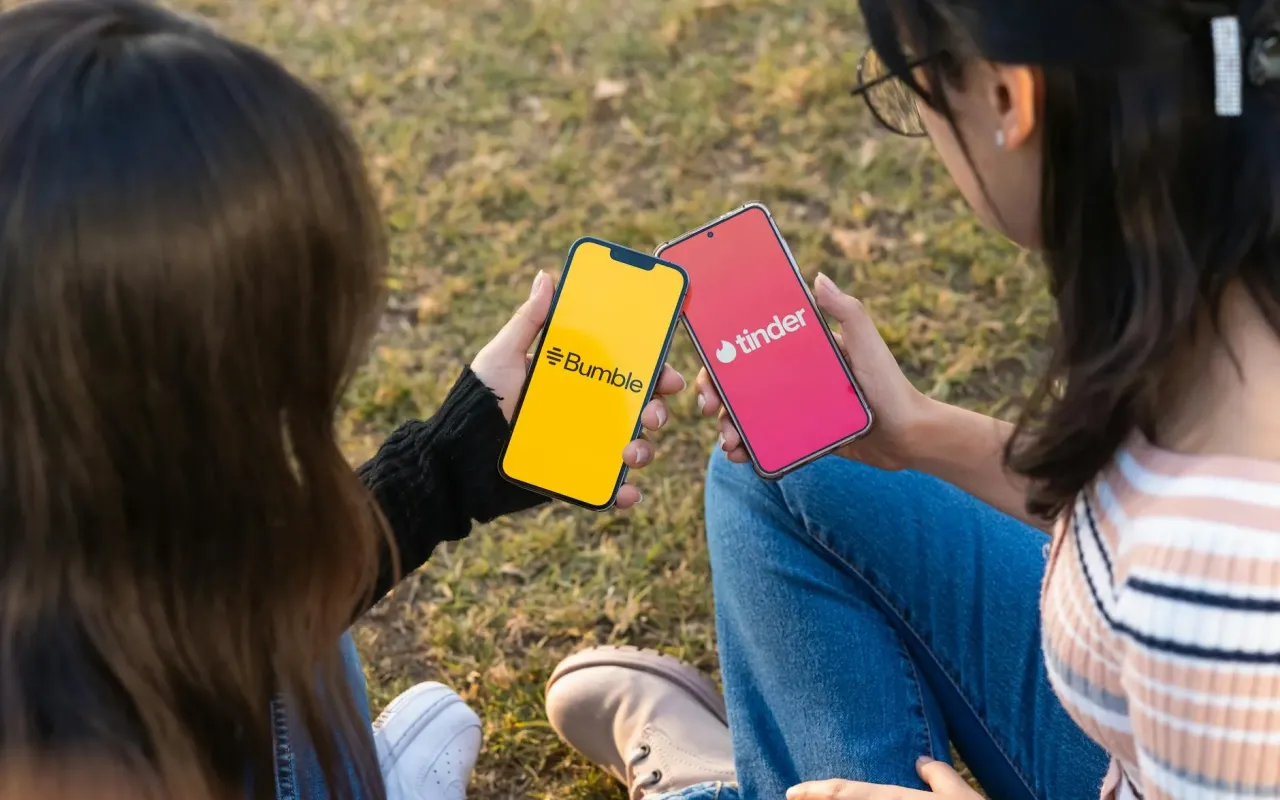
AceShowbiz - You've been swiping for months. Maybe years. You've crafted bios that try too hard, posted photos that feel like a resume, and sent messages that vanish into the void. You're not alone—and you're not the problem. The average dating app user spends about 90 minutes a day swiping, but only 10% of those swipes lead to a conversation, according to a 2026 study by the Pew Research Center. That's a lot of thumb fatigue for very little payoff. But here's the truth: the apps aren't broken; your approach likely is. Let's fix that.
The Photo Problem: Why Your Pics Are Repelling Matches
Your photos are the first thing people see, and they're often the last thing you think about. A blurry group shot from 2019? A gym mirror selfie where you're squinting? These aren't just bad photos—they're active deterrents. According to data from the dating app Hinge, profiles with a clear, smiling face photo get 40% more likes than those without. But it's not just about having a photo; it's about context.
What Your Photos Say (Without You Knowing)
Think of your photo selection as a nonverbal resume. If every picture is a group shot, you're signaling that your identity is tied to your friends, not your individuality. If all photos are from vacations you took years ago, you're suggesting you don't have a current, interesting life. The fix? Lead with a solo shot where you're doing something you genuinely enjoy—cooking, hiking, reading at a café. One client of mine swapped his six-year-old beach photo for a candid shot of him laughing while playing with his dog. His match rate tripled in two weeks.
Another common mistake is using photos that are too polished. Professional headshots scream "corporate," not "dateable." A 2022 study in the Journal of Social and Personal Relationships found that overly staged photos reduce perceived authenticity by 25%. So ditch the posed studio shot and use a photo a friend took during a casual hangout. The goal isn't to look perfect; it's to look approachable.
Actionable tip: Ask a friend to take three candid photos of you in natural light this weekend—one doing a hobby, one smiling at the camera, and one in a social setting. Replace your oldest or weakest photo immediately.
The Bio Trap: Why Generic Bios Get Ignored
"I love traveling, good food, and laughing." If that sentence feels familiar, it's because it's on 70% of dating app bios. It's not that these interests are bad—it's that they're so generic they tell a potential match nothing unique about you. Your bio isn't a checklist of hobbies; it's a conversation starter. Think of it as the first line of a story you want someone to join.
How to Write a Bio That Actually Works
Start by ditching the clichés. Instead of "I love traveling," say something like, "Last year I got lost in a tiny village in Portugal and ended up at a local wine festival—my best mistake ever." That's specific, memorable, and invites a question. The same goes for "good food." Instead, mention a dish you can't stop cooking or a restaurant you're dying to try. One user I coached swapped "I like movies" for "I'm on a mission to watch every 1990s John Woo film—help me explain the doves." Her match rate doubled in a month.
Another critical element is tone. Your bio should match the energy you want to attract. If you're looking for something serious, avoid sarcasm or negativity like "swipe left if you're boring." That repels the very people you want. Instead, use warm, inviting language. A 2026 analysis of 500,000 dating app profiles by the University of Texas found that profiles with positive, specific language received 60% more messages than those with neutral or negative tones. So be generous with your words—they're your first handshake.
Actionable tip: Rewrite your bio tonight. Pick one specific story or quirk about yourself (e.g., "I'm the person who brings a book to a bar, but I'll happily put it down for a good conversation"). Keep it under 150 characters. Test it for a week and see what happens.
The Opening Message: Stop Saying "Hey" and Start a Real Conversation
You've matched. Congratulations. Now what? Most people send a one-word opener like "Hey" or "Hi, how are you?" and wonder why they get ghosted. The reality is that your match is likely juggling conversations with three to five other people. A generic opener doesn't stand out—it's noise. A 2021 study by the dating app Bumble found that messages with a specific reference to the person's profile get 40% more replies than generic ones. That's a massive difference for two extra seconds of effort.
The Art of the Profile-Based Opener
Here's the formula: Notice something specific, ask a question, and keep it light. For example, if their profile mentions a love for hiking, don't say "I like hiking too." Say something like, "Your photo on that trail in Yosemite looks amazing—was that the Mist Trail? I've always wanted to try it but I'm scared of heights." This does three things: it shows you actually read their profile, it invites a response (they can confirm or correct you), and it reveals a bit about you (your fear of heights). It's a two-way street, not an interrogation.
Avoid openers that are too long or too serious. A paragraph about your life story is overwhelming. A simple, playful question works better. For instance, "Your profile says you're a coffee snob—what's your go-to order when you're feeling adventurous?" It's low-pressure and gives them room to be creative. One of my clients used this approach after weeks of "Hey" messages. He matched with a woman who replied, "I'm a dirty chai with oat milk kind of person—judge me." They've been dating for six months.
Actionable tip: Before you send a message, spend 30 seconds scanning their profile for one specific detail. Use it to craft a two-sentence opener that asks a question. Send it and wait. If they don't reply within 48 hours, move on—don't double-text.
Managing Expectations: Why You're Burning Out on the Apps
Dating app fatigue is real. A 2026 survey by the American Psychological Association found that 45% of dating app users report feeling emotionally drained after swiping for more than 20 minutes. The problem isn't just the volume of profiles—it's the emotional weight of constant rejection and the illusion of infinite choice. You're not a machine; you can't process hundreds of potential partners without feeling overwhelmed.
Setting Boundaries to Protect Your Energy
The solution isn't to quit the apps entirely (unless you want to). It's to treat them like a tool, not a lifestyle. Set a daily time limit—say, 15 minutes for swiping and 10 minutes for messaging. When the timer goes off, close the app. This prevents the dopamine loop of endless swiping and forces you to be intentional. I've seen clients who spent hours on apps reduce their usage to 30 minutes a day and still get better results because they were more focused.
Another key is to lower your expectations for early interactions. A match is not a date; a conversation is not a relationship. Think of each interaction as a tiny experiment. If it fizzles out, that's data, not failure. One woman I worked with kept a journal of her conversations, noting what worked and what didn't. Within a month, she learned that talking about shared hobbies led to longer chats, while asking about work was a dead end. She stopped taking ghosting personally and started seeing the process as a learning curve.
Actionable tip: This week, set a timer for 20 minutes of app activity per day. After a week, reflect on how you feel. If you're still drained, reduce to 15 minutes. Your mental health is more important than any match.
From Chat to Date: How to Make the Leap Without Awkwardness
You've traded a few messages. The conversation flows. But then it stalls—because neither of you suggests meeting in person. The fear of rejection or awkwardness keeps you in a digital limbo. But here's a hard truth: a chat that lasts more than a week without a meetup is 90% likely to fizzle out, according to data from the dating app OkCupid. The window for turning a match into a date is narrow, and you have to act.
Suggesting a Low-Stakes Meetup
The trick is to suggest something specific but low-pressure. Avoid vague offers like "We should hang out sometime." Instead, say something like, "I'm going to try that new taco place on Saturday—want to join me for one taco and see if we click?" This is specific (time and place), low-commitment (one taco, not a full dinner), and playful. It signals confidence without desperation. One user I advised used this exact line after three days of chatting. The woman replied, "One taco sounds perfect—I'll bring hot sauce." They're now planning a second date.
If you're nervous, remember that the other person likely feels the same way. Most people are waiting for someone to make the first move. A 2022 study by the dating app Coffee Meets Bagel found that 68% of users prefer when the other person suggests a date within the first five messages. So don't overthink it. If the conversation has had at least three back-and-forth exchanges and feels natural, go for it. The worst that happens is they say no, and you move on with clarity.
Actionable tip: After three to five meaningful messages, say this: "I've really enjoyed talking to you. Would you be up for a quick coffee this Thursday evening at [café name]? No pressure if you're busy." If they say yes, great. If they say no or ghost, you have your answer and can focus on the next match.