Tired of uneaten lunches coming home? These 15+ healthy, parent-tested lunchbox ideas for picky eaters are simple, tasty, and actually get eaten.
- May 16, 2026
Why Your Picky Eater's Lunchbox Keeps Coming Home Full
You pack a beautiful, balanced lunch. You cut the sandwich into stars. You add a little love note. And then your child comes home with a full lunchbox and says, "I wasn't hungry." Sound familiar? You're not alone. A 2020 study from the University of Bristol found that up to 50% of packed lunches are barely touched by the time kids get home.
But here's the thing: it's rarely about being "not hungry." For picky eaters, the lunchbox is a high-stakes environment. They're rushed, distracted by friends, and dealing with textures and smells they didn't choose. The pressure to eat in a short window makes them shut down. So the solution isn't to pack more—it's to pack smarter.
I've worked with hundreds of parents through my blog and coaching, and the biggest shift happens when you stop fighting the pickiness and start working with it. Let me show you exactly how to build a lunchbox that actually gets eaten, without turning your kitchen into a short-order restaurant.
The "Deconstructed" Method: Let Them Build It
Picky eaters often reject mixed foods because they can't control what ends up in each bite. A sandwich with mayo, lettuce, and tomato? That's a gamble. But if you separate the components, you give them back control. This is called the "deconstructed" approach, and it's a game-changer.
Instead of a turkey and cheese wrap, pack the turkey slices, cheese cubes, and a small container of crackers. Let them assemble their own bites. A 2018 study in the Journal of Nutrition Education and Behavior found that kids are 76% more likely to eat a meal when they have a hand in building it, even if it's just assembly.
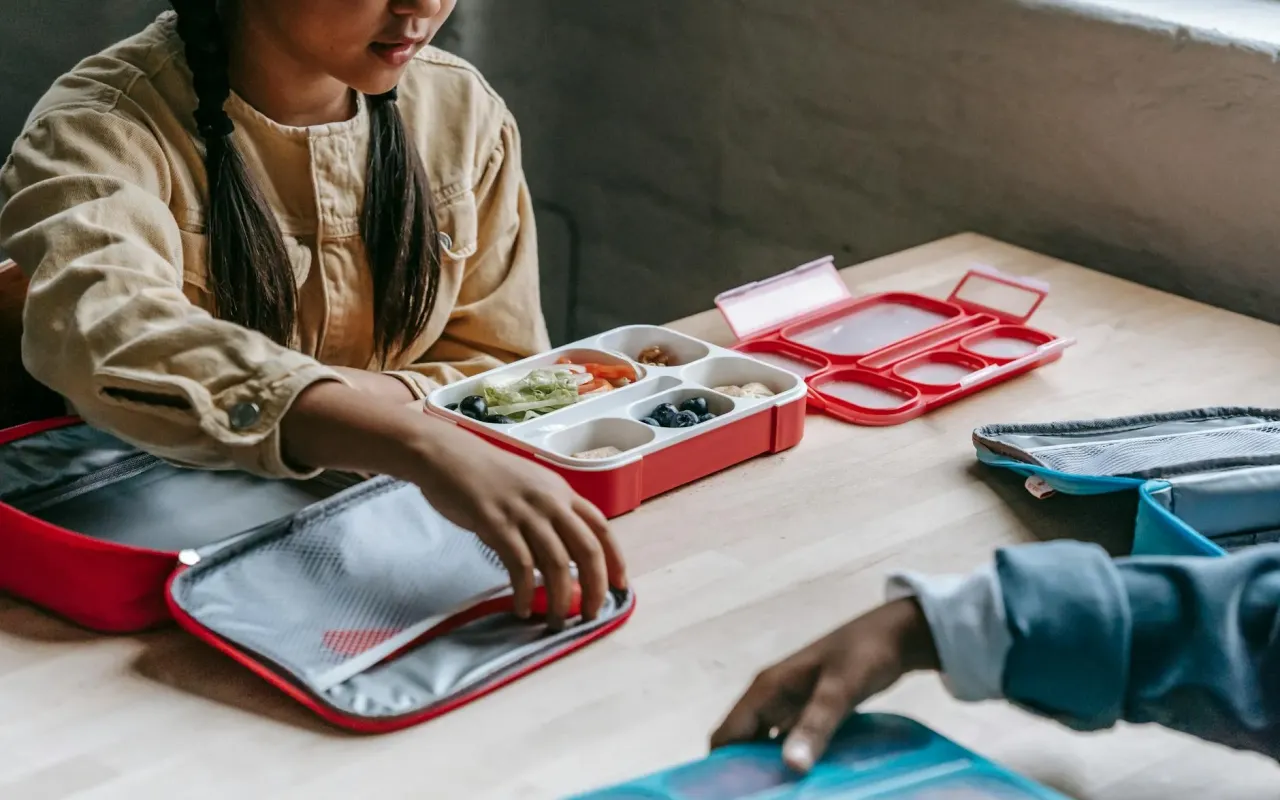
Practical tip: Use a bento-style lunchbox with separate compartments. Fill one with protein (diced chicken, hard-boiled egg, or cheese), one with a carb (crackers, pita chips, or roasted chickpeas), and one with a fruit they already like. No mixing required. This method works because it removes the "ick factor" of unexpected textures while still providing balanced nutrition.
Real Example: The DIY Taco Lunch
Pack small tortillas (cut into triangles), seasoned ground beef or black beans, shredded cheese, and a mild salsa. Your child builds each bite from scratch. It's fun, interactive, and they control exactly what goes in. Plus, it's a great way to introduce new proteins without the pressure of a full dish.
Three "Safe" Foods That Count as Real Nutrition
Many parents worry that picky eaters only eat "junk" like crackers and fruit pouches. But with a few strategic swaps, those safe foods can become surprisingly nutritious. The key is to start with what they already accept and upgrade it gradually, not suddenly.
1. Yogurt tubes or pouches. Instead of sugary dessert yogurts, choose plain Greek yogurt tubes. They have 15-20 grams of protein per serving and can be frozen overnight—they'll thaw by lunch and act as an ice pack. Add a tiny drizzle of honey if your child needs sweetness. One parent I worked with went from "I hate yogurt" to "can I have the pink one?" in two weeks by slowly mixing plain with flavored.
2. "Snack" vegetables. Most kids won't eat a whole carrot stick. But they will eat "crunchy sticks" if you call them fries. Cut bell peppers, cucumbers, and carrots into thin fry shapes. Pair with a small container of ranch or hummus for dipping. A 2021 survey by the Produce for Better Health Foundation found that 68% of kids who refused raw vegetables ate them when served with a familiar dip.
3. Protein-packed muffins. You can hide a surprising amount of nutrition in a muffin without changing the taste. Grate zucchini or carrots into the batter—they'll disappear during baking. Add a scoop of unflavored protein powder or a tablespoon of flaxseed. One muffin can have 8-10 grams of protein, plus fiber. Bake a batch on Sunday, freeze them, and pop one in the lunchbox each morning.
The One-New-Food Rule (And Why It Works)
Here's a mistake I see all the time: parents try to overhaul the entire lunchbox in one day. They replace the white bread with whole wheat, swap the apple slices for a kiwi, and add a new vegetable. The result? The child feels overwhelmed and rejects everything. Then the parent feels defeated and goes back to the old menu.
Instead, use the "one-new-food rule." Each lunchbox should have at least two items your child already loves, plus one new item. The familiar foods provide comfort and security, while the new food is low-pressure. They don't have to eat it—they just have to see it. Research from the University of Michigan shows that it takes 10-15 exposures to a new food before a child accepts it. That's normal, not failure.
Practical tip: Start with a "bridge food." If your child likes applesauce, try a different fruit puree like pear or peach. If they like cheese sticks, try a different cheese like mozzarella balls or cheddar cubes. The new food should be similar in texture and taste to something they already accept. After 5-6 exposures, you can slowly increase the variety.
What to Do When They Refuse the New Food
Don't force it. Don't bargain ("eat one bite and you can have dessert"). Just say, "That's okay, maybe next time." Then pack it again the following week. The goal is exposure, not consumption. Over time, the unfamiliar becomes familiar, and eventually, they'll try it on their own terms. I've seen this work with dozens of families—patience is the secret ingredient.
How to Make Sandwiches That Don't Get Ignored
The classic sandwich is a lunchbox staple, but for picky eaters, it's often the first thing left behind. Why? Because bread gets soggy, fillings slide out, and the whole thing can feel like a wet, messy blob by noon. The fix is simple: change the vessel or change the prep.
Option 1: The "sandwich on a stick." Skewer cubes of bread, cheese, and lunch meat onto a toothpick or small skewer. It's visually fun, easy to eat, and doesn't get soggy. Kids love the interactive element. You can even add a cherry tomato or cucumber slice for color.
Option 2: The "inside-out" sandwich. Roll lunch meat around a cheese stick or spread cream cheese on a tortilla, then roll it up and slice into pinwheels. These hold up better than bread and are less messy. A 2022 survey by the International Food Information Council found that 62% of kids preferred rolled or pinwheel sandwiches over traditional ones.
Option 3: The "no bread" option. Use lettuce leaves, rice cakes, or even apple slices as the "bread." A rice cake with peanut butter and banana slices is crunchy, sweet, and protein-packed. It's also naturally gluten-free if that's a concern. The key is to match the texture to what your child already enjoys.
Turning Leftovers Into Lunchbox Gold
You don't have to reinvent the wheel every morning. Some of the best lunchbox ideas come from last night's dinner. The trick is to repackage them in a way that feels fresh and appealing, not like a sad reheated meal. A thermos is your best friend here—it keeps food hot (or cold) for hours.
Thermos-friendly ideas: Leftover pasta with a simple tomato sauce (add hidden veggie puree), chicken and rice, soup with alphabet noodles, or even breakfast for lunch like scrambled eggs and sausage. One mom I coached packs leftover taco meat with a side of tortilla chips and cheese—her son calls it "nachos" and devours it.
Cold leftovers that work: Cold pizza (yes, really), chicken salad with crackers, or a "lunchable" style box with leftover roasted chicken, cheese cubes, and grapes. The key is to keep components separate so they don't get soggy. Use silicone muffin cups to divide sections in a simple container.
Practical tip: Involve your child in the "leftover transformation." Ask, "Should we have taco Tuesday again tomorrow for lunch, or should we make it into a taco salad?" Giving them a choice (even a limited one) increases buy-in. Studies show that kids who help plan meals are 40% more likely to eat them.
When All Else Fails: The "Bare Minimum" Lunch
Some days, your child will refuse everything. The lunchbox comes home untouched, and you feel like a failure. On those days, remember that fed is best. A "bare minimum" lunch—one that provides calories and some nutrition—is infinitely better than no lunch at all.
What does that look like? A cheese stick, a fruit pouch, a handful of crackers, and a small container of milk or yogurt. That's about 400-500 calories, 15-20 grams of protein, and some vitamins. It's not gourmet, but it's survival. And survival is okay.
Pickiness is a phase, not a life sentence. Most kids grow out of it by age 7 or 8, and the ones who don't often have sensory sensitivities that require professional support. But in the meantime, your job isn't to force-feed—it's to provide opportunities. You pack the lunch. You offer variety. You stay calm. And you trust that your child will eat when they're hungry.
Final thought: The lunchbox is a small battlefield, but you're not fighting alone. Every parent of a picky eater has been where you are. Take a deep breath, try one of these ideas tomorrow, and remember: tomorrow is a new lunch.