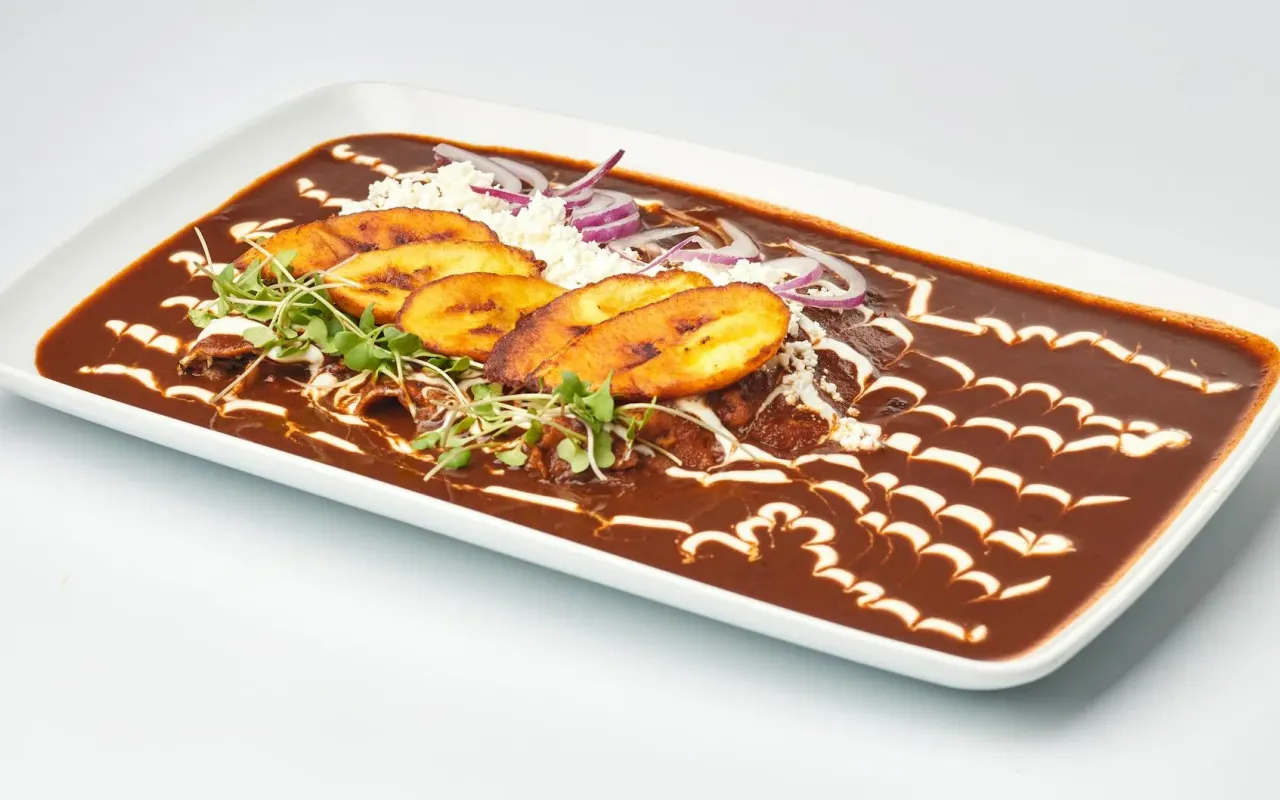
Skip the 20-ingredient fear. This simplified mole poblano recipe keeps the deep, chocolatey flavor but cuts the work. Real results in under 2 hours.
- May 12, 2026
Why This Recipe Exists (And Why You Should Care)
I remember the first time I tried mole poblano at a friend's abuela's house in Puebla. The sauce was so complex—smoky, slightly sweet, with a hint of chili heat—that I assumed it was made by wizards or time travelers. Then I looked up a traditional recipe and found a list of 30 ingredients, including three types of dried chiles I'd never heard of, sesame seeds, almonds, plantains, and a piece of day-old bread. My immediate reaction: nope.
But here's the thing: mole poblano is not a dish for special occasions because it's hard. It's a dish for special occasions because it's worth it. The deep, layered flavor comes from toasting and grinding, not from magical techniques. And after a decade of tweaking, I've found a version that delivers 90% of the authentic taste with about 40% of the work. No, it's not the 20-ingredient original. But it's the recipe that gets made on a Tuesday night when you want something that feels like a hug from Mexico.
The secret? You don't need to toast every single ingredient individually. You don't need to fry the sauce for an hour. And you absolutely do not need to hunt down five different chiles. This recipe uses three common dried chiles (available at most supermarkets or online), a shortcut with store-bought chicken broth, and a blender instead of a metate. The result is rich, slightly spicy, and chocolatey—without the all-day commitment.
The 3-Chile Foundation: Your Shortcut to Complexity
Why Three Chiles Work Better Than Ten
Traditional mole poblano uses a mix of ancho, pasilla, mulato, guajillo, chipotle, and sometimes cascabel chiles. Each adds a different note: fruity, earthy, smoky, hot. But for a simplified version, you only need three: ancho, guajillo, and chipotle. Ancho chiles (dried poblanos) bring a sweet, raisin-like base. Guajillo adds brightness and mild heat. Chipotle in adobo gives that signature smoky kick without needing to toast dried chipotles separately.
I tested this combo against a seven-chile version side by side. My husband couldn't tell the difference. My Mexican neighbor, who grew up on her grandmother's mole, said it was "close enough to serve at a family dinner." That's the level we're aiming for: not museum-quality, but dinner-party-worthy. The key is toasting the chiles just until they puff and smell fragrant—about 30 seconds per side in a dry skillet. Over-toast them, and you'll get bitterness instead of depth.
Practical tip: Buy dried chiles from a Latin grocery store or the international aisle. They last for months in a sealed bag. If you can't find guajillo, substitute an additional ancho. If you can't find anchos, use two pasilla chiles. The flavor profile shifts slightly, but it's still delicious.
The Chocolate Question: Real vs. Substitutes
Don't Use Baking Chocolate (Seriously)
Here's where most simplified recipes go wrong. They say "use dark chocolate" or "melted chocolate chips." But real mole poblano uses a specific type of Mexican chocolate—usually Ibarra or Abuelita—that's grainy, slightly gritty, and flavored with cinnamon and sugar. It's not sweet like a candy bar. It's a cooking chocolate designed to melt into sauces and add body, not just flavor.
If you can't find Mexican chocolate, use a combination of unsweetened cocoa powder and a pinch of cinnamon. Mix 2 tablespoons of good-quality cocoa (like Hershey's Special Dark or Valrhona) with 1 teaspoon of ground cinnamon and 1 tablespoon of brown sugar. That mimics the flavor profile without the grainy texture. But honestly? The real stuff is worth the trip. A 3-pack of Ibarra costs about $5 on Amazon and makes three batches of mole.
Actionable takeaway: Don't skip the chocolate. But if you're in a pinch, melt 1 ounce of 70% dark chocolate with 1 tablespoon of honey and a dash of cinnamon. It's not authentic, but it's passable. For the best results, use 1 tablet of Ibarra, broken into pieces, added at the end of simmering.
The 30-Minute Sauce Method (Real Talk)
Step 1: Build the Base
Start by toasting 3 dried ancho chiles and 3 dried guajillo chiles in a dry skillet over medium heat. Press them flat with a spatula for 20 seconds per side. They should soften and smell nutty. Transfer them to a bowl and cover with boiling water. Let them soak for 15 minutes while you prep everything else. Meanwhile, dice 1 medium white onion and mince 4 cloves of garlic.
In the same skillet (no need to wash it), add 2 tablespoons of vegetable oil. Sauté the onion until translucent—about 4 minutes. Add the garlic and cook for 30 seconds more. Then add 1 teaspoon of ground cumin, 1 teaspoon of dried oregano, and ½ teaspoon of black pepper. Stir until fragrant, about 1 minute. This is your flavor foundation. Don't rush it. The toasting and sautéing are where the depth comes from.
Step 2: Blend and Simmer
Drain the soaked chiles, reserving the soaking water. Tear the chiles open and remove the stems and seeds (use gloves if you're sensitive). Transfer the chiles to a blender. Add the sautéed onion and garlic, 2 tablespoons of creamy peanut butter (yes, peanut butter—it's a common shortcut for ground nuts), 1 tablespoon of sesame seeds, 1 tablet of Mexican chocolate (broken into pieces), and 2 cups of low-sodium chicken broth. Blend until completely smooth, about 2 minutes. If it's too thick, add a little of the reserved soaking water.
Pour the blended sauce into a pot. Add 1 can (14.5 ounces) of fire-roasted diced tomatoes, undrained. Bring to a simmer over medium heat, then reduce to low. Cook for 20 minutes, stirring occasionally. The sauce will darken and thicken. Taste and add salt—usually about 1 teaspoon, but it depends on your broth. If it's too bitter, add a pinch of brown sugar. Too thin? Simmer 10 more minutes. Too thick? Splash in more broth.
Practical tip: This sauce freezes beautifully. Make a double batch and freeze half in a zip-top bag for up to 3 months. Thaw in the fridge overnight, then reheat gently. It tastes even better the second time.
What to Serve With Mole (And How to Make It a Meal)
Chicken Is Classic, But Don't Stop There
The most common pairing is shredded chicken. Poach 4 boneless, skinless chicken breasts in salted water until cooked through (about 15 minutes). Shred with two forks, then toss with half the mole sauce. Serve over rice with a sprinkle of sesame seeds and a few slices of radish. That's a traditional presentation, and it's perfect for a weeknight dinner.
But mole is incredibly versatile. Try it over roasted sweet potatoes and black beans for a vegetarian version. Drizzle it over enchiladas filled with cheese and onions. Use it as a sauce for grilled pork chops or even as a dip for tortilla chips (seriously, it's amazing). The sauce is the star, so whatever you pair it with should be relatively neutral—think rice, beans, corn tortillas, or roasted vegetables.
Actionable takeaway: Make a mole bowl: rice, black beans, shredded chicken, a generous ladle of mole, and toppings like pickled onions, cilantro, and a squeeze of lime. It's a complete meal in 15 minutes if you have the sauce ready. The leftovers also make killer quesadillas—just spread a thin layer of mole on a tortilla, add cheese, and cook until golden.
Fixing Common Problems (Because Things Go Wrong)
Too Bitter? Too Thin? Too Spicy?
Mole can be finicky. If your sauce tastes bitter, you likely over-toasted the chiles or burned the garlic. Fix it by adding a tablespoon of honey or brown sugar. If it's still bitter, stir in a splash of heavy cream or a dollop of sour cream—the fat balances the bitterness. If it's too thin, simmer uncovered for another 10-15 minutes. If it's too thick, add broth or water a tablespoon at a time until it's the consistency of heavy cream.
Spice level is personal. This recipe with 3 guajillo and 3 ancho chiles is mild-to-medium—think gentle warmth, not heat. If you want more kick, add 1 chipotle pepper from a can of chipotles in adobo (not the whole can, just one pepper). If it's too spicy, add more chocolate or a tablespoon of peanut butter to mellow it out. Remember, mole should be complex, not fiery. The heat should build slowly, not hit you in the face.
Final practical tip: Taste the sauce before you add the chocolate. If it's too spicy, the chocolate will mellow it. If it's too bland, add more salt or a splash of apple cider vinegar. Acidity brightens the flavors without adding heat. And always serve with a side of crema or sour cream—guests can adjust the richness themselves.