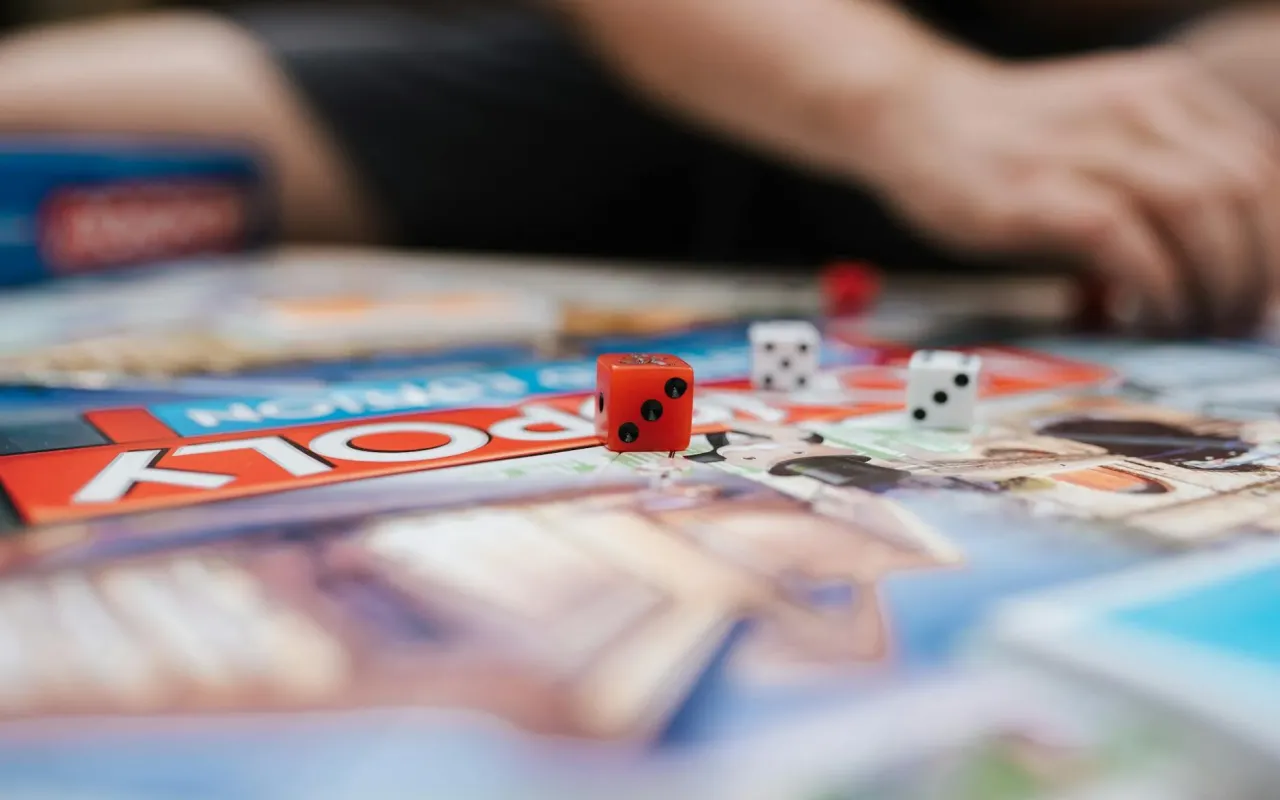
Tired of arguments over Monopoly? Discover the best family board games for all ages that create laughter, not fights. Real advice from a parent who tested them.
- May 10, 2026
Why Your Family Game Night Keeps Falling Apart (And How to Fix It)
You know the scene. You pull out Monopoly, excited for some quality time. Twenty minutes later, your eight-year-old is crying because they landed on Boardwalk with a hotel. Your teenager is on their phone, annoyed they have to pass Go for the sixth time. And you? You're wondering why you bothered.
This isn't your fault. Most classic board games were designed for competitive adults, not mixed-age families. The good news? There's a whole world of modern board games built specifically for getting everyone from age six to sixty laughing together. I tested over thirty games with my own family and friends to find the ones that actually work.
The secret isn't finding a game that's "easy enough for kids" or "fun enough for adults." It's finding games where everyone has a real shot at winning, regardless of age or experience. Let me show you which ones deliver.
The One Rule That Changes Everything: Cooperative Games
If you've ever watched a game of Candy Land drag on while your five-year-old loses interest, you understand the problem with turn-based competition. Kids get bored waiting. Adults get frustrated with random luck. The solution? Play together against the game.
Cooperative games like Forbidden Island or Castle Panic turn your family into a team. Everyone works toward a shared goal—escaping a sinking island or defending a castle from monsters. There's no "winner" and "loser." You all win together, or you lose together, which somehow makes losing fun.
I watched my six-year-old niece and her forty-year-old uncle high-five after they saved the last treasure from Forbidden Island. That doesn't happen in Monopoly. The cooperative format also teaches kids real problem-solving and communication skills. They learn to ask for help, share ideas, and celebrate collective success.
Actionable tip: Start with Forbidden Island (ages 8+, 30 minutes per game). It's cheap, easy to learn, and the theme of escaping a sinking island hooks everyone immediately. You can explain the rules in under two minutes.
When Cooperative Games Feel Too Easy
Some families find pure cooperative games lack the thrill of competition. That's fair. If your kids are older (10+) and enjoy a bit of tension, look for semi-cooperative games like Dead of Winter or Betrayal at House on the Hill. In these, players work together for most of the game, then one person secretly becomes a traitor. The reveal is genuinely exciting.
Just know that semi-cooperative games require more emotional maturity. Younger kids might struggle with the sudden betrayal. Save these for when your youngest is at least ten and can handle the twist without taking it personally.
Dexterity Games: The Great Equalizer for Ages 5 to 50
Nothing levels the playing field like a game that relies on physical skill instead of reading or strategy. A five-year-old can beat a PhD in a dexterity game because it's about hand-eye coordination, not logic. This is where the magic happens.
Jenga is the obvious classic, but modern dexterity games are far more creative. Rhino Hero has you building a wobbly skyscraper with cards. Animal Upon Animal asks players to stack wooden animals on a crocodile. Ice Cool turns your dining table into a penguin-themed marble race.
I brought Rhino Hero to a family reunion with cousins ranging from four to forty-five. Within ten minutes, the four-year-old was building towers that made the adults gasp. The game's physical nature means everyone stays engaged because you're watching the tower wobble, not waiting for someone to finish their turn.
Actionable tip: Buy Rhino Hero (ages 5+, 15 minutes per game). It's under $20, fits in a bag, and creates instant laughter. The rules are so simple you can teach them while setting up. Plus, the tower collapses are genuinely hilarious for all ages.
What About Video Game Kids?
If your teenager is glued to a screen, dexterity games are your secret weapon. They offer the same quick reflexes and physical engagement as video games, but in real life. Click Clack Lumberjack requires players to tap plastic logs out of a tree without making it fall. It's fast, loud, and surprisingly addictive. My nephew, who swore board games were "boring," played five rounds straight.
Word and Storytelling Games That Make Everyone Feel Smart
Not every family has a competitive streak. Some of the best family memories come from games that spark conversation and creativity. Word and storytelling games let everyone contribute without the pressure of winning or losing.
Dixit is the gold standard here. Each player takes turns being the "storyteller," describing a whimsical card with a word or phrase. Everyone else picks a card from their hand that matches the description. Points go to whoever guesses the storyteller's card—or fools others into picking theirs. The art is surreal and beautiful, sparking conversations about what you see.
I've seen my quiet, introverted daughter become the most creative storyteller in Dixit. She'll describe a card as "the feeling of rain on a summer afternoon," and everyone nods. The game doesn't punish shyness; it rewards imagination. Adults love it because it's a break from screens. Kids love it because they can be as silly or poetic as they want.
Actionable tip: Get Dixit (ages 8+, 30 minutes per game). The base game supports up to six players, and expansions add more cards. It's the kind of game that becomes a family tradition because every round is different.
For Younger Kids: Story Cubes
If your youngest isn't reading yet, try Rory's Story Cubes (ages 3+). Roll the dice, which have pictures like a key, a star, or a dragon, and create a story together. There's no scoring, no turns, just collective imagination. It's perfect for winding down before bed or keeping kids entertained during a long car ride.
Strategy Games That Grow With Your Kids
Every parent wants a game that challenges their teenager without boring the younger sibling. The trick is finding games with variable difficulty or asymmetric roles—where each player has different abilities but equal chances to win.
Ticket to Ride is the gateway strategy game for families. Players collect colored train cards to claim railway routes across a map. The rules are simple enough for a seven-year-old to grasp: collect cards, place trains, connect cities. But the strategy—blocking opponents, planning efficient routes—keeps adults engaged. I've played it with my nine-year-old son, and he's beaten me twice because he focused on shorter routes while I overcomplicated my plan.
Another excellent choice is Kingdomino (ages 8+). It's a tile-laying game where you build your own kingdom. Each round, you pick a domino-shaped tile and add it to your grid, trying to match terrain types. The game takes fifteen minutes, but the replay value is enormous because every game creates a unique kingdom. Kids love the tactile tiles; adults love the spatial puzzle.
Actionable tip: Start with Ticket to Ride (ages 8+, 45 minutes per game). It's the most recommended family strategy game for a reason. The North America map is perfect for beginners. Once your family gets comfortable, buy the Europe map for new challenges.
When Kids Want More Complexity
As your kids hit their teens, they'll crave deeper strategy. Wingspan (ages 10+) is a beautiful game about bird collecting that teaches ecology and resource management. It's not cheap, but the components are stunning, and the gameplay is surprisingly deep. My fourteen-year-old nephew loves it because he can research birds between turns.
Party Games for Big Families and Gatherings
When you have grandparents, cousins, and neighbors over, you need games that handle six to ten players without dragging. Party games are designed for chaos, laughter, and short attention spans. The best ones get everyone talking and moving.
Telestrations is the modern version of the telephone game. Each player draws a word, passes their sketchbook, and the next person guesses what it is. Then they draw the guess, and so on. The results are hilarious. I've seen my mother-in-law draw a "unicorn" that looked like a potato, and my kids couldn't stop laughing. The game requires no special skills—just a willingness to be silly.
For something more active, Hedbanz (ages 7+) puts a card on everyone's forehead without them seeing it. You ask yes-or-no questions to figure out what you are. "Am I an animal?" "Am I alive?" It's fast, loud, and perfect for mixed ages because younger kids can ask simple questions while older players use more complex logic.
Actionable tip: Keep Telestrations in your game closet for holidays and birthdays. It's the rare party game that works for ages eight to eighty. The dry-erase boards mean you can play infinite rounds without buying new components.
What to Avoid in Party Games
Steer clear of games that require pop culture knowledge or reading speed. Apples to Apples and Cards Against Humanity (even the family edition) rely on knowing cultural references that kids or grandparents might miss. Stick to games where the humor comes from shared experience, not inside jokes.
How to Make Game Night Actually Happen (Without Nagging)
You have the games. Now you need the habit. The biggest mistake parents make is treating game night like a special event that requires perfect planning. It doesn't. Here's how to make it stick.
First, lower the bar. Don't aim for a two-hour epic. Aim for twenty minutes. Set a timer. When the timer goes off, anyone can leave. This removes the pressure. I started with ten-minute games of Rhino Hero after dinner. Within a month, my kids were asking to play longer.
Second, let kids choose. Give each family member a turn picking the game. Even if your five-year-old picks Candy Land for the hundredth time, let them. The point isn't the game; it's the time together. You can subtly suggest a new game by saying, "I found one that might be even more fun—want to try it next time?"
Third, banish phones. This is non-negotiable. Create a basket or a designated spot where everyone puts their phone before starting. Yes, even you. If your teenager complains, explain that game night is a phone-free zone for everyone. Lead by example.
Actionable tip: Schedule game night on the same day each week. Tuesday after dinner. Sunday afternoon. Consistency builds anticipation. My family does "Friday Night Games" with pizza. It's now our most looked-forward-to ritual.
Your Next Move: Start Small, Play Often
You don't need a closet full of games to transform your family time. You need one or two games that fit your family's personality. Start with a cooperative game like Forbidden Island or a dexterity game like Rhino Hero. Play it three times. If everyone enjoys it, expand.
The real win isn't the game itself. It's the laughter, the conversations, and the memory of your six-year-old beating you at Jenga. These moments don't happen by accident. They happen when you choose a game that respects everyone's abilities and invites them to play together.
So pick one game from this list. Set a date. Put away the phones. And see what happens. I bet you'll be surprised.