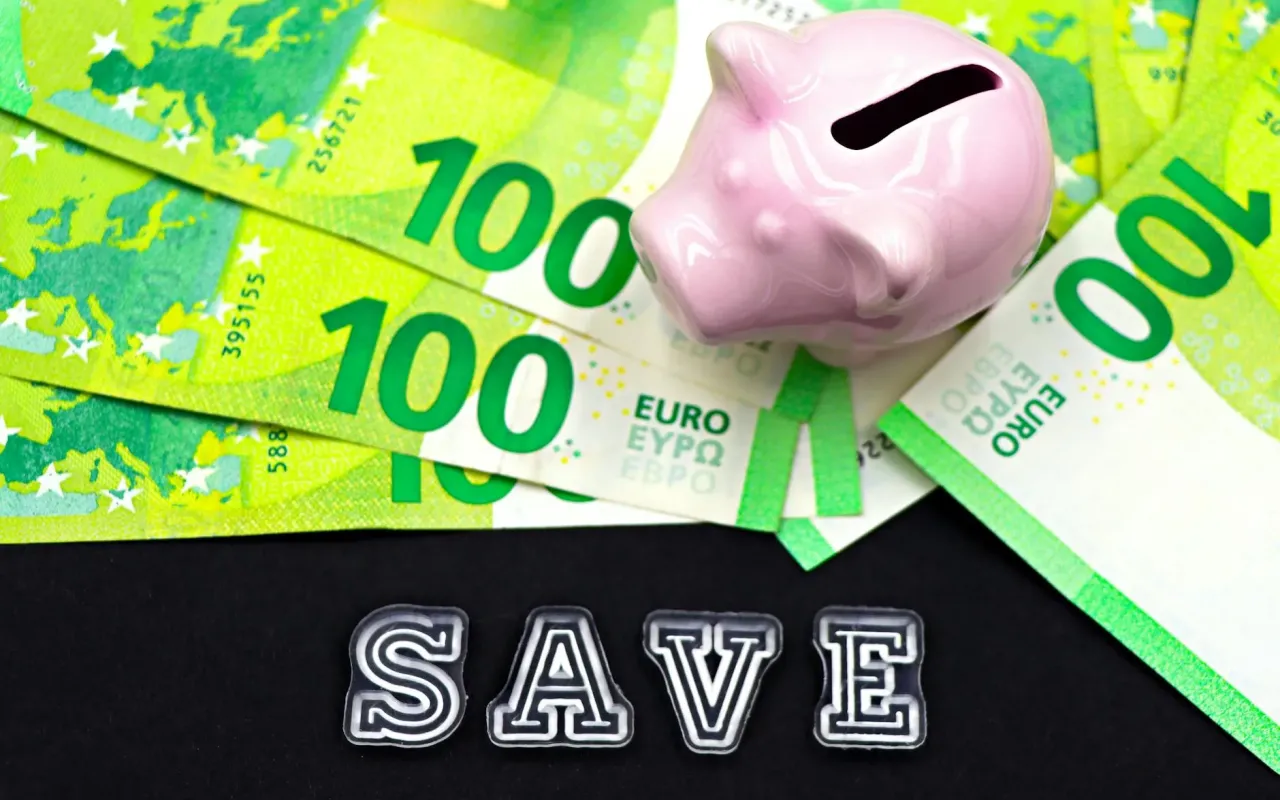
Real tips for traveling Europe cheaply. Skip the hostels, eat like a local, and find hidden deals without ruining your trip.
- May 3, 2026
You Don't Need a Trust Fund to Travel Europe
Let's be honest: scrolling through Instagram photos of friends sipping Aperol Spritzes in Rome while you're staring at a spreadsheet of bills can feel like a punch to the gut. But here's the thing most people get wrong—traveling Europe on a budget isn't about deprivation. It's about strategy.
I once spent two weeks in Portugal, Spain, and Italy for under $1,200, including flights and accommodation. No, I wasn't couch surfing with strangers or eating instant noodles. I ate fresh seafood in Lisbon, drank wine in Barcelona, and explored ancient ruins in Rome. The secret? I stopped treating travel like a luxury and started treating it like a puzzle.
The average American spends $3,000-$5,000 on a two-week European trip, according to a 2026 survey by travel booking site Kayak. But you can cut that number in half without feeling like you're missing out. The key is knowing where to bend the rules and where to stand firm.
Pick Your Battles: The Cities That Stretch Your Dollar Furthest
Eastern Europe Isn't Just Cheap—It's Underrated
Forget the idea that you have to choose between Paris and Prague. Eastern European cities like Krakow, Poland; Budapest, Hungary; and Bucharest, Romania offer incredible history, food, and nightlife at a fraction of the cost. A pint of beer in Krakow costs around $2.50, compared to $8 in London. A three-course meal in Budapest runs about $15 per person, while in Paris you're looking at $40 minimum.
I spent three days in Budapest and never felt like I was "roughing it." I stayed in a clean, centrally located Airbnb for $35 a night, ate goulash at a family-run restaurant for $8, and soaked in the famous thermal baths for $15. Compare that to $200+ per night in a similar Parisian neighborhood, and the choice becomes obvious.
Actionable tip: Use budget travel apps like Rome2Rio to compare train, bus, and flight prices between cities. Often, a two-hour bus ride between Budapest and Vienna costs $10, while a train is $50. The bus takes longer but saves you serious cash.
Southern Europe in Shoulder Season Is a Goldmine
Everyone flocks to Greece and Italy in July and August, when prices skyrocket and beaches are packed. But if you can shift your trip by just a few weeks—say, late September or early May—you'll find deals that feel like cheating. Flights to Athens drop by 40% in October, and hotel rates in Santorini fall by 50%.
I traveled to the Amalfi Coast in mid-September last year. Instead of paying $300 a night for a room with a partial sea view, I booked a charming apartment in a quieter town for $80 a night. The weather was still warm enough to swim, and the crowds were thin enough that I could actually enjoy the cliffside paths without elbowing tourists.
Actionable tip: Set price alerts on Google Flights for your target cities. If you're flexible on dates, you can snag round-trip tickets from the US to Europe for under $400 in the off-season.
Sleep Smart: Your Bed Doesn't Need to Cost a Fortune
Hostels Aren't Just for Backpackers Anymore
If you're picturing a dingy dorm room with bunk beds and a shared bathroom, you're thinking of hostels from 2005. Modern hostels in Europe have transformed into boutique social hubs. Chains like Generator and Safestay offer private rooms with en-suite bathrooms, coworking spaces, and rooftop bars—all for $50-$80 a night, depending on the city.
I stayed at a Generator hostel in Berlin last year. My private room cost $55 a night, included free Wi-Fi and a towel, and had a private bathroom. The common area had a bar, a pool table, and a communal kitchen where I cooked pasta one night to save money. Plus, I met a group of travelers who invited me to a free walking tour the next day.
Actionable tip: When booking hostels, filter for "private rooms" and read reviews about cleanliness and location. Sites like Hostelworld and Booking.com let you sort by price and rating.
House Sitting and Apartment Swaps Are Real—and Free
This is the budget travel hack that most people don't know about. Websites like TrustedHousesitters and HomeExchange allow you to stay in someone's home for free in exchange for watching their pets or swapping apartments. I've had friends house-sit in London for two weeks, paying nothing for accommodation while caring for a friendly cat.
The catch? You need to plan ahead and build a profile. But if you're flexible and willing to commit to a few weeks in one location, this can save you $1,000 or more on a trip. Plus, you get access to a kitchen, which means you can cook meals instead of eating out.
Actionable tip: Start building your profile on TrustedHousesitters at least three months before your trip. Offer to house-sit for friends or family first to get reviews.
Eat Like a Local, Not a Tourist
Street Food Is Your Best Friend
Tourist traps are designed to separate you from your money. The restaurant right next to the Eiffel Tower? You're paying for the view, not the food. Instead, walk two blocks away and find a boulangerie or a market. In Paris, a fresh baguette sandwich from a street vendor costs $5 and tastes better than a $25 sit-down meal.
In Istanbul, I ate simit (a sesame-covered bread ring) for $1 from a cart and grabbed a bowl of lentil soup for $3. In Barcelona, I hit up the Boqueria market for fresh jamón ibérico and cheese, spending $8 on a feast that would have cost $30 at a restaurant.
Actionable tip: Use the app "HappyCow" to find cheap, local eateries and markets near you. Avoid any restaurant that has a person standing outside trying to lure you in—that's a red flag for overpriced, mediocre food.
Cook One Meal a Day
You don't have to cook every meal, but preparing breakfast or dinner in your accommodation can save you a surprising amount. A box of pasta, a jar of sauce, and some vegetables cost about $5 at a local supermarket. That's two meals for the price of one coffee at a café.
I did this in Rome. My Airbnb had a small kitchen, so I bought fresh pasta, tomatoes, and basil from a local market for $6. I made a simple pasta dish that night, and the next morning I had leftover pasta with a fried egg for breakfast. That one cooking session saved me at least $30 compared to eating out.
Actionable tip: When booking accommodation, filter for "kitchen" or "kitchenette." Even a single hot plate and a mini-fridge can make a difference.
Move Around Without Breaking the Bank
Trains Aren't Always the Best Deal
Everyone romanticizes train travel in Europe, and sure, it's scenic. But high-speed trains between major cities like Paris to Amsterdam can cost $100+ if you book last minute. Budget airlines like Ryanair, EasyJet, and Wizz Air often offer flights for $20-$40 between cities, though you'll pay extra for baggage.
I flew from Barcelona to Milan for $25 on Ryanair. The flight was 90 minutes, and I packed only a carry-on to avoid fees. The train would have taken 8 hours and cost $120. The trade-off? I had to get to the airport early and deal with security, but saving $95 was worth it.
Actionable tip: Use Skyscanner's "everywhere" search feature. Enter your departure city and select "everywhere" as the destination to see the cheapest flights across Europe. You might discover a city you hadn't considered.
Overnight Buses and Trains Save You a Night's Accommodation
This is a classic budget trick: take a bus or train that departs late at night and arrives early in the morning. You sleep on the vehicle and wake up in a new city, effectively saving one night of hotel costs. Companies like FlixBus and Ouibus offer overnight routes across Europe for as little as $10-$20.
I took an overnight FlixBus from Prague to Vienna. The bus had reclining seats, free Wi-Fi, and a bathroom. I brought a neck pillow and an eye mask, slept for six hours, and arrived in Vienna at 7 AM. I spent the morning exploring the city before checking into my next hostel. The bus cost $12, and I saved $50 on accommodation that night.
Actionable tip: Always bring earplugs and a sleep mask for overnight travel. Some buses and trains have limited legroom, so book an aisle seat for more space.
Free and Nearly-Free Experiences That Beat Paid Attractions
Free Walking Tours Are a Goldmine
Almost every major European city offers free walking tours led by local guides. You tip what you think the tour was worth (usually $10-$20). These tours cover the main sights, history, and hidden gems, and they're a great way to orient yourself on your first day.
In Berlin, I took a free walking tour that lasted three hours. The guide was a history student who shared stories about the Berlin Wall that I never read in a guidebook. At the end, I tipped $15, which was far cheaper than a paid tour that would have cost $40.
Actionable tip: Search for "free walking tour [city name]" before you arrive. Many tours run rain or shine, and they often meet at a central square or landmark. Arrive early to avoid missing the group.
Museums and Attractions Have Free Days
Many museums in Europe offer free entry on specific days or times. The Louvre in Paris is free on the first Saturday of every month from 6 PM to 9:45 PM. The British Museum in London is always free, though special exhibits cost extra. In Rome, many churches are free to enter and contain priceless art.
I visited the Uffizi Gallery in Florence on a free Sunday (the first Sunday of the month). I waited in line for 45 minutes, but I saved $20 on entry. Inside, I saw Botticelli's "Birth of Venus" without the usual crowds.
Actionable tip: Before your trip, Google "[museum name] free admission days" and mark your calendar. Plan your itinerary around these dates to save money and avoid peak crowds.
The Art of Saying No to Overpriced Souvenirs
It's tempting to buy a "I Heart Paris" t-shirt or a miniature Eiffel Tower keychain, but those items are mass-produced and overpriced. Instead, collect memories that don't cost money: take photos, write in a journal, or collect free things like maps, ticket stubs, or postcards from the hotel lobby.
I once spent $50 on a hand-painted ceramic plate in Portugal. It's beautiful, but it sits in a cabinet and I rarely look at it. What I remember most about that trip is the sunset I watched from a cliff in Lagos, which cost nothing. The best souvenirs are the stories you tell, not the things you carry home.
Actionable tip: Set a souvenir budget before you travel—say, $20 per city. Only buy something if it's truly unique and meaningful, like a local artist's print or a handmade piece of jewelry. Otherwise, take a photo and move on.
Your Budget Trip Starts Now, Not Next Year
I've seen too many people wait for the "perfect time" to travel—when they have more money, more vacation days, or a better job. But that perfect time rarely comes. The reality is that you can travel Europe on a budget right now, with the money you have and the time you can take.
Start small. Pick one city, book a flight, and commit. You don't need to see ten countries in two weeks. You need to see one place deeply, cheaply, and joyfully. The rest will follow.
Final actionable tip: Open a separate savings account specifically for travel. Automate a small transfer—$25 a week—from your checking account. In one year, you'll have $1,300 ready for your trip. That's enough for a flight, a week of hostels, and plenty of street food.