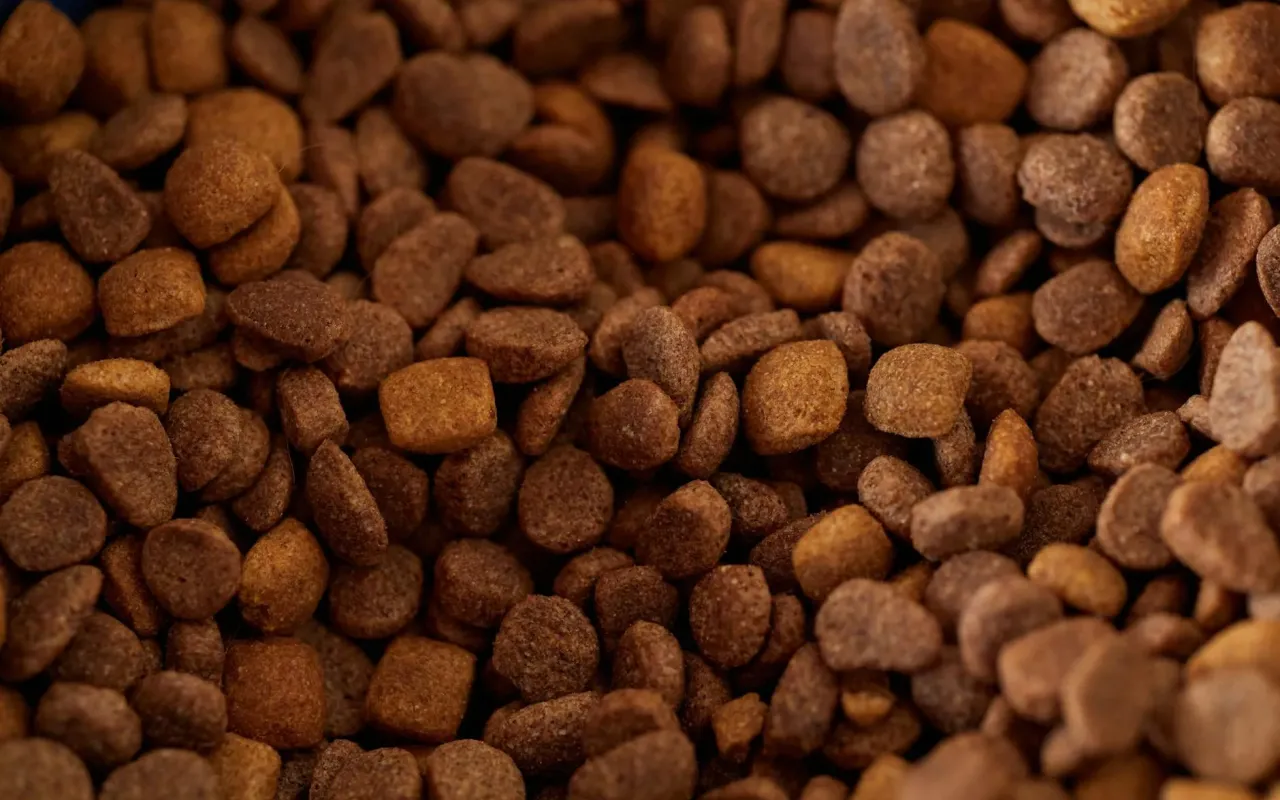
Stuck between raw food and kibble for your dog? We break down the real pros, cons, costs, and health impacts to help you choose without the hype.
- April 25, 2026
AceShowbiz - You're standing in the pet food aisle, staring at a bag of kibble that costs less than your morning latte. Then you scroll Instagram and see a Golden Retriever devouring a raw beef patty that looks better than your dinner. The guilt creeps in. Are you failing your dog by feeding them processed pellets? Or are raw feeders just falling for expensive marketing, risking their pet's health?
I've been there. After my own dog developed chronic ear infections and mysterious itching, I spent six months researching, talking to veterinarians, and even trying a raw diet for three weeks (spoiler: it was messy). What I found is that neither side is fully right or wrong. The real answer depends on your dog's specific health needs, your budget, and your tolerance for handling raw meat in your kitchen. Let's cut through the noise and look at what actually matters.
The Nutritional Reality: What Kibble and Raw Food Actually Deliver
Kibble is a marvel of modern food science—whether that's good or bad depends on who you ask. Most commercial kibbles are extruded at high temperatures, which kills bacteria but also destroys some natural enzymes and nutrients. To compensate, manufacturers spray synthetic vitamins and minerals onto the kibble after processing. The result is a nutritionally complete product that meets AAFCO standards, but it's far from what a wolf would eat in the wild.
Raw food advocates argue that dogs evolved to digest whole, unprocessed ingredients. A raw diet typically consists of muscle meat, organ meat, bones, and sometimes vegetables and fruits. The key difference is bioavailability—the concept that nutrients from whole foods are easier for your dog's body to absorb. For example, the vitamin A in raw liver is more readily used than the synthetic retinyl palmitate added to kibble. However, this advantage comes with a major catch: raw diets must be meticulously balanced to avoid deficiencies.
Here's the uncomfortable truth most raw food influencers won't tell you: a 2021 study published in the Journal of the American Veterinary Medical Association found that 60% of homemade raw diets were nutritionally unbalanced, with common deficiencies in calcium, zinc, and vitamin E. Kibble removes this guesswork entirely. Every single piece of kibble in the bag contains the exact same ratio of nutrients. For dogs with specific health conditions like kidney disease or pancreatitis, that consistency can be life-saving.
Practical tip: If you're considering raw, never wing it. Use a board-certified veterinary nutritionist's recipe or a commercially prepared raw food that states "complete and balanced" on the label. For kibble, look for brands that list a named protein source (like "chicken" not "poultry meal") as the first ingredient and avoid artificial colors or preservatives like BHA and BHT.
The Safety Debate: Bacterial Risks vs. Processing Risks
The Raw Side of the Coin
Let's address the elephant in the room—or rather, the Salmonella in the bowl. Raw meat can harbor harmful bacteria like Salmonella, E. coli, and Listeria. A 2019 FDA study tested raw pet foods and found that 15% contained Salmonella and 32% contained other pathogens. These bacteria don't just threaten your dog; they can spread to your family through contaminated surfaces, bowls, and even your dog's saliva after they eat.
But here's where it gets nuanced: dogs have shorter digestive tracts and stronger stomach acid than humans, which makes them more resistant to foodborne illness. Many raw feeders report that their dogs have never gotten sick from raw meat. However, the risk isn't zero, especially for puppies, senior dogs, or those with compromised immune systems. And if you have young children, elderly relatives, or anyone immunocompromised in your home, the risk of bacterial transmission is a serious consideration.
The Kibble Safety Track Record
Kibble has its own safety history, and it's not spotless. In 2022, there were multiple recalls for kibble contaminated with aflatoxins (a mold toxin) and elevated vitamin D levels that caused kidney damage in dogs. The high-heat processing kills most bacteria, but it doesn't eliminate chemical contaminants from raw ingredients. Plus, kibble's long shelf life requires preservatives, some of which have been linked to health concerns in long-term studies.
The real difference is accountability. Kibble manufacturers are regulated by the FDA and must meet strict safety standards. Raw food companies are less regulated, especially small-batch producers. If you choose raw, you're taking on more personal responsibility for food safety. That means washing bowls immediately, disinfecting surfaces, and storing meat at proper temperatures. It's doable, but it's not a set-it-and-forget-it approach.
Practical tip: If you feed raw, use stainless steel bowls (they're easier to sanitize than plastic or ceramic) and wash them in a dishwasher's sanitize cycle if possible. For kibble, rotate brands occasionally to reduce the risk of long-term exposure to any single contaminant.
Dental Health: The Unexpected Winner and Loser
This is where raw food advocates have their strongest argument. Kibble is often marketed as benefiting dental health because the crunching action scrapes plaque off teeth. But here's the reality check: most kibble pieces are small and brittle, so they shatter before they provide any meaningful abrasion. In fact, a study in the Journal of Veterinary Dentistry found that kibble-fed dogs had significantly more plaque and tartar buildup than dogs fed raw meaty bones.
Raw food, especially when it includes raw bones or meaty chunks, requires actual chewing. That mechanical action stimulates saliva production, which naturally cleans teeth, and the bones physically scrape away tartar. I've seen it firsthand—my dog's breath improved noticeably after just two weeks of raw bones, and her gums went from inflamed to pink. However, there's a catch: raw bones can crack teeth. I know a Labrador who needed a $1,200 root canal after crunching a weight-bearing bone from a cow.
Kibble's dental benefit is mostly a myth, but raw isn't risk-free either. The safest approach is to feed appropriately sized, raw meaty bones under supervision, or use dental chews that have the Veterinary Oral Health Council (VOHC) seal of approval. Some raw feeders also use ground bone in their recipes, which provides calcium without the fracture risk.
Practical tip: Regardless of diet, brush your dog's teeth at least three times a week with pet-safe toothpaste. A 2026 study showed that daily brushing reduces dental disease by 80%, regardless of what food you use.
Digestive Health and Stool Quality: What Your Dog's Poop Tells You
Here's a topic most articles gloss over, but it's the one that will tell you more than any marketing claim. Dogs on kibble typically produce larger, softer, and smellier stools. That's because kibble contains fillers like corn, wheat, and soy that your dog's body can't fully digest. These indigestible carbohydrates pass through the system, creating more waste volume and more gas. If your dog has a sensitive stomach, those fillers can trigger chronic diarrhea or vomiting.
Raw-fed dogs usually produce smaller, firmer, and less odorous stools. The reason is simple: raw food has higher digestibility, meaning more of what your dog eats is absorbed, and less comes out the other end. A 2020 study in the Journal of Animal Science found that raw meat diets had a digestibility rate of 87%, compared to 74% for kibble. That's a 13% difference in nutrient absorption, which translates to less waste and potentially better energy levels for your dog.
But raw doesn't automatically mean perfect digestion. Some dogs struggle with the high protein and fat content of raw diets, especially if they have pancreatic issues. I've seen dogs develop greasy, loose stools after switching to raw because their systems couldn't handle the sudden increase in fat. The transition needs to be gradual, over 7-10 days, mixing increasing amounts of raw with decreasing amounts of kibble. And if your dog has a history of pancreatitis, raw is likely not the right choice.
Practical tip: Monitor your dog's stool daily. Ideal stool should be dark brown, firm enough to pick up without leaving residue, and not overly smelly. If stools are consistently loose or very dry, adjust the diet or consult your vet.
Cost and Convenience: The Real World Trade-Offs
Let's talk money because this is where many well-intentioned pet parents hit a wall. A 50-pound bag of high-quality kibble costs around $60–$80 and lasts a medium-sized dog about two months. That works out to roughly $1–$1.50 per day. Raw food, even when you buy in bulk from a company like Darwin's or Stella & Chewy's, runs $4–$8 per day for the same size dog. Over a year, that's a difference of $1,000 to $2,500.
Time is another hidden cost. Feeding kibble takes 30 seconds: scoop, pour, done. Raw feeding requires thawing meat in the refrigerator (12-24 hours), portioning it out, washing bowls, and cleaning up. If you're making homemade raw, add in shopping for ingredients, grinding meat, and prepping freezer storage. I've timed it: raw feeding adds about 10-15 minutes per day to your routine. That doesn't sound like much, but over a year, it's 60-90 extra hours of work.
There's also the travel factor. Kibble is easy to pack for road trips, boarding, or daycare. Raw requires careful transport with coolers and ice packs, and many boarding facilities won't handle raw food due to liability concerns. If you travel frequently or have a busy schedule, raw feeding can become a logistical headache that outweighs the potential health benefits.
Practical tip: If budget is tight, don't feel guilty about feeding kibble. Instead, upgrade within your price range—look for kibble with named protein sources, no corn or soy, and added probiotics. If you want to try raw, start with just one meal per day to test the waters without committing to full-time raw feeding.
Making the Decision That's Right for Your Dog
After all the research and personal trial, I landed on a compromise that works for my household: I feed a high-quality kibble as the base diet, and I supplement with raw meaty bones twice a week for dental health and variety. It's not all-or-nothing. You can mix both approaches—feed kibble for convenience most days, and offer raw treats or meals when you have the time. Some dogs thrive on a mixed diet, getting the nutritional consistency of kibble with the enzymatic benefits of raw.
The most important factor is your individual dog's health. A 2022 survey by the American Pet Products Association found that 16% of dog owners feed raw, but only 5% of veterinarians recommend it. That doesn't mean vets are wrong—it means they see the worst-case scenarios: the dogs with pancreatitis from high-fat raw diets, the puppies with calcium-phosphorus imbalances from poorly formulated raw, the families exposed to Salmonella. A good vet will work with you regardless of your diet choice, as long as you're committed to doing it safely.
Before you switch, ask your vet to run a complete blood panel and check your dog's kidney and liver function. If those are normal, and you're willing to invest the time and money, raw can be a fantastic option. If your dog has any chronic health issues, stick with kibble or a veterinary-prescribed therapeutic diet. And if you're still unsure, start with a commercially prepared, complete and balanced raw food from a reputable brand—that removes the guesswork and reduces risk.