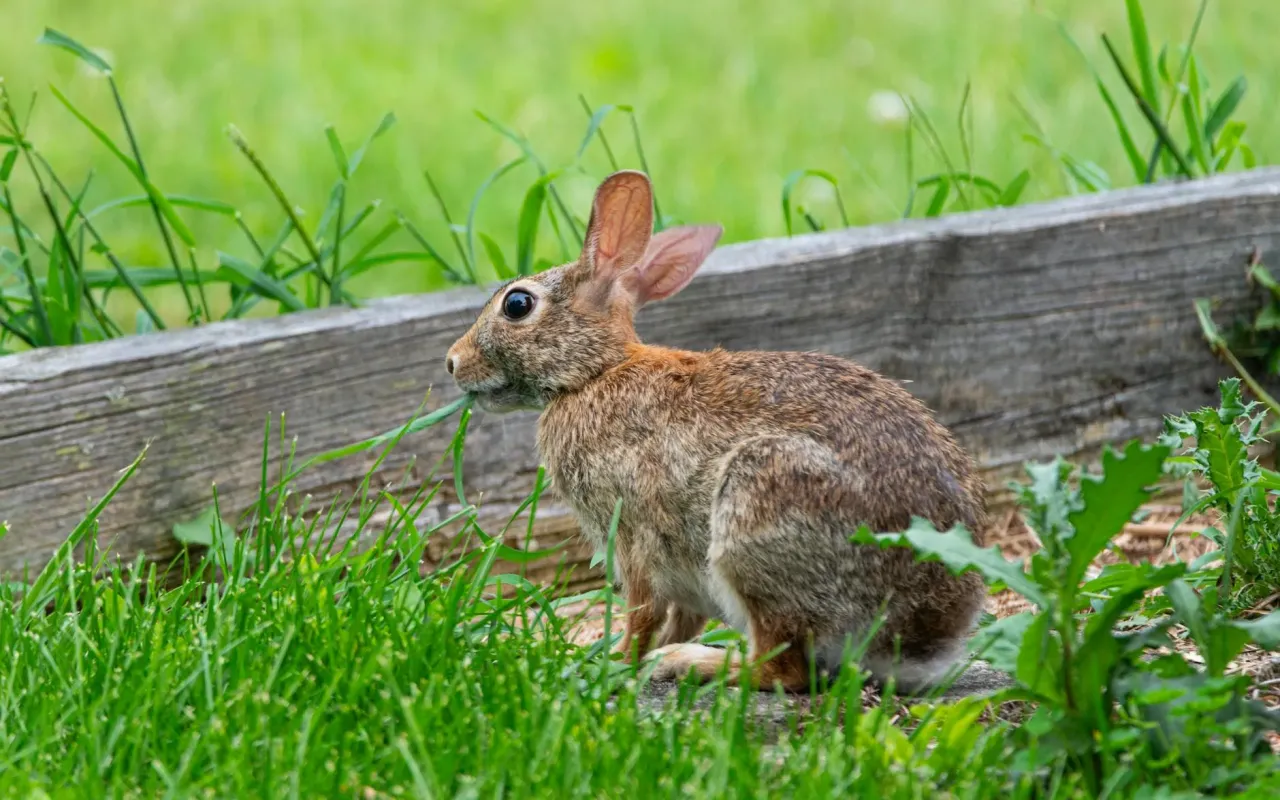
Discover practical, no-fluff steps to transform your outdoor space into a thriving habitat for birds, bees, and butterflies. Start small and make a real difference.
- April 16, 2026
AceShowbiz - Imagine stepping outside to the gentle hum of bees, the flash of a butterfly's wing, and the cheerful chatter of birds that actually stick around. This isn't a far-off nature preserve; it can be your backyard. With urban sprawl and manicured lawns fragmenting natural spaces, our private gardens have become critical refuges for local wildlife. The good news? You don't need a sprawling estate to make an impact. A few thoughtful changes can turn even a modest patio or yard into a vital lifeline for your local ecosystem.
Rethink the Perfect Lawn: The Foundation of Habitat
The quest for a flawless, emerald-green carpet of grass is one of the most ecologically damaging practices in modern landscaping. A monoculture lawn offers almost zero nutritional value or shelter for wildlife. It's a food desert and a barren wasteland rolled into one. By shifting our perspective from "control" to "collaboration," we can create a layered landscape that supports life from the soil up.
Start by reducing your lawn footprint. Designate areas for play or gathering, and let the rest evolve. Replace sections with native groundcovers, create a perennial border, or establish a meadow patch. Clover, for instance, is a fantastic lawn alternative; it stays green with less water, fixes nitrogen in the soil, and provides nectar for bees. The goal isn't total abandonment, but intentional diversification.
Actionable Tip: This fall, resist the urge to rake every last leaf into bags. Instead, move fallen leaves under shrubs, trees, or into a dedicated corner. This simple act creates crucial overwintering habitat for countless creatures, including butterfly pupae, beneficial insects like fireflies, and shelter for amphibians. The leaves will break down naturally, enriching your soil for free.
Why Native Plants Are Non-Negotiable
If you remember one thing from this article, let it be this: native plants are the cornerstone of a wildlife-friendly habitat. Local insects, particularly caterpillars, have evolved over millennia to eat the specific native plants they co-evolved with. A non-native ornamental like a Bradford Pear might be pretty, but it's essentially a plastic tree to most local caterpillars. And since 96% of terrestrial bird species feed their young insect larvae, especially caterpillars, no native plants means a severe food shortage for birds.
Research plants native to your specific region, not just your country. A plant native to Florida won't help a gardener in Oregon. Visit a local native plant nursery or use resources like the National Wildlife Federation's Native Plant Finder. Prioritize "keystone" species—plants that support an outsized number of caterpillar species. In many areas, native oaks, cherries, willows, and goldenrods are powerhouse supporters of the food web.
Provide the Essentials: Food, Water, Shelter
Wildlife needs the same basics we do: a safe place to live, something to eat and drink, and a spot to raise young. Your habitat plan should address all three in concert. A bird feeder is a nice supplement, but it's only one piece of the puzzle. True sustainability means creating a system where animals can find what they need naturally within your space.
For food, focus on year-round provision. Plant a sequence of native bloomers from early spring to late fall to support pollinators. Include plants that produce berries, nuts, or seeds for birds and small mammals. Leave seed heads on plants like coneflowers and sunflowers through the winter; they provide vital cold-weather food and beautiful structural interest in your garden.
Actionable Tip: Install a simple, safe water source. A bird bath is a great start, but ensure it's no more than 2-3 inches deep and has a rough or sloping texture for grip. Clean it every few days to prevent mosquito larvae and disease. For a bigger impact, add a small solar-powered fountain or a dripping feature; the sound of moving water is a powerful attractant for birds and other wildlife.
Building Shelter from the Ground Up
Shelter means protection from predators and harsh weather. It can be as simple as a brush pile in a back corner—just stack fallen branches, twigs, and logs. This messy heap is a five-star hotel for toads, lizards, chipmunks, and overwintering bees. Consider installing specific homes: a bee hotel for solitary native bees (placed in a sunny, south-facing spot), a bat box to help with mosquito control, or nesting boxes for birds like chickadees and bluebirds.
Resist the urge to "clean up" your garden aggressively in the fall. Standing dead stems and grasses are hibernation sites for native bees. A garden that looks a bit untidy in winter is often the most alive. Let nature's architecture stand until spring temperatures are consistently above 50°F.
Ditch the Chemicals: Cultivating a Balanced Ecosystem
Pesticides, herbicides, and synthetic fertilizers are the antithesis of a wildlife habitat. They don't discriminate; a spray for aphids will also kill the lacewings and ladybug larvae that are the natural predators of aphids. You end up in a toxic cycle of dependency, harming the very soil biology and insect life that creates a resilient garden.
Embrace Integrated Pest Management (IPM). This means monitoring your plants, tolerating a little damage, and using physical and biological controls first. Blast aphids off with a strong spray of water. Hand-pick larger pests. Encourage predators by providing habitat for birds, frogs, and beneficial insects. If you must intervene, use the least toxic option, like insecticidal soap or horticultural oil, and apply it precisely at dusk when pollinators are not active.
Actionable Tip: Build your soil health naturally. Start a compost pile with kitchen scraps and yard waste. The resulting compost is a superior, slow-release fertilizer that improves soil structure and water retention. Healthy soil grows resilient plants that are better able to withstand pest and disease pressure, breaking the need for chemical inputs entirely.
Think in Layers: From Canopy to Groundcover
Nature doesn't grow in flat beds. A healthy forest has distinct vertical layers: canopy, understory, shrub, herbaceous, and groundcover. Mimicking this structure in your yard, even on a small scale, dramatically increases the types of wildlife it can support. Each layer offers different types of food, nesting sites, and shelter.
If you have space, a native tree like an oak, maple, or serviceberry forms the canopy. Beneath it, plant smaller understory trees or large shrubs like dogwoods or viburnums. The shrub layer is followed by perennials and grasses, and finally, groundcovers like wild ginger or native strawberries. This dense, layered planting provides escape routes from predators, nesting sites for birds at different heights, and a variety of microclimates.
For smaller urban yards or balconies, you can still create layers. Use a tall planter with a small native tree or large shrub, mid-height planters with perennials, and hanging baskets or low containers with groundcover. A "green wall" with climbing native plants like coral honeysuckle is another fantastic space-saving option.
Welcoming Specific Guests: Birds, Bees, and Butterflies
Tailor parts of your habitat for specific visitors. For butterflies, you need both host plants for caterpillars to eat and nectar plants for adults. Monarchs need milkweed (the *only* host plant), while Black Swallowtails need plants like dill, fennel, or parsley. Plant nectar-rich flowers with flat tops or short tubes, like zinnias, phlox, and asters, for easy access.
For birds, provide dense, thorny shrubs (like native hawthorns or roses) for nesting safety. Include evergreen trees or shrubs for winter shelter. Remember, feeding birds is most critical in winter and early spring when natural food is scarce. For bees, ensure you have a sequence of blooms from early spring (willows, redbuds) to late fall (asters, goldenrod). Leave some bare, undisturbed soil patches for ground-nesting bees.
Start Small, Think Big: Your First Weekend Project
The scale of this transformation can feel overwhelming. Don't let it paralyze you. You don't need to overhaul your entire property in a weekend. The most successful habitats evolve over time. Choose one small, manageable project to build momentum and confidence.
Pick a sunny corner that's 10 feet by 10 feet. Remove the grass, amend the soil with compost, and plant a simple pollinator patch with three types of native plants: one for early bloom, one for mid-summer, and one for fall. Add a shallow water dish and a small brush pile. Observe what visits. This micro-habitat will teach you more than any article and become the seed for expanding your efforts next season.
Actionable Tip: Connect your habitat. If possible, work with your neighbors. A single wildlife-friendly yard is an oasis, but several connected yards become a corridor. Talk to them about reducing pesticides, planting natives, or even removing a fence panel to allow small creatures to pass through. Your collective impact can reshape the ecological fabric of your entire neighborhood.
Your backyard is a piece of the puzzle. By committing even a portion of it to nature, you're providing a critical stopover, a breeding ground, or a permanent home for creatures whose wild spaces are shrinking. You're not just gardening; you're stewarding a small piece of the planet, and the rewards—the song, the color, the life—will be yours to enjoy every single day.