Stop guessing which attachments you need. We compare the most popular options for home bakers and cooks, helping you invest wisely and expand your kitchen skills.
- April 13, 2026
Your Stand Mixer Is More Than a Dough Hook
You saved up, you chose the perfect color, and your gleaming stand mixer now holds a place of honor on your counter. But if you're only using it for cookies and bread, you're barely scratching the surface of its potential. The real magic—and the real confusion—begins when you open the catalog of shiny attachments promising to turn your mixer into a pasta maker, meat grinder, or vegetable slicer.
It's easy to feel overwhelmed. Should you buy the branded kit or a third-party alternative? Is the pasta roller a life-changing gadget or a dust collector? The truth is, not every attachment deserves a spot in your cabinet. The right ones, however, can genuinely transform how you cook, saving you money and unlocking a new level of culinary creativity. Let's move past the marketing and look at what these tools actually do in a real, sometimes messy, home kitchen.
The Core Set: What You Already Have (And How to Use It Better)
Every stand mixer comes with a trio of fundamental tools: the flat beater, the dough hook, and the wire whip. Before you spend another dime, mastering these is your first mission. The flat beater is your workhorse, designed for creaming butter and sugar to fluffy perfection for cakes or for mixing thick batters like brownies. Its broad, flat surface efficiently folds ingredients together.
The dough hook is a specialty tool, and using it correctly is key. It's not for thin batters. It's designed to mimic hand-kneading, developing gluten in bread dough through a gentle, persistent stretch and fold motion. For best results with yeast doughs, start on low speed to combine, then increase to medium-low for the knead. The wire whip is all about incorporating air. Use it for whipping egg whites to stiff peaks for meringues, whipping cream, or making light, airy genoise sponge cakes.
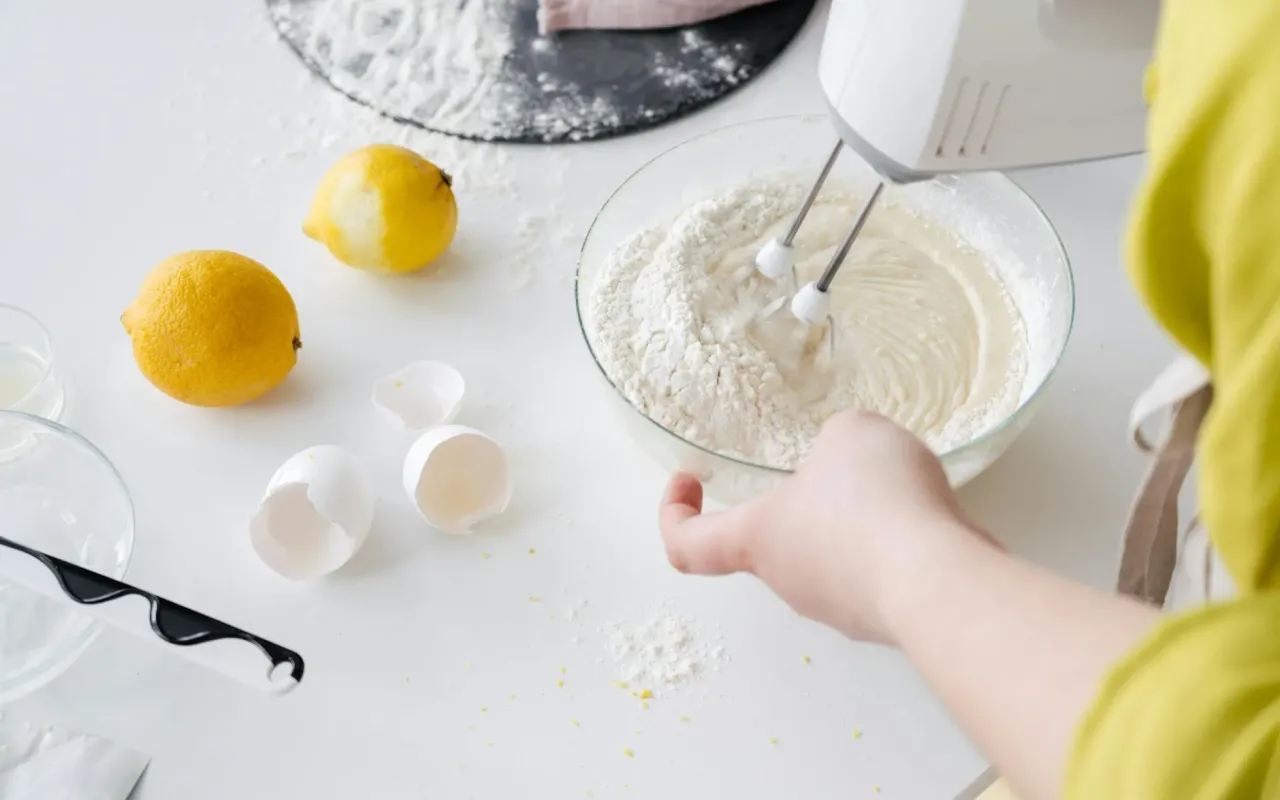
Practical Tip: To prevent flour clouds, always start mixing dry ingredients on the lowest "Stir" setting. Hold a folded kitchen towel over the top of the bowl for the first 10-15 seconds to contain the puff. This simple trick keeps your counter clean and ensures even incorporation.
When to Upgrade Your Core Attachments
You might consider aftermarket "flex edge" beaters, which have silicone scrapers built into the edge. These can be helpful for ensuring no batter is left unmixed against the bowl, but they aren't always necessary. Many mixers have a bowl-lift or tilt-head design that already positions the standard beater correctly. Test your mixer first—if you consistently have to stop and scrape, a flex edge might be a worthwhile $30 upgrade.
The Game-Changers: Attachments That Earn Their Keep
These are the attachments that truly expand your appliance's function, moving it from a baker's tool to a full culinary center. The pasta roller and cutter set is a prime example. Yes, it requires a learning curve and cleanup, but the payoff is immense. Fresh pasta has a texture and flavor dried boxed pasta can't match. You control the ingredients, making it ideal for egg-free, whole wheat, or spinach-infused doughs. The initial cost is offset by the relatively low price of flour and eggs versus premium fresh pasta.
The food grinder attachment is another powerhouse. It allows you to grind your own meat for burgers, meatloaf, or sausages. This means you can choose the cuts, control the fat content, and ensure there are no unwanted additives. You can also use it to make fresh breadcrumbs, grind vegetables for burgers, or create pâtés. For anyone interested in charcuterie or simply wanting higher-quality ground meat, this attachment is a revelation.
Practical Tip: When using the grinder, keep everything—the meat, the grinder parts, even the bowl—very cold. Partially freeze your meat for 30 minutes before grinding. This prevents the fat from smearing, resulting in a cleaner grind and better texture in your final cooked product.
The Vegetable Sheet Cutter & Spiralizer
This attachment is for the health-conscious cook or anyone looking to add vegetable variety. It can create uniform zucchini noodles ("zoodles"), ribbon-cut carrots for salads, or even thin potato sheets for elegant gratins. While a dedicated spiralizer is cheaper, this attachment stores compactly and uses your mixer's powerful motor, which can handle harder vegetables like sweet potatoes with ease.
The Specialty Stars: For Passion Projects and Hobbies
This category is for attachments that serve a very specific, often beloved, purpose. If the activity aligns with your culinary passions, they are worth every penny. If not, they will gather dust. The ice cream maker bowl attachment is a perfect case study. It requires planning (the bowl must freeze for 15+ hours), but it lets you create custom flavors you simply cannot buy—think honey lavender, bourbon pecan, or dairy-free coconut mango.
The grain mill attachment appeals to serious bread bakers and the health-obsessed. It allows you to buy whole grains like wheat berries, rye, or spelt and mill them into flour immediately before use. This preserves the oils and nutrients that begin to degrade in pre-milled flour, resulting in more flavorful and nutritious baked goods. It's a niche tool, but for the right person, it's indispensable.
Practical Tip: If you dabble in ice cream, start with a simple, no-cook Philadelphia-style base (cream, milk, sugar, vanilla) to learn the machine's timing. The mixture will thicken in the bowl in about 15-20 minutes. For a softer serve, eat immediately; for scoopable pints, transfer to a container and freeze for 4 more hours.
The Budget vs. Brand Debate: OEM vs. Third-Party
Once you've decided on an attachment type, you face another choice: buy the manufacturer's version (like KitchenAid's) or a less expensive third-party alternative. The main advantage of the branded attachment is guaranteed compatibility and design synergy. It's engineered specifically for your mixer's motor power and connection point (the "hub").
Third-party attachments, often found on Amazon or at kitchen outlets, can cost 30-50% less. The quality can be hit or miss. Some are excellent, manufactured in the same factories. Others use lighter-gauge metals or plastics that may wear faster or strain your mixer's motor. The most common issue is a poor fit on the hub, leading to wobble or disengagement during use.
Your decision should be risk-based. For a low-stakes, low-speed attachment like a pasta roller, a highly-rated third-party option can be a fantastic value. For a high-torque attachment like a grain mill or meat grinder that places significant demand on the motor, investing in the OEM (Original Equipment Manufacturer) version is often the safer, longer-lasting choice. Always, always read user reviews that specifically mention your mixer model.
Building Your Attachment Library: A Strategic Approach
Don't buy a whole set at once. That boxed kit might seem like a deal, but it likely contains items you'll never use. Instead, adopt a project-based purchasing strategy. Plan a specific meal or project that requires the attachment. Want to host a homemade pasta night? Buy the pasta roller. Planning to make gourmet burgers for a summer BBQ? Invest in the grinder.
This approach does two things. First, it ensures the attachment gets used immediately, helping you learn it. Second, it spreads out the cost. Consider these tools as long-term investments in your kitchen capability, not impulse buys. Store them with purpose: keep the parts and manuals together in a labeled bin or the original box so everything is at hand when inspiration strikes.
Practical Tip: Before any major attachment purchase, search for 2-3 recipes you're genuinely excited to make with it. If you can't find at least a few that make your mouth water, you're probably buying an idea, not a tool. The excitement for the recipes will carry you through the initial learning phase.
Your stand mixer is a powerful ally. By choosing its attachments thoughtfully—based on your actual cooking habits and dreams—you transform it from a single-task appliance into the true engine of your kitchen. Start with one game-changer that speaks to you, master it, and let that success guide your next culinary investment.