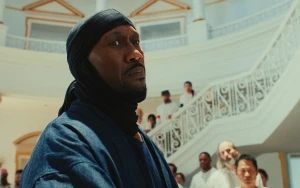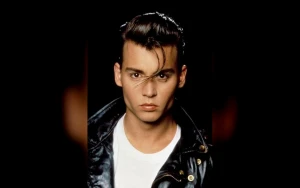
Person of Interest's brilliant sci-fi legacy seemed reborn on HBO, but its successor became a new cautionary tale about great TV's fragile fate.
- April 13, 2026
AceShowbiz - TV often follows a frustrating pattern: a show starts modestly, evolves into something exceptional, then gets canceled prematurely. This was the fate of one of the most underrated sci-fi series, Person of Interest. For five seasons, it cleverly masked itself as a routine procedural, but beneath the surface, it was crafting a masterful narrative about surveillance, technology, and unchecked power. By the time viewers recognized its intelligence and depth, the show was already off the air.
The story, however, did not end there. Shortly after Person of Interest ended, a seemingly perfect successor emerged, backed by the advantages of a prestige cable network: a generous budget, creative freedom, and a home that theoretically understood how to nurture ambitious storytelling. It appeared as if HBO had seen what CBS had discarded and aimed to do it right. For a time, this new series generated huge buzz and lived up to its promise. Yet, it soon became a cautionary tale of a show with every advantage that lost its way by trying to be too clever.
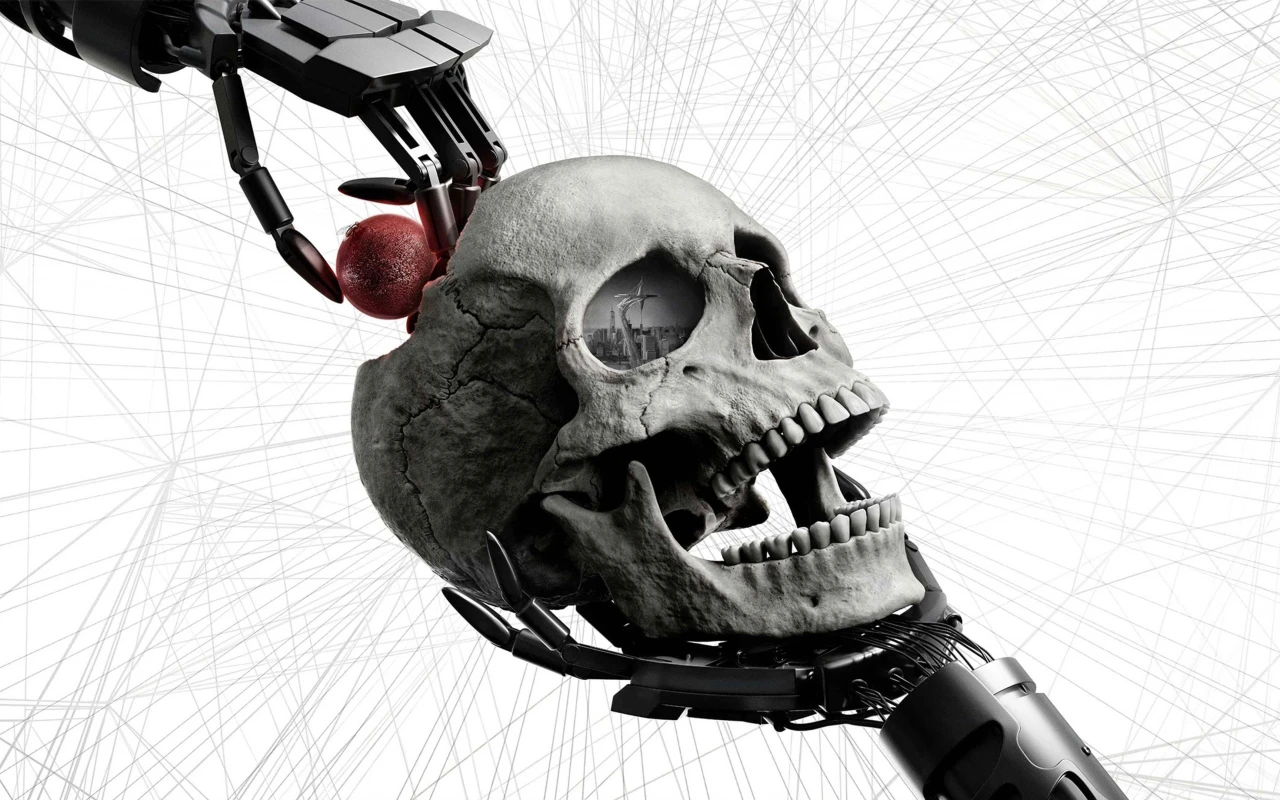
That successor was Westworld, which premiered on HBO in 2016. Created by Jonathan Nolan (who also co-created Person of Interest) and Lisa Joy, it boasted the signature HBO production quality. The show’s premise was perfectly timed for becoming an internet sensation: adapted from the 1973 film, it centered on a futuristic theme park where affluent guests indulge in Wild West fantasies with lifelike android hosts programmed to obey and endure endless cycles of suffering and reset. When some hosts begin to exhibit consciousness, memories, and rebellion, the narrative explores profound themes of free will, manipulation, and identity.
Westworld was, in many ways, the natural evolution of ideas Nolan had been exploring on CBS with Person of Interest. The latter debuted in 2011, appearing initially as a standard crime procedural about a billionaire, Harold Finch, who designs an AI that predicts crimes. Teaming with a former operative, he works covertly to prevent tragedies before they happen. But beneath this premise lay a deeper universe where the true menace was not criminals, but the omnipresent surveillance machine itself.
The brilliance of Person of Interest was its methodical storytelling. Each season carefully expanded its scope without feeling improvised. It began as a show about crime prevention and culminated in a Cold War–style struggle involving rival AIs, digital espionage, and government weaponization of technology. Character development was equally nuanced: Finch was more than a genius tech wizard, Reese more than a hardened enforcer, and Root and Shaw were far from mere side characters. They all carried emotional scars, contradictions, and moral dilemmas, ensuring the story remained grounded in humanity even as it grew in scale.
Unfortunately, CBS never fully grasped the show's potential. Even given ample time to conclude, it was removed from the schedule prematurely. Ironically, its themes only grew more relevant over time. Few series have aged as gracefully. This set the stage for HBO’s entry with Westworld: the same fascination with AI and surveillance, but free from network TV constraints.
HBO was poised to elevate the concept into a defining sci-fi epic. The first season delivered on that promise with high-concept storytelling, a rich atmosphere, and a stellar cast. For a while, it was compared to Game of Thrones in terms of cultural impact and audience speculation. Fans delighted in theorizing, debating, and dissecting its complex narrative puzzles. The DNA of Westworld was clearly linked to Person of Interest: paranoia about technology, fear of invisible control, and existential questions about what defines humanity still resonated strongly.
However, Westworld made a critical decision its predecessor never did: it began prioritizing mystery over coherent storytelling. While mystery can be engaging, it becomes problematic when it overshadows the narrative itself.
By the second season, signs of this issue were apparent. Instead of advancing the plot with clarity, the show seemed obsessed with confusion, as if clarity was a flaw. Timelines became convoluted, and plot twists appeared designed more to shock than to deepen the story. This frustrated many viewers who had grown invested. Moreover, when the show expanded beyond the park into the wider world, it lost its unique edge. The park had been a closed, brutal environment with rules that made sense and hosts trapped in repetitive loops. Outside, Westworld began to resemble any generic dystopian sci-fi dealing with corporations and social control.
Despite retaining strong visuals and interesting ideas, the show lost its distinct identity. It seemed to trade its original focus for scale, a move that alienated many fans. Particularly frustrating was the fact that it had all the tools to emulate Person of Interest’s natural balance of technological threat and human consequence, yet Westworld grew colder, with characters increasingly driven by plot necessities rather than emotional truth. Deaths, unexpected returns, and twists became routine, diluting the impact of the story. As the show continually reinvented itself, it lost the foundation that initially captivated viewers.
Complexity is a double-edged sword on television. Person of Interest used complexity to serve its story organically. Westworld, however, began to treat complexity as a tactic, almost a game of outsmarting the audience at every turn. This approach wearied viewers quickly; after all, audiences commit to multi-season shows expecting a meaningful journey, emotional growth, and satisfying resolutions—not perpetual puzzles with no clear payoff.
Eventually, these issues contributed to a significant ratings decline. Coupled with the show’s enormous budget and HBO’s shifting programming priorities, this led to Westworld being canceled. It’s a poignant contrast: Person of Interest started simply, grew steadily, and ended with a confident, powerful conclusion, while Westworld began ambitiously but got lost in its own complexity.
This contrast underscores an important lesson in television storytelling: greatness lies not in sheer scale, but in a clear understanding of the story being told. Person of Interest held that clarity throughout its run. Westworld appeared to chase it alongside its audience but often missed the mark. Sometimes, less truly is more.
Were you a fan of Westworld? Share your thoughts and join the discussion in the ComicBook Forum.