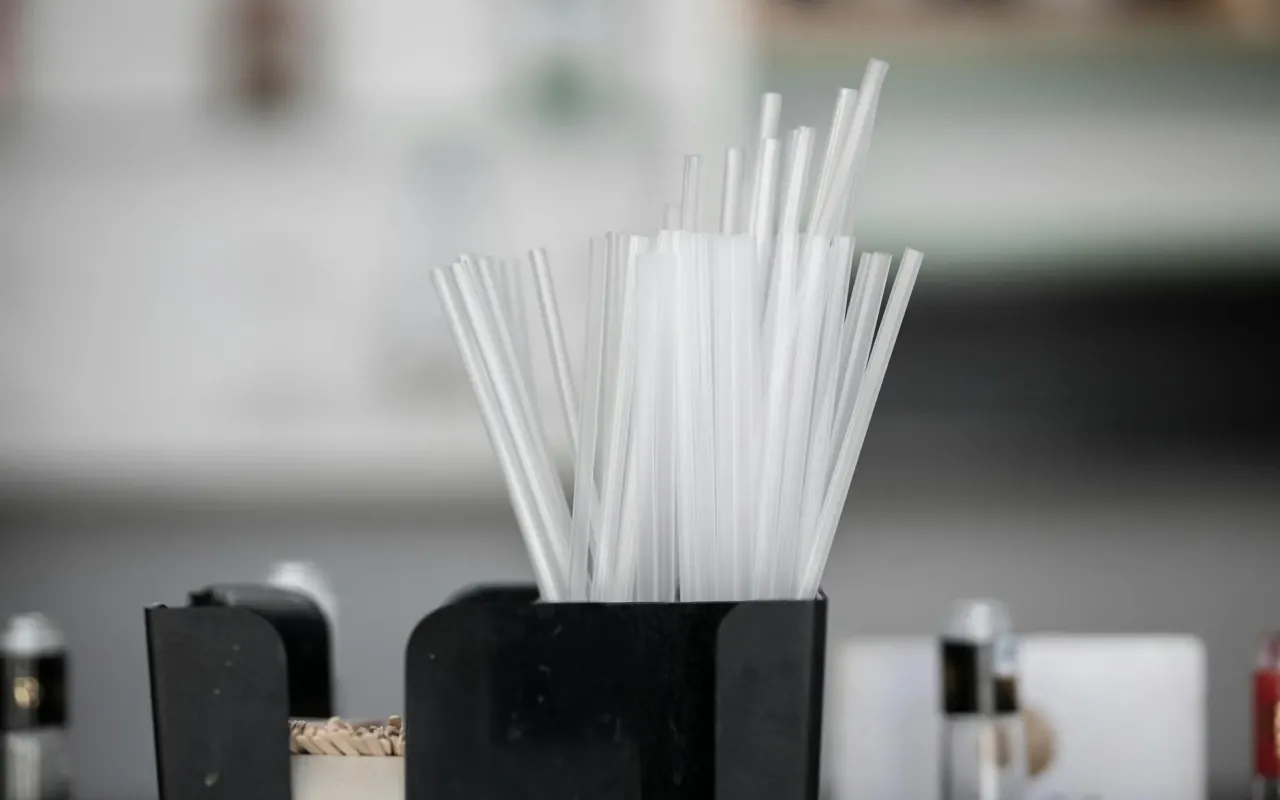
Tired of plastic waste? Discover simple, stylish swaps for kitchen, bathroom, and shopping that actually work and save you money.
- April 10, 2026
AceShowbiz - You know the feeling. You finish a roll of plastic cling wrap, toss a flimsy produce bag, or throw away another empty shampoo bottle, and a tiny wave of eco-guilt washes over you. You're not alone. Globally, we produce over 350 million metric tons of plastic waste annually, and a staggering amount of that is designed to be used once and thrown away. The good news? Breaking up with single-use plastics doesn't require a radical lifestyle overhaul. It's about smart, practical swaps that fit seamlessly into your existing routine, often saving you money and adding a touch of style in the process. Let's move beyond guilt and into action.
Rethink Your Kitchen: Beyond the Plastic Bag
The kitchen is often ground zero for single-use plastic. It's where convenience packaging reigns supreme. But with a few key swaps, you can dramatically cut your waste without sacrificing function. The goal isn't perfection; it's meaningful progress that sticks.
Start with food storage. Instead of reaching for plastic wrap or zip-top bags, consider the power of reusable containers. Glass containers with snap-lock lids are champions for leftovers, meal prep, and pantry organization. For wrapping sandwiches, cheese, or cut produce, beeswax wraps or silicone food covers are flexible, washable, and surprisingly effective. They mold with the warmth of your hands to create a seal.
Next, tackle your shopping habits. Those thin, filmy produce bags at the grocery store are a major source of plastic pollution. A simple set of reusable mesh or cotton produce bags is a game-changer. They weigh almost nothing, keep your veggies fresh, and are far sturdier. For bulk bins, they're perfect for grains, nuts, and spices. Always keep a few folded in your main shopping bag so you're never caught without them.
Actionable Tip: Conduct a "plastic audit" of your kitchen trash for one week. Note the most common single-use items. Then, commit to swapping just the top one or two. This targeted approach is far more sustainable than trying to overhaul everything at once.
Revamp Your Bathroom Routine: From Bottles to Bars
Walk into your bathroom and you'll likely see a lineup of plastic bottles: shampoo, conditioner, body wash, hand soap. The personal care industry is built on single-use plastic packaging. The alternative? Embrace the bar. Solid formulations have evolved lightyears beyond the drying soap bars of the past.
Shampoo and conditioner bars are now widely available, packed with high-quality ingredients for every hair type. They last significantly longer than their liquid counterparts—often 2-3 times as long—saving you money and countless plastic bottles. They're also perfect for travel, eliminating liquid limits and leak risks. Look for brands that use minimal, compostable paper packaging.
Don't stop at hair care. Bar soap for hands and body is a classic for a reason. For a zero-waste shave, consider a safety razor with replaceable metal blades instead of disposable plastic razors. The initial investment is higher, but a single blade costs pennies and the stainless-steel handle lasts a lifetime. Similarly, a bamboo toothbrush with replaceable heads or compostable bristles is a straightforward swap for the entirely plastic version.
Actionable Tip: Try a "naked" product subscription or visit a local refill store. Many communities now have shops where you can refill your own containers with everything from hand soap to laundry detergent, cutting packaging waste to zero.
The Menstrual Cup & Reusable Pad Revolution
This deserves its own spotlight. Traditional pads and tampons generate an enormous amount of plastic waste—from applicators to wrappers to the plastic backing itself. A single menstrual cup, made of medical-grade silicone, latex, or rubber, can last for up to 10 years. It's a one-time purchase that saves money and prevents thousands of disposable products from entering landfills. Reusable cloth pads and period underwear are other excellent, comfortable options that have become mainstream and highly effective.
Conquer On-the-Go Culture: Coffee, Lunch, and Hydration
Our busy lives are filled with plastic-lined coffee cups, plastic cutlery, and plastic water bottles. This is where a little preparation pays huge dividends. The key is creating a simple "on-the-go kit" that lives in your bag or car.
First, hydration. A reusable water bottle is the poster child of sustainability for good reason. If you buy one bottled water a day, switching to a reusable bottle can save roughly 365 plastic bottles per year. Choose stainless steel or glass for durability and taste. For coffee, a reusable mug is non-negotiable. Many cafes even offer a small discount for bringing your own. Insulated models keep your drink hot (or cold) for hours.
For lunches and takeout, a reusable container and a set of bamboo or stainless-steel cutlery are all you need. Stash them at your desk or in your bag. When ordering takeout, you can often request "no plastic cutlery or napkins" in the notes. Better yet, if you're picking up, bring your own container for the restaurant to fill—some are happy to oblige.
Actionable Tip: Assemble a "zero-waste kit": a foldable tote bag, a reusable water bottle, a coffee cup, a set of cutlery, and a cloth napkin. Keep it by the door or in your car. After a few uses, it becomes second nature.
Smart Shopping: From the Grocery Aisle to the Market
Shopping is where we vote with our wallets. Making conscious choices here has a ripple effect. It starts with the bags, but goes much deeper into the products we choose.
Always, always bring your own bags. Keep compact reusable totes in your purse, car, and bike pannier. For groceries, sturdy canvas or recycled PET bags can handle heavy loads for years. But look beyond the checkout. Choose products sold in glass, metal, or cardboard over plastic whenever possible. These materials have vastly higher recycling rates and can often be repurposed at home.
Support brands that are innovating with packaging. More companies are using post-consumer recycled plastic, offering take-back programs, or designing packaging that is truly compostable. Buying in bulk is another powerful strategy. Using your own jars and containers for staples like pasta, rice, nuts, and oils at bulk food sections eliminates packaging waste entirely and is often cheaper per unit.
Actionable Tip: When you must buy something in plastic, choose clear PET (#1) or opaque HDPE (#2). These are the most commonly recycled plastics. Avoid mixed materials and films (like chip bags), which are almost never recyclable and should be your last resort.
Navigating the Challenges: Cost, Convenience, and Mindset
Let's be honest: sometimes the eco-friendly option seems more expensive or less convenient. Acknowledging these hurdles is the first step to overcoming them. The initial cost of a high-quality reusable item is an investment, not an expense.
Think of it this way: a $20 stainless-steel water bottle replaces hundreds of dollars spent on bottled water over its lifetime. A $12 shampoo bar lasts for 80+ washes, often outlasting two or three $8 plastic bottles of shampoo. The math almost always works in your favor over time. Start slow. You don't need to buy everything at once. Swap items as your current plastic ones run out.
Convenience is about building new habits. It might feel awkward to hand your container to a butcher or remember your produce bags for the first few trips. But soon, it becomes as automatic as grabbing your keys. The small moment of forethought becomes a point of pride, not a hassle.
Actionable Tip: Follow the "one-in, one-out" rule. For every reusable item you bring into your home (a new beeswax wrap, a set of jars), responsibly recycle or repurpose an equivalent disposable item. This prevents clutter and marks a clear transition.
What About Bioplastics and "Compostable" Plastics?
This is a crucial distinction. Many items labeled "compostable" or "made from plants" only break down in industrial composting facilities under specific high-heat conditions. In your home compost or a landfill, they behave much like regular plastic. Unless you have access to a specific commercial composting stream that accepts them, it's best to view these as a marginal improvement, not a solution. The gold standard remains a durable, reusable product.
Making It Stick: Building a Lifestyle, Not a Chore
Sustainability is a journey, not a destination. There will be days you forget your cup and accept a disposable one. That's okay. The goal is progress, not purity. Celebrate your wins, no matter how small.
Involve your household. Make it a family challenge to reduce plastic waste. Get kids excited about using their own lunch containers and water bottles. Share your discoveries with friends—recommend a great shampoo bar or a local refill shop. Community makes change easier and more impactful.
Focus on how these swaps make you *feel*: the satisfaction of a waste-free lunch, the simplicity of a bathroom counter with fewer bottles, the quiet confidence of knowing your daily choices are lighter on the planet. These positive feelings reinforce the habits far more effectively than guilt ever could.
Actionable Tip: Find your "why" and keep it visible. Is it cleaner oceans for future generations? Less clutter in your home? Financial savings? Write it on a note and stick it on your fridge or your reusable shopping bags. This personal connection is your most powerful tool for making lasting change.