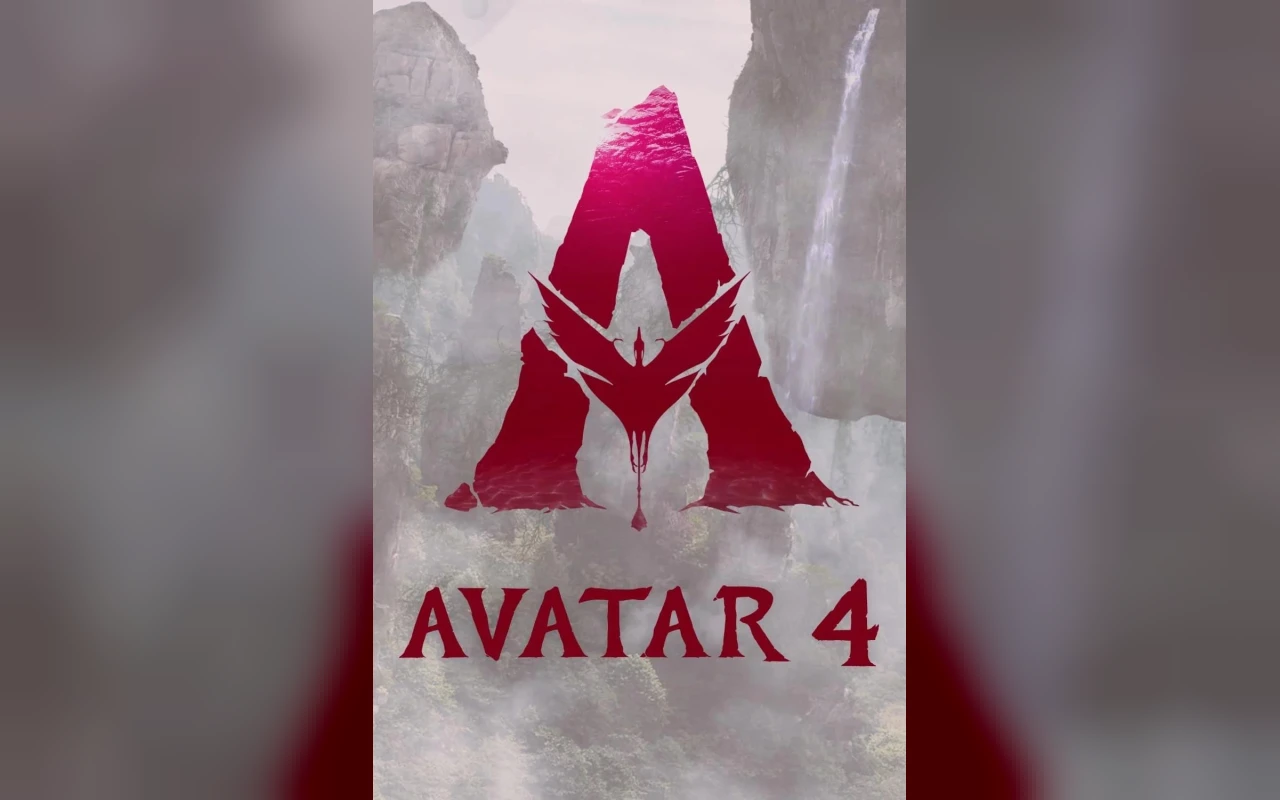
Avatar's future is uncertain as its latest film underperforms. Will Disney delay or cancel Avatar 4 & 5? Explore the franchise's crossroads.
- April 9, 2026
AceShowbiz - The Avatar franchise has amassed over $6.7 billion worldwide, making it one of the most lucrative film series ever. Despite this incredible success, the franchise appears to be at a crossroads. The latest installment, Avatar: Fire and Ash, released last year, ended up as the lowest-grossing film of the trilogy so far. While its $1.49 billion global box office take is impressive by most standards, it pales in comparison to the $2.92 billion and $2.33 billion earned by the first two films respectively. This underperformance has cast doubt on the previously set 2029 and 2031 release dates for Avatar 4 and Avatar 5, with sources describing those dates as “tentative” and hinting at significant upcoming changes.
A recent analysis by The Wrap delves into the future of the Avatar series, revealing ongoing “conversations” about how to make upcoming installments both cheaper and shorter. Alongside this, there is speculation that Disney may be reconsidering its plans to expand the franchise into a California theme park attraction. Instead, the studio might pivot to developing new Zootopia-themed attractions, leveraging the popularity of that intellectual property.
James Cameron, the visionary behind Avatar, had already indicated interest in streamlining production ahead of the release of Avatar: Fire and Ash. He had even prepared a contingency plan to end the franchise after three films if the latest entry failed commercially. Although producer Rae Sanchini assures fans that production on the next films is proceeding at “full speed ahead,” these logistical and financial concerns have been on Cameron’s radar for some time.
The production demands for Avatar films are notoriously high. The budget for Avatar: Fire and Ash was approximately $350 million, with an additional $150 million spent on marketing. Given shifting box office trends, this traditional approach may no longer be sustainable, particularly as Fire and Ash earned nearly $1 billion less than its predecessor. Moving toward a more cost-effective and concise production model could help the franchise remain profitable in the long term.
Reducing the budget and runtime could offer tangible benefits for the franchise’s future. A smaller financial outlay would reduce the pressure on Avatar 4 to deliver blockbuster returns. Spending upwards of $500 million per film is feasible when earlier installments gross over $2 billion, but the diminishing returns seen with Fire and Ash suggest a different strategy may be necessary. In addition, shortening the running time could improve commercial prospects by allowing theaters to schedule more daily screenings. The 198-minute runtime of Fire and Ash may have discouraged some moviegoers, potentially impacting box office performance.
The challenge lies in producing a “cheaper” Avatar film without sacrificing the franchise’s hallmark qualities. James Cameron’s distinctive vision and pioneering filmmaking techniques give the series its unparalleled scope and scale, which typically require substantial financial investment. The groundbreaking 3D technology used to immerse audiences in the world of Pandora remains one of the franchise’s strongest draws. Achieving a similarly breathtaking cinematic experience with a reduced budget presents a significant hurdle. Should Avatar 4 fail to deliver that level of spectacle, it could indicate that the franchise has reached its natural endpoint.
Despite these challenges, those involved in the production seem aligned on the need to adapt. Cameron was already exploring ways to cut costs before the box office results for Fire and Ash were public. This suggests a cooperative mindset between the creative team and studio executives, aimed at finding viable solutions to sustain the franchise. Advances in technology may provide new opportunities to streamline production without compromising artistic quality, potentially ensuring that Avatar 4 and 5 will eventually be realized.