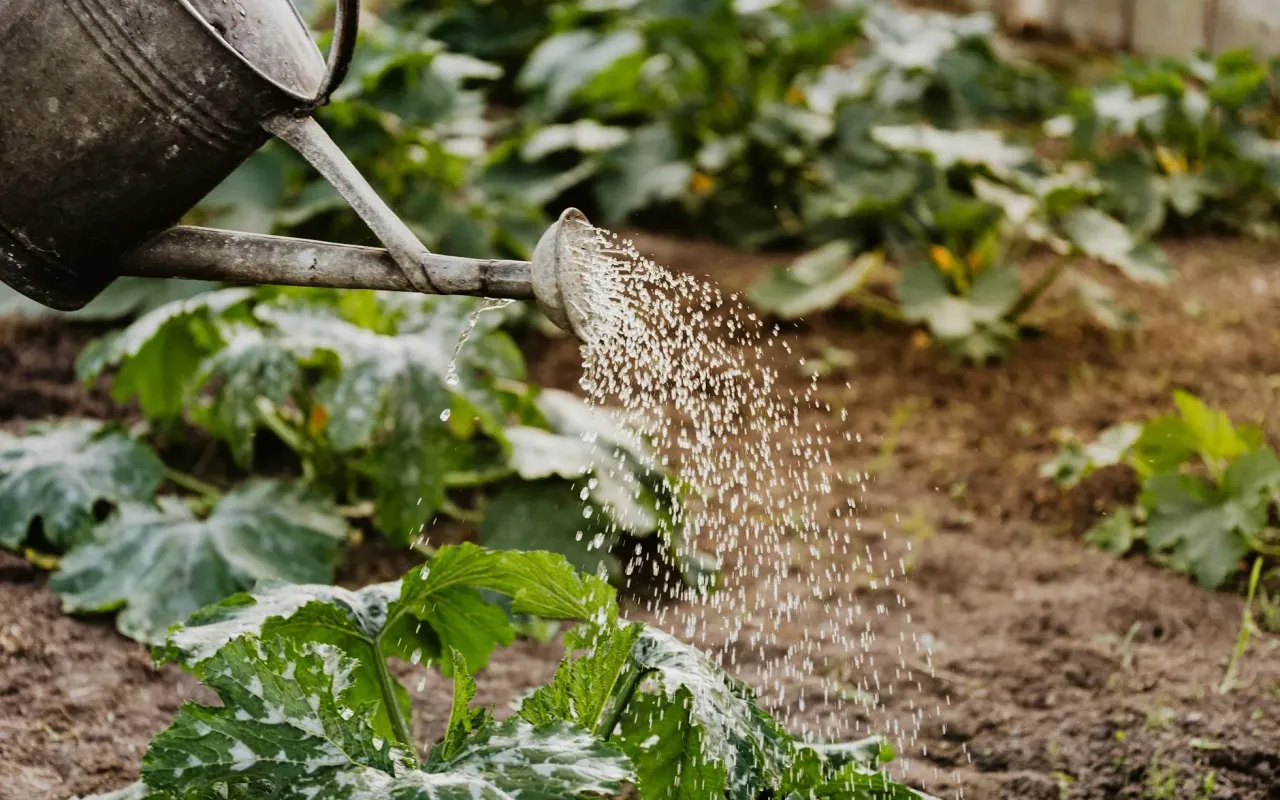
Discover practical, effective strategies to slash your garden's water use. Learn how to choose plants, time watering, and use mulch for a thriving, resilient yard.
- April 8, 2026
AceShowbiz - You've seen the headlines about water restrictions, and maybe you've even winced at your summer utility bill. But the idea of letting your garden suffer feels like a non-starter. What if you could keep your outdoor space lush and vibrant while using a fraction of the water? The truth is, conserving water in the garden isn't about deprivation; it's about working smarter. It's a shift from a mindset of constant rescue to one of strategic support, creating a landscape that's not only beautiful but also resilient and cost-effective.
Start with the Right Plants in the Right Place
The single most impactful water-saving decision you make happens before you even plant a single seed. It's the principle of "right plant, right place." This means grouping plants with similar water, sun, and soil needs together—a concept called hydrozoning. Imagine your garden as a map of thirst. You wouldn't put a water-guzzling hydrangea in the same dry, sunny bed as a drought-tolerant lavender; one will drown while the other struggles.
Native plants are your secret weapon here. They've spent millennia adapting to your local climate, soil, and rainfall patterns. A native oak tree or a patch of coneflowers will have deep, established root systems that seek out moisture far more efficiently than many non-native ornamentals. This doesn't mean your garden has to look like a wild prairie (unless you want it to!). Nurseries now offer a stunning array of native and adapted plants in every color and form.
Your actionable takeaway? Conduct a simple audit of your yard. Observe where the sun beats down all day versus where there's afternoon shade. Note which areas have sandy, fast-draining soil and which hold moisture. Then, redesign your planting scheme. Cluster high-water-use plants (like vegetables or certain annuals) in one convenient, manageable zone. Fill sun-baked, dry areas with a curated selection of drought-tolerant perennials and shrubs. This strategic grouping allows you to water efficiently, targeting only the areas that truly need it, rather than blanketing the entire yard.
Building a Drought-Tolerant Plant Palette
When selecting plants, look beyond the label "drought-tolerant" once they're established. The establishment period—the first year or two—is critical and will require consistent watering. After that, their true nature shines. Consider plants with silvery or grey foliage, like lamb's ear or Russian sage; these colors often indicate tiny hairs that reflect sunlight and reduce water loss. Succulents like sedum and sempervivum store water in their leaves. Deep-rooted perennials like butterfly weed and many ornamental grasses are champions of finding water deep in the soil profile.
Master the Art and Science of Watering
How you water is just as important as what you water. The goal is to get moisture deep into the root zone, encouraging plants to grow strong, deep roots that can access water reserves during dry spells. Shallow, frequent watering is the enemy; it teaches roots to stay near the surface, making plants more vulnerable to heat and drought.
The golden rule is to water deeply and infrequently. For most established gardens, this means applying enough water to soak the soil to a depth of 6-8 inches. How do you know you've achieved this? Use the screwdriver test. About an hour after watering, push a long screwdriver into the soil. It should slide in easily to the hilt. If it stops short, you need to water longer. This method encourages roots to chase the moisture downward, building a resilient foundation.
Timing is everything. Watering in the early morning, ideally before 10 a.m., is vastly superior to evening watering. Morning watering allows foliage to dry quickly in the sun, drastically reducing the risk of fungal diseases like powdery mildew. It also minimizes evaporation loss from wind and heat. Evening watering leaves plants damp overnight, creating a perfect environment for disease, and more water is lost to evaporation during the heat of the day if you water midday.
Your actionable tool here is a simple rain gauge. For less than $10, you can measure exactly how much water your garden receives from rainfall and your sprinklers. Most gardens need about 1 inch of water per week from all sources during the growing season. If your rain gauge shows you've received half an inch of rain, you only need to supplement with another half-inch from your hose or irrigation system. This takes the guesswork out of watering and prevents wasteful overwatering.
Harness the Power of Mulch
Think of mulch as a protective blanket for your soil. It's one of the simplest, most cost-effective water conservation tools you can employ. Bare soil is vulnerable. Sun and wind strike it directly, baking out moisture at an alarming rate. A 2-3 inch layer of organic mulch acts as a physical barrier, dramatically slowing evaporation. Studies from university extension services show that a proper mulch layer can reduce soil moisture loss by up to 70%.
But mulch does more than just lock in water. It moderates soil temperature, keeping roots cooler in summer and warmer in winter. As it slowly decomposes, it feeds the soil ecosystem, improving structure and water retention over time. It also suppresses weeds, which are not just unsightly but fierce competitors for your garden's water and nutrients.
The key is to apply it correctly. Piling mulch up against plant stems or tree trunks—creating "mulch volcanoes"—is a common mistake that can lead to rot, disease, and pest issues. Instead, spread your mulch in a flat, even layer, keeping it a few inches away from the base of plants. Replenish it as it breaks down, usually once a year. For vegetable gardens, consider using straw or grass clippings, which are easy to work into the soil at season's end.
Your actionable choice? Select the right mulch for your goals. Shredded hardwood bark or wood chips are excellent for perennial beds and around trees and shrubs. For a more polished look, consider nut hulls or cocoa bean hulls (but note cocoa hulls can be toxic to dogs). Inorganic mulches like gravel or stone are permanent and work well in very hot, dry climates or in succulent gardens, but they don't improve soil health. For most gardens, a locally sourced organic mulch is the perfect, multi-benefit solution.
Upgrade Your Watering Tools and Technology
That oscillating sprinkler you've had since college might be convenient, but it's likely a water-wasting relic. Upgrading your delivery system is a game-changer for efficiency. The goal is to deliver water directly to the soil where roots can access it, not spray it into the air where wind and evaporation can steal a significant portion.
For vegetable gardens, raised beds, and flower borders, drip irrigation or soaker hoses are the undisputed champions. These systems deliver water slowly and directly to the base of plants, minimizing runoff and evaporation. They keep foliage dry, reducing disease, and you can easily customize them with timers to automate morning watering. The initial setup requires an afternoon of work, but the long-term water savings and convenience are immense.
For lawns and larger areas, if you must use sprinklers, choose models designed for efficiency. Rotary nozzles that produce larger droplets are better than mist-style sprinklers, as they are less affected by wind and evaporate less. Most importantly, regularly inspect and maintain your system. A single broken or misaligned sprinkler head can waste hundreds of gallons of water in a week, silently soaking your fence or driveway instead of your grass.
Your actionable step is to conduct a simple "tuna can test." Place empty, flat-bottomed tuna cans around your lawn in the spray pattern of your sprinklers. Run them for 15 minutes, then measure the water in each can. This shows you how evenly your system distributes water. You'll likely find dry spots and soggy areas, allowing you to adjust heads or watering times to achieve uniform coverage and eliminate waste.
The Smart Timer Advantage
Investing in a "smart" irrigation controller that connects to local weather data or soil moisture sensors is a next-level move. These devices automatically adjust your watering schedule based on real-time conditions. If it rained an inch yesterday, the timer will skip the next cycle. They take human forgetfulness and guesswork completely out of the equation, optimizing every drop.
Rethink Your Lawn and Hardscape
The traditional, expansive carpet of thirsty turf grass is often the largest water consumer in a home landscape. Rethinking its size and role can lead to massive savings. This doesn't mean you have to rip it all out (unless you want to!). Start by evaluating how you use your lawn. Is it a play area for kids and pets, or is it purely decorative?
For areas you need to keep, choose drought-tolerant grass species suited to your region, like certain fescues or buffalo grass. Mow it high—setting your mower blade to 3 inches or more. Taller grass shades the soil, reducing evaporation and encouraging deeper roots. Leave the grass clippings on the lawn; they act as a natural, nitrogen-rich mulch.
For purely decorative areas, consider replacing turf with attractive, low-water alternatives. A perennial ground cover like creeping thyme or sedum can create a beautiful, flowering carpet that needs no mowing and little water. Gravel gardens with sculptural succulents and ornamental grasses are another stunning, ultra-low-maintenance option.
Your actionable project is to identify one underutilized section of lawn—perhaps a narrow side yard or a patch that's difficult to water evenly—and convert it this season. Replace it with a drought-tolerant planting bed, a permeable patio made of pavers and gravel, or a decorative mulch area. This reduces your water-guzzling footprint and adds visual interest to your garden. Also, look at your hardscape. Directing downspouts into rain barrels or creating a "rain garden" swale to capture runoff from your driveway can turn a problem (stormwater) into a resource, passively irrigating planted areas.
Cultivate Healthy, Living Soil
Ultimately, the best reservoir for water in your garden isn't a hose or a rain barrel—it's your soil. Healthy, living soil acts like a sponge, absorbing rainfall and irrigation and holding it for plants to use. Poor, compacted, or lifeless soil, on the other hand, repels water, causing it to run off rather than soak in.
The foundation of healthy soil is organic matter. This includes compost, well-rotted manure, leaf mold, and other decomposed plant material. Organic matter improves soil structure: in sandy soil, it helps retain water and nutrients; in heavy clay soil, it creates pore spaces that improve drainage and aeration. It's a universal soil conditioner.
Incorporate a 2-3 inch layer of compost into your planting beds each spring or fall. For established gardens, simply top-dress by spreading compost on the soil surface around plants; earthworms and microbes will gradually incorporate it. Avoid excessive tilling, which destroys soil structure and beneficial fungal networks. Consider planting cover crops like clover in vacant vegetable beds over winter; they protect the soil and add organic matter when turned under.
Your actionable habit is to start a compost pile. Kitchen scraps (fruit and vegetable peels, coffee grounds, eggshells) and yard waste (leaves, grass clippings) transform into black gold for your garden. This closes the loop in your own yard, saves money on soil amendments, and builds the water-holding capacity of your soil from the ground up. Healthy soil means you'll water less, your plants will be more vigorous, and your entire garden ecosystem will be more balanced and resilient.