Discover how T Bone Burnett's iconic soundtrack for O Brother Where Art Thou? sparked a major revival of American folk, blues, and gospel music.
- April 7, 2026
AceShowbiz - The 2000 film O Brother Where Art Thou? by the Coen Brothers was more than just a cinematic journey through 1930s Mississippi—it became a musical phenomenon that reshaped public appreciation for American folk music. At the heart of this revival was T Bone Burnett, the producer, songwriter, and musician who curated the film's iconic 19-song soundtrack, weaving together blues, bluegrass, gospel, and country tunes that perfectly complemented the film’s Great Depression-era setting.
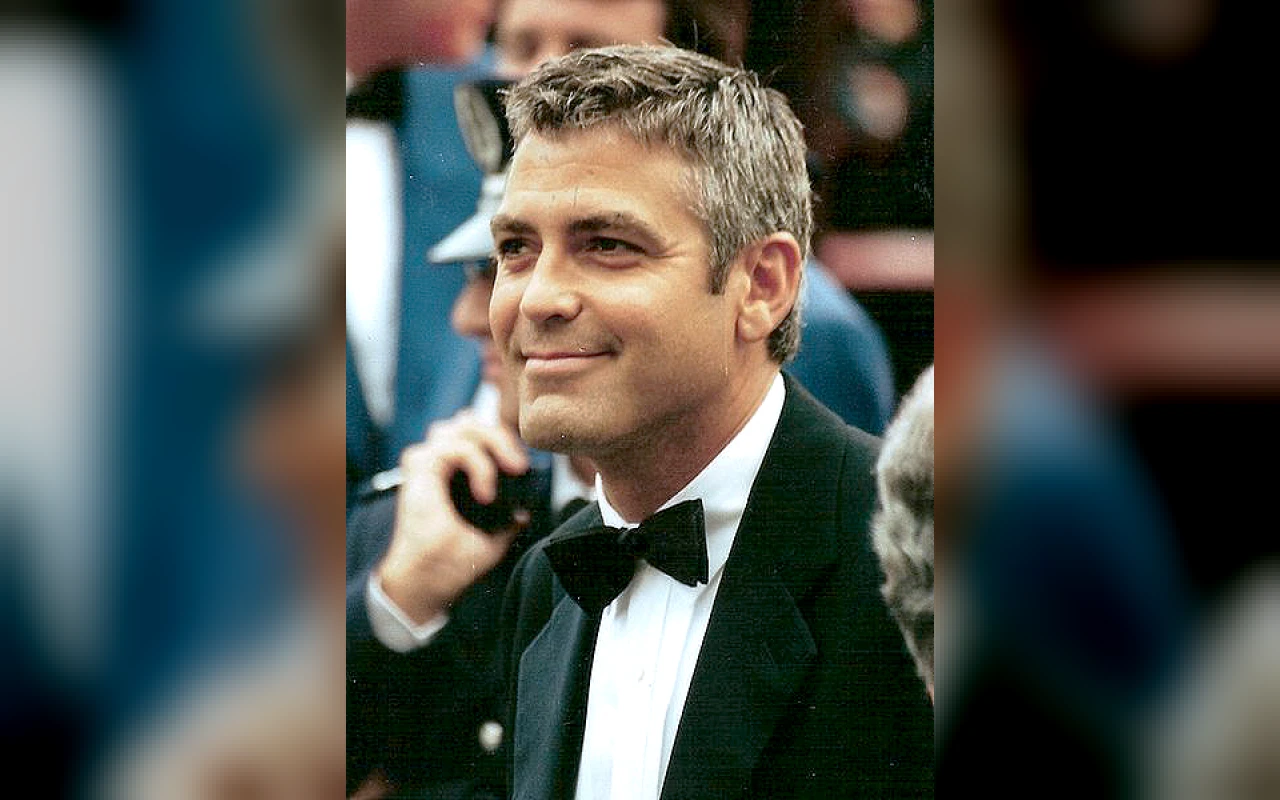
O Brother Where Art Thou? follows a trio of chain gang escapees, played by George Clooney, Tim Blake Nelson, and John Turturro, on their quest through the Deep South. The soundtrack, assembled prior to filming, features a blend of contemporary performances and authentic vintage recordings from the 1920s and 1950s, bringing renewed attention to both legendary and underappreciated artists.
T Bone Burnett spoke with Billboard about the making of the album and its unexpected cultural impact. He shared how the project began with a call from Joel and Ethan Coen, who pitched it as making a movie about the history of American folk music—an immersive experience that spanned several years.
Burnett recalled how some of the songs, including the now-famous "I Am a Man of Constant Sorrow," were originally considered for the Coens’ earlier film The Big Lebowski. Though that song didn’t make it into Lebowski, it found a perfect home in O Brother Where Art Thou? and was used multiple times throughout the film, with Dan Tyminski providing the lead vocals for George Clooney’s character. This performance became a defining moment for the character and the soundtrack alike.
The soundtrack also features prominent artists such as Alison Krauss, Emmylou Harris, The Fairfield Four, Dan Tyminski, and bluegrass legend Ralph Stanley. Signature tracks like "Keep on the Sunny Side" performed by The Whites, Norman Blake's rendition of "You Are My Sunshine," Krauss’s version of "Down to the River to Pray," and Stanley’s haunting a cappella "O Death" enriched the album’s authentic soundscape.
T Bone Burnett emphasized the timeless quality he sought for the music: "The songs didn't sound like they were done in different decades. I've always tried to make music where you can't tell what decade it's from." This approach helped create a cohesive listening experience that transcended era boundaries.
Technically, Burnett and his engineer Mike Piersante researched historic recording techniques to capture the authenticity of the era. They emulated the Decca Recording Company’s "Decca Tree" microphone setup—using a 47 Neumann microphone alongside three ribbon mics to record in mono—eschewing modern digital shortcuts for a more organic, live sound. This method allowed the musicians to perform freely and bravely, without relying on extensive digital editing.
One standout inclusion on the soundtrack was the archival recording of James Carter and the Prisoners' song "Po' Lazarus," originally captured by folk music collector Alan Lomax at a Mississippi penitentiary. The song aligned perfectly with the film’s opening chain gang scenes and underscored the soundtrack’s deep roots in authentic folk tradition. Carter, rediscovered decades later, attended the Grammys following the soundtrack’s success, a testament to the project’s power to revive forgotten voices.
The O Brother Where Art Thou? soundtrack achieved extraordinary commercial and critical success. It topped the Billboard 200 albums chart and dominated the Top Country Albums chart for over 20 weeks. The album also earned multiple Grammy Awards, including Album of the Year, while Burnett personally won four Grammys, such as Producer of the Year (Non-Classical). Additionally, the soundtrack received honors from the Academy of Country Music, Country Music Association, and International Bluegrass Music Association.
Beyond awards, the album sparked a widespread resurgence of interest in bluegrass and traditional folk music, introducing these genres to a new generation of listeners. This enduring legacy is being celebrated through a vinyl reissue released on February 20 by Lost Highway Records, keeping the music’s spirit alive more than 25 years after its debut.
Further homage to the soundtrack’s impact will be paid on February 28, when the Grand Ole Opry hosts a special concert featuring artists connected to the project. Performers will include Billy Strings, Alison Krauss, Dan Tyminski, the Del McCoury Band, Molly Tuttle, Old Crow Medicine Show, Jerry Douglas, The Fairfield Four, Emmylou Harris, and The Fisk Jubilee Singers, among others.
Reflecting on the project, T Bone Burnett expressed surprise at the soundtrack’s lasting impact. He explained that the goal was simply to spotlight incredibly talented, yet underappreciated musicians like Ralph Stanley, Emmylou Harris, and Alison Krauss. He compared the mandolin intro by Mike Compton on "Man of Constant Sorrow" to a Chuck Berry guitar riff, highlighting how the album had the energy of a rock ’n’ roll record despite its folk roots. Burnett mused that while the soundtrack had a rock ’n’ roll vitality attached to a George Clooney movie, he initially doubted it would receive radio play.
The decision to feature Ralph Stanley’s a cappella rendition of "O Death" was a deliberate artistic choice. Inspired by Dock Boggs’ version of the song, Burnett invited Stanley to sing and play banjo, resulting in a chilling performance that has become one of the soundtrack’s most memorable moments and an emblem of its raw authenticity.
Looking back, T Bone Burnett recognized how the soundtrack served as a bridge between the past and present, reinvigorating American folk music’s place in popular culture. Through meticulous artist selection, historic recording techniques, and a deep respect for the genre’s roots, the O Brother Where Art Thou? soundtrack not only complemented its film but created a standalone influence that continues to resonate with audiences and musicians alike.