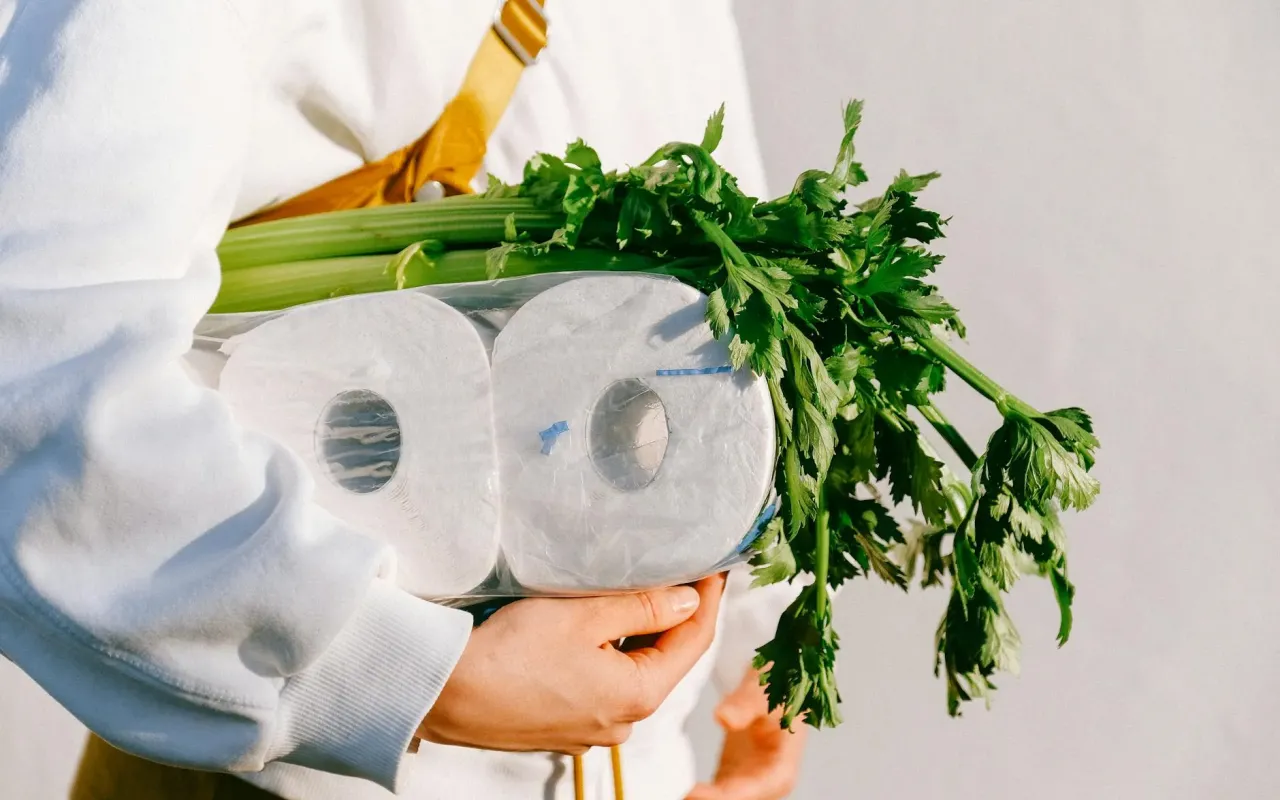
We compared recycled content in popular toilet paper brands. Discover which rolls are truly sustainable and which claims are just greenwashing.
- April 5, 2026
AceShowbiz - You've probably stood in the toilet paper aisle, feeling that familiar pang of eco-anxiety. On one side, the plush, quilted promise of cloud-like comfort. On the other, a rougher-looking roll shouting about its recycled content and saving trees. Which do you choose? The truth is, not all recycled toilet paper is created equal, and some brands are far better for the planet than others.
Let's get real: the average American uses 141 rolls a year. That's a staggering amount of pulp, water, and energy going down the drain, literally. Choosing a roll with genuine recycled content is one of the easiest, most tangible ways to reduce your environmental footprint. But you need to know what you're looking for beyond the green leaves on the packaging.
What Does "Recycled Content" Actually Mean?
When a brand says "recycled," it's not a single, simple thing. The term covers two main types of material, and the difference is crucial for understanding a product's true impact. The first is post-consumer recycled (PCR) content. This is the gold standard. It's paper that has been used by people, tossed in the recycling bin, processed, and turned into new pulp. Every percentage point of PCR directly diverts waste from landfills.
The second type is pre-consumer recycled content. This is scrap material from paper mills and manufacturing trimmings that never reached a consumer. While it's better than using virgin wood pulp, it's often material that would have been recycled within the industrial process anyway. A high PCR percentage is the real win for sustainability.
So, why should you care about this distinction? Because some brands tout a high "total recycled content" number that's heavy on pre-consumer scrap and light on the PCR that makes a genuine dent in our waste stream. Your goal should be to find a roll with the highest possible post-consumer recycled content you can comfortably afford and use.
Actionable Tip: Always look past the big "Recycled!" banner. Flip the package over and check the fine print for the specific "post-consumer recycled" percentage. That's the number that truly matters.
The Heavy Hitters: Brands With High Post-Consumer Content
These are the brands walking the walk. They prioritize PCR content, often using 100% recycled fibers, with the majority being post-consumer. They tend to have less-bleached, natural coloring and a different texture than ultra-plush virgin pulp rolls.
Seventh Generation is a leader in this space. Their unbleached bath tissue is made from 100% recycled paper, with a minimum of 50% post-consumer content. It's a robust, no-dye option that clearly states its credentials. Similarly, Who Gives A Crap offers both 100% recycled and bamboo options. Their 100% recycled rolls are made entirely from post-consumer waste paper, and they're transparent about their supply chain and give 50% of profits to build toilets.
Green Forest and 365 by Whole Foods Market (their recycled version) are also strong contenders, typically offering 100% recycled paper with high PCR percentages, often around 80-100%. These are fantastic mainstream grocery store options that prove sustainability can be accessible.
The texture of these papers is worth noting. They are generally softer than the recycled paper of decades past, but they still have a sturdier, less "pillowy" feel. It's a small trade-off for a massive reduction in deforestation, water use, and landfill waste. Your comfort zone here is part of the equation.
Actionable Tip: If you're new to high-PCR toilet paper, try a small pack of Seventh Generation or store-brand equivalent first. Let your household adjust to the different texture before committing to a giant bulk package.
The Middle Ground: Mixed Claims and Greenwashing Traps
This is where your detective skills are essential. Many large, conventional brands now offer a "green" or "eco" line. While this indicates market demand, the details often reveal a less impressive story. These products frequently mix virgin tree pulp with a small amount of recycled content, and the recycled portion is often mostly pre-consumer scrap.
Take a brand like Angel Soft, which has an "Eco-Friendly" line. It contains some recycled fiber, but the post-consumer content is low. The primary goal here seems to be offering a slightly better option while maintaining the super-soft texture their customers expect from virgin pulp. Charmin has similarly dipped a toe in with a "Charmin Forever Roll" made with some recycled fiber, but it's not their flagship product and the PCR specifics are harder to find.
The "so what?" is huge. Buying these products supports a step in the right direction from big corporations, signaling that sustainability sells. However, it also lets them continue their core business of cutting down billions of trees annually for their standard lines. It's a classic example of "greenwashing"—using environmental imagery to appear eco-friendly without making substantial systemic changes.
Your purchasing power in this aisle is a vote. Choosing a brand that is fundamentally built on recycled content sends a stronger message than choosing a mega-brand's side project.
Actionable Tip: Be skeptical of vague terms like "eco-friendly," "green," or "natural" without hard numbers. A brand truly committed to recycled content will proudly and clearly state the post-consumer percentage on the front of the package.
The Luxury & Virgin Pulp Problem
Walk down the premium aisle, and you'll find the ultra-soft, multi-ply rolls that feel like hotel luxury. Brands like Charmin Ultra Soft, Cottonelle Ultra ComfortCare, and Quilted Northern dominate here. The uncomfortable truth? These are almost exclusively made from virgin northern bleached softwood kraft (NBSK) pulp.
This means they are made directly from trees, often from ancient boreal forests in Canada. The process is resource-intensive: cutting trees, massive water consumption for pulping, and heavy use of chlorine compounds for bleaching to achieve that bright white, fluffy result. The environmental cost per roll is significantly higher than any recycled option.
Why do they dominate the market? Because for decades, marketing has equated thickness, softness, and strength with quality and care for your family. The recycled paper stigma of being "scratchy" or "weak" persists, even as recycled products have improved dramatically. The convenience and deep brand loyalty are hard to break.
If you or your family are truly attached to this type of paper, consider a compromise. Could you use a premium virgin roll at home but switch to a high-PCR option for a vacation cabin or guest bathroom? Even a partial switch makes a measurable difference over a year.
Actionable Tip: Conduct a blind feel test. Buy a roll of a high-PCR brand and put it in a dispenser next to your usual brand for a week. You might find the difference is less dramatic than you imagined, making a permanent switch easier.
Beyond the Roll: Certifications and Other Factors
Recycled content is the star of the show, but it's not the only actor. To get the full sustainability picture, look for third-party certifications on the packaging. These are independent verifications that back up a brand's claims.
The Forest Stewardship Council (FSC) certification is key, especially for products containing any virgin wood. FSC ensures the wood is sourced from responsibly managed forests. For recycled products, look for the FSC Recycled label, which guarantees the recycled content claims are accurate. The EPA's Comprehensive Procurement Guideline (CPG) also designates products with verified post-consumer content.
Consider the packaging itself. Is it wrapped in plastic or recyclable paper? Brands like Who Gives A Crap ship in cardboard boxes without plastic wrap. Also, think about sheet count and ply. A two-ply roll with more sheets might last longer than a three-ply roll with fewer, reducing overall packaging and shipping frequency.
Finally, remember that sustainability is holistic. A 100% PCR toilet paper made in a carbon-intensive factory on the other side of the world has a different footprint than one made regionally. While this data is harder to find, supporting smaller, transparent brands often aligns with better overall practices.
Actionable Tip: Make a quick checklist for your next TP purchase: 1) High PCR percentage (aim for 50%+), 2) FSC Recycled certification, 3) Minimal plastic packaging. If a product ticks these boxes, you've found a winner.
Making Your Switch: A Practical Plan
Changing a household staple can meet resistance. The key is to be strategic and communicative, not dogmatic. Start by framing it as an experiment, not a permanent decree. Explain the "why" to your family or roommates—share the fact about annual roll usage or how many trees a switch could save.
Begin with a hybrid approach. Keep your usual roll in one bathroom and introduce the recycled contender in another. This allows everyone to try it without feeling forced. Often, the perceived "scratchiness" is more psychological than physical, and this low-pressure trial bypasses that bias.
Calculate the cost-per-sheet, not just the cost-per-roll. Some recycled brands have more sheets per roll, making them more economical than they first appear. Buying in bulk from online sustainable brands can also bring the cost down and ensure you never run out, removing the temptation for a convenience-store virgin pulp purchase.
This isn't about achieving perfect, zero-waste purity overnight. It's about making a better choice most of the time. If you forget and buy a conventional pack, or if you're staying somewhere that only has virgin pulp, don't stress. Sustainable living is about the collective impact of millions of people making better choices often, not a few people being perfect.
Actionable Tip: This weekend, take five minutes to research one high-PCR brand available at your local store or online. Just read about it. Next time you need TP, you'll be armed with one solid alternative, turning a moment of aisle anxiety into a confident, positive choice.