Discover the story behind the first SAG Awards in 1995, when actors finally gained their own platform to honor peer excellence in film and television.
- April 4, 2026
AceShowbiz - On February 25, 1995, NBC broadcast the first-ever ceremony of what would grow into an established annual tradition: the Screen Actors Guild Awards. The honorees, representing accomplishments in both film and television, were selected by the guild’s membership, which then numbered 77,615. Barry Gordon, the SAG president at the time, celebrated the event as a landmark moment. He emphasized that for the first time, performers themselves—those actively working in the trenches—would have the opportunity to honor outstanding work by their peers.
Despite the significance of this inaugural show, the Screen Actors Guild was relatively late to join the ranks of entertainment unions presenting awards. The Screen Writers Guild had been distributing trophies since 1949, recognizing talents such as John Huston and B. Traven for writing achievements in The Treasure of the Sierra Madre. Similarly, the Directors Guild of America also began annual awards in 1949, when Joseph L. Mankiewicz was honored for directing A Letter to Three Wives.
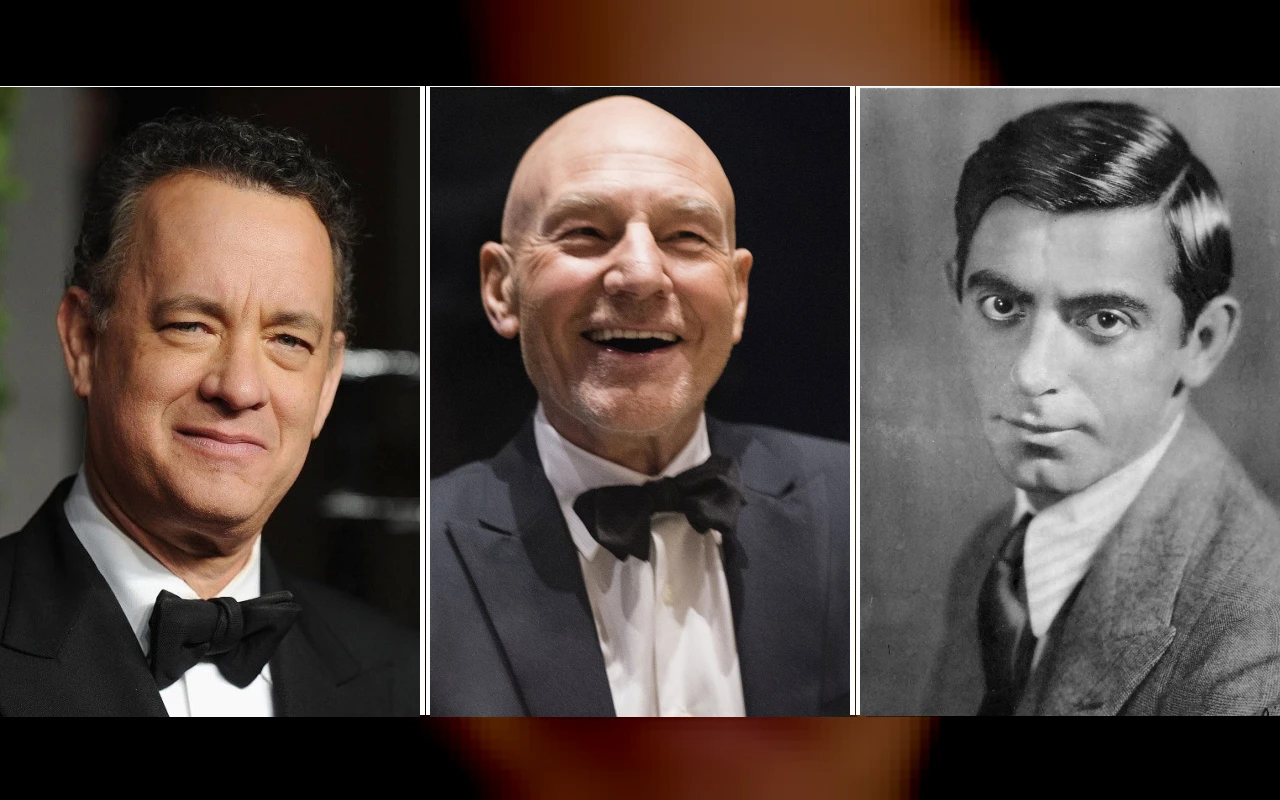
Patrick Stewart once described SAG as "the most modest and self-effacing guild." Yet, beyond modesty, SAG members took pride in their union affiliation. The guild card was more than a mere necessity for gaining access to elite film and television roles; it was a symbol of professional identity and solidarity.
At the 1995 ceremony, when Tom Hanks won the best actor award for his role in Forrest Gump, he posed not only with the iconic statuette—a stylized, nude male figure holding the Greek masks of tragedy and comedy—but also proudly displayed his SAG membership card. This moment underscored the guild’s importance as a badge of honor among actors.
However, in a surprising move, the Screen Actors Guild has decided to diminish its own branding. On November 14, the union announced that its flagship awards ceremony, scheduled to stream on Netflix on March 1, 2026, will be renamed "The Actors Awards presented by SAG-AFTRA." While the shift from a major broadcast network to a streaming platform reflects changing market realities and technological trends, the decision to remove “Screen Actors Guild” from the ceremony’s official title signals a troubling retreat from the guild’s historic identity.
The name change announcement included a rationale centered on alignment with the award itself, which has always been called The Actor. According to SAG-AFTRA, evolving the show’s name to reflect the trophy "made obvious sense." Additionally, the union argued that the refreshed name would appeal to new global audiences who might not immediately recognize the SAG acronym. The messaging stressed that everything else about the awards would remain "exactly the same" and downplayed any concerns as unnecessary fuss.
Yet, this rationale overlooks the significance of the guild’s name as a protective emblem. The original founders of SAG endured great struggles to establish an independent labor union dedicated solely to actors, at a time when Hollywood studios demanded draconian pay cuts. During the Great Depression, the Screen Actors Guild emerged not just as a labor organization but as a vital shield for performers’ livelihoods and dignity.
In March 1933, MGM studio head Louis B. Mayer called a meeting of his employees to implore them to accept a 50 percent salary reduction to save the studio from bankruptcy. Lionel Barrymore, a generous and prominent actor, offered to take a 75 percent cut, but his sacrifice did not inspire the same from others. The growing discontent led The Hollywood Reporter to advocate for the creation of a guild to protect actors’ interests.
The year 1933 saw the formation of separate guilds for screenwriters, directors, and actors, each emphasizing their craft’s skill by choosing the term “guild” rather than “union.” This deliberate language choice was intended to elevate their professional status and distance themselves from working-class connotations.
On October 8, 1933, over 800 actors, from stars to bit players, convened at the El Capitan Theatre on Hollywood Boulevard for the first major organizational meeting of the Screen Actors Guild. The popular entertainer Eddie Cantor presided over the gathering and was elected the first president. He passionately called for a "100 percent actor organization" that would represent actors exclusively and protect their rights without external influence.
"Some Academy members say we are going screwy forming a Guild organization," Cantor remarked, "But we are not screwy. We just want to be 100 percent represented in an organization not subsidized by anyone." He was referring to the Academy of Motion Picture Arts and Sciences, which many saw as a company-controlled entity aimed more at controlling talent than empowering it. Roughly 503 actors resigned from the Academy’s actors’ branch that day and joined SAG, ready to fight for their interests. Cantor’s rallying cry was hardball: "Don't work—and let them make their own pictures."
Though the studios retreated from the harshest pay cut demands, another challenge emerged from Washington. The National Recovery Act (NRA) introduced a Motion Picture Industry Code that threatened to cap salaries and mandated producers could reward themselves with bonuses but risked fines if they paid actors generously. This policy enraged the guild, which protested to President Franklin D. Roosevelt. SAG pointed out that stars like Mae West, despite commanding salaries exceeding that of the President and Congress combined, had kept studios afloat and workers employed during tough times. The NRA’s overreach was eventually struck down by the Supreme Court in 1935.
The 1930s also brought threats from organized crime. Mob figures had infiltrated powerful stagehands’ unions like the International Alliance of Theatrical Stage Employees (IATSE), using their pension funds for personal gain. In 1939, gangsters attempted to extend their control over SAG, claiming jurisdiction over all theatrical workers including actors. SAG resisted, exposing the mob’s audacious attempts to seize control of their organization.
These early battles forged the Screen Actors Guild’s identity as a fiercely independent union dedicated to protecting actors’ rights and dignity. It was more than a name; it was a symbol of unity and defiance against exploitation by studios, government overreach, and criminal interference.
Given this storied history, the decision to excise “Screen Actors Guild” from the awards show’s title risks eroding the guild’s legacy at a time when worker solidarity remains crucial. With ongoing tensions in Hollywood labor relations and challenges from strikebreakers such as "Tilly Norwood," maintaining a strong, recognizable identity is vital to uphold the guild’s protective shield.
The Screen Actors Guild’s origins and achievements deserve to be remembered and celebrated, not quietly edited out of the awards ceremony’s name. The guild’s founders would likely regard this move as a step backward, diluting the pride and power represented by those three words—Screen Actors Guild. In contrast to modesty, this is a moment that calls for reaffirming the guild’s significance and its continuing role in advocating for performers worldwide.