Monarch: Legacy of Monsters S2 nods to Korean folklore's Pulgasari. Dive into intense monster action and deep Monsterverse lore.
- April 4, 2026
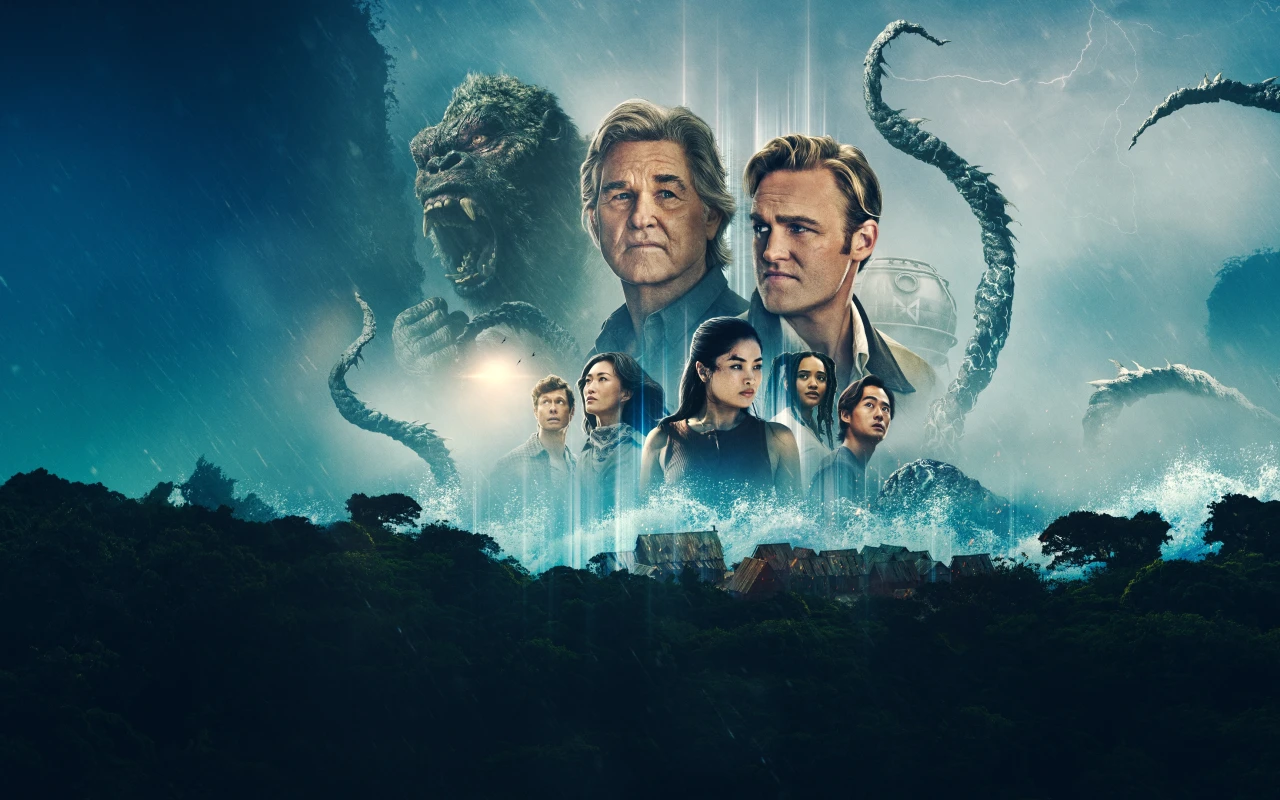
AceShowbiz - The first episode of Monarch: Legacy of Monsters season 2 has made a subtle yet thrilling nod to a lesser-known kaiju from Korean folklore, delighting dedicated monster movie enthusiasts. This latest season, which premiered to positive reviews, wastes no time plunging viewers back into intense monster action without excessive buildup, reaffirming its commitment to the rich lore of the Monsterverse.
Early in the episode, viewers are taken on a flashback journey alongside three key characters—Lee Shaw, Bill Randa, and Keiko Miura—during their initial expeditions before Keiko’s involvement with Axis Mundi. The trio is seen aboard a fishing vessel en route to an island, attempting to recall the name of a mysterious creature they had heard about but never witnessed firsthand. This scene serves as a clever homage to a rare and fascinating monster from Korean mythology.
Bill Randa is the one who ultimately identifies the creature as Pulgasari, a mythical beast known in Korean folklore. As he recalls, Pulgasari is described as a creature that consumes metal and resembles a hybrid of a bear, tiger, rhinoceros, and elephant. Lee adds that Bill had spent significant time searching for this creature in Korea and notes that it is well-documented in Korean mythology. This acknowledgment aligns perfectly with the Monsterverse’s tradition of incorporating diverse monster legends from around the globe.
While Pulgasari is rooted in Korean myth, the real highlight for monster movie fans is the reference to the 1986 North Korean film Pulgasari. This suitmation movie has a unique and bizarre history, often regarded as a cult classic within the kaiju genre. The film itself is reportedly a remake of a 1962 South Korean movie titled Bulgasari and was seemingly produced to capitalize on the popularity of 1984’s The Return of Godzilla. Although the cinematic monster’s appearance differs from the traditional myth, the film loosely adapts the idea of Pulgasari as a protector who punishes oppressors and evil forces.
The 1986 Pulgasari movie is notable for its over-the-top monster battles and the distinctive charm typical of monster movies from the 1950s through the 1980s. Over the decades, it has solidified its status as a cult favorite among kaiju fans, who appreciate its outlandish yet exciting approach to monster storytelling.
What truly sets Pulgasari apart, however, is the extraordinary story behind its production. The film was directed by the acclaimed South Korean filmmaker Shin Sang-ok under extraordinary circumstances. In 1978, Shin and his wife were forcibly kidnapped by North Korean leader Kim Jong Il, who aimed to enhance North Korea’s film industry by compelling Shin to direct movies for the regime.
Interestingly, Toho—renowned for creating Godzilla and other iconic monsters—was involved in the production of Pulgasari. Employees from Toho were hired by Kim Jong Il to assist with various aspects of the film, and Toho is officially credited as a collaborator. Despite the film’s release in North Korea in February 1986, it was soon banned after Shin and his wife managed a daring escape to the United States.
After fleeing North Korea, Shin Sang-ok directed a remake of Pulgasari titled Galgameth in the United States. However, this version did not have the cultural impact or cult status of its predecessor. The inclusion of Pulgasari in Monarch: Legacy of Monsters season 2 serves as a clever and respectful nod to this unique chapter in monster cinema history.
By weaving such an obscure and fascinating reference into its narrative, Monarch: Legacy of Monsters deepens its connection to global monster lore beyond the usual Toho-inspired creatures. This enriches the Monsterverse by highlighting how it can incorporate rare legends and films, rewarding viewers who have a keen interest in kaiju culture with these well-crafted easter eggs.
Ultimately, the Pulgasari mention in the opening episode exemplifies the show’s commitment to expanding the Monsterverse mythos in unexpected and engaging ways. It acknowledges not only the iconic giants like Godzilla and King Kong but also the lesser-known monsters that have captivated fans worldwide. This thoughtful integration of monster history and mythology is one reason the series continues to resonate with audiences craving rich, detailed storytelling within this genre.
As Monarch: Legacy of Monsters progresses through season 2, fans can anticipate more references and lore that explore the vast world of Titans while paying homage to the global tradition of monster films. The Pulgasari reference is just the beginning, signaling that this season will continue to thrill viewers with both thrilling action and clever callbacks to cult classics.