Marvel's Hulk enters a terrifying new era of folk horror. Discover the Infernal Hulk, a dark evolution that could reshape the MCU's Jade Giant forever.
- April 4, 2026
AceShowbiz - Marvel is pushing the boundaries of the Hulk mythos with its latest comic arc, introducing a terrifying new incarnation that could reshape how the character is portrayed in the MCU. Known for his immense power and uncontrollable rage, the Hulk has often been a figure of destruction, but Marvel’s newest take dives deeper into horror than ever before, offering a fresh and darker vision for the iconic Gamma monster.
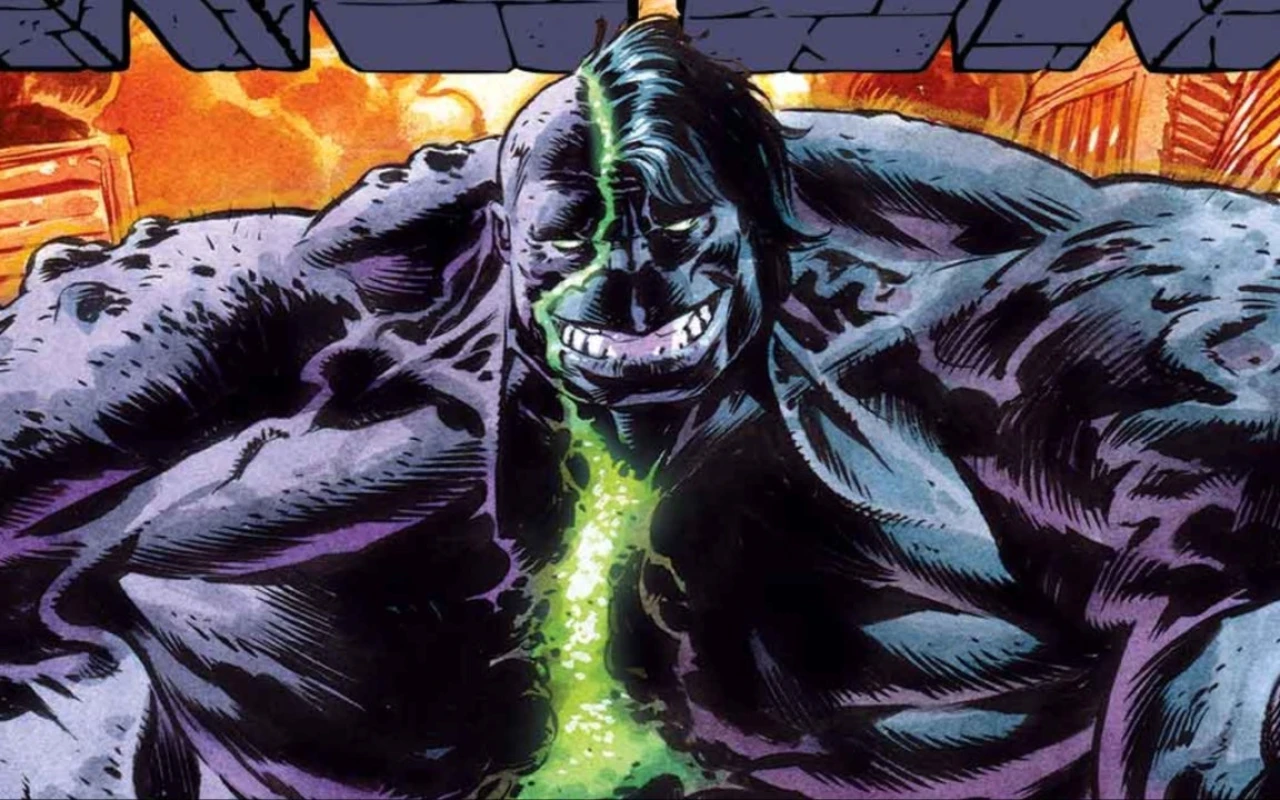
The transition into this new era follows the success of Al Ewing’s critically acclaimed The Immortal Hulk, which explored the character’s descent into the Below-Place, a supernatural realm adding layers of cosmic and body horror to Hulk’s story. Building on this foundation, Phillip Kennedy Johnson’s The Incredible Hulk series introduces the Infernal Hulk, a twisted evolution of the Jade Giant that introduces folk horror elements and a more sinister tone.
Unlike previous Hulk versions, which often represent different facets of Bruce Banner’s psyche, the Infernal Hulk stands apart as an entity with its own will and malicious intent. Powered by the flesh of the so-called Mother of Horrors and possessed by a mysterious figure named Eldest, this new Hulk is a genuine monster in the truest sense—one that acts independently of Banner or the other Hulk personalities.
In an interview with AIPT, writer Phillip K. Johnson revealed how he sought to set his run apart from The Immortal Hulk, aiming for a distinct horror influence inspired by creators like Mike Mignola and Guillermo del Toro. This influence permeates the comic’s atmosphere, creature designs, and violent sequences, creating a world steeped in dark fantasy and folk horror rather than the cosmic or body horror that defined Ewing’s run. Johnson explained the challenge of crafting something new while honoring the Hulk’s legacy, emphasizing the shift towards a "Mignola/del Toro kind of thing" that blends supernatural terror with visceral storytelling.
The Infernal Hulk’s presence is immediately unsettling. His rampages are depicted with grotesque detail rarely seen before, showcasing the destruction he leaves behind in a nightmarish fashion. The comic’s settings, including the eerie Hulk lair and the twisted Hulkscape, are illustrated with a surreal and disturbing aesthetic that amplifies the story’s horror elements. Even iconic characters like Namor and the Avengers are enveloped in this grim atmosphere, highlighting the far-reaching impact of this dark new Hulk.
Perhaps most striking about the Infernal Hulk is how he embodies pure evil, diverging from past Hulk incarnations that, while monstrous, often retained some connection to Bruce Banner’s consciousness or emotions. Other Hulks, such as the Fractured One or Guilt Hulk, represent facets of Banner’s trauma or self-loathing, but the Infernal Hulk is indifferent to Banner altogether. His sole purpose is to plunge the world into darkness, wielding his monstrous power to achieve this goal without hesitation or mercy.
This ruthless nature makes the Infernal Hulk a uniquely dangerous foe. Unlike other versions that might seek peace, dominance, or even self-destruction, this Hulk serves as a vessel for Eldest’s apocalyptic ambitions. Johnson describes the entity as “the most evil Hulk so far,” a nihilistic force intent on conquering the world through sheer malevolence and destruction.
The implications for the Marvel Universe are profound. The Infernal Hulk is actively unleashing chaos on Earth, prompting the Avengers and X-Men to confront a threat unlike any they’ve faced before. Unlike previous battles where containment or transformation strategies were viable, the heroes realize this Hulk is fundamentally different. He cannot be reasoned with, controlled, or reverted to Bruce Banner, making him an unstoppable menace.
This development has ramifications for Banner himself, who has traditionally been the only person with a true understanding of the Hulk’s nature and limits. Now, as the Infernal Hulk wreaks havoc with no regard for Banner’s existence, the scientist is left powerless, a helpless witness to an unimaginable nightmare. The situation is so dire that even Iron Man expresses disappointment in Banner’s decision to step back, underscoring the grave threat posed by a Hulk beyond anyone’s control.
Although the Hulk has always been portrayed as a monstrous figure, his role as a horror character has often been subtle or symbolic rather than explicit. Originating from gothic horror influences like Dr. Jekyll and Mr. Hyde, the Hulk’s destructive rampages were typically framed as tragic or collateral damage rather than outright villainy. The Infernal Hulk, however, strips away this ambiguity, embracing a more malevolent role that challenges the heroic safety net usually surrounding the character.
Distinct from the body horror and cosmic dread that defined The Immortal Hulk, the Infernal Hulk plunges into supernatural terror. Eldest’s manipulation of Hulk’s infinite strength is used to engulf Earth in a realm filled with literal horrors, making this incarnation a symbol of darkness intent on extinguishing all light. The narrative suggests that only brute force might stand a chance of stopping this new menace.
Marvel’s introduction of the Infernal Hulk marks a bold step in evolving the Hulk’s character, infusing the franchise with a horror aesthetic that feels overdue. This darker turn not only enriches the comic book lore but could also provide the MCU with a fresh and chilling direction for one of its most powerful heroes. As the MCU continues to expand its universe, the arrival of a truly terrifying Hulk could be the perfect horror twist the franchise needs to captivate audiences anew.