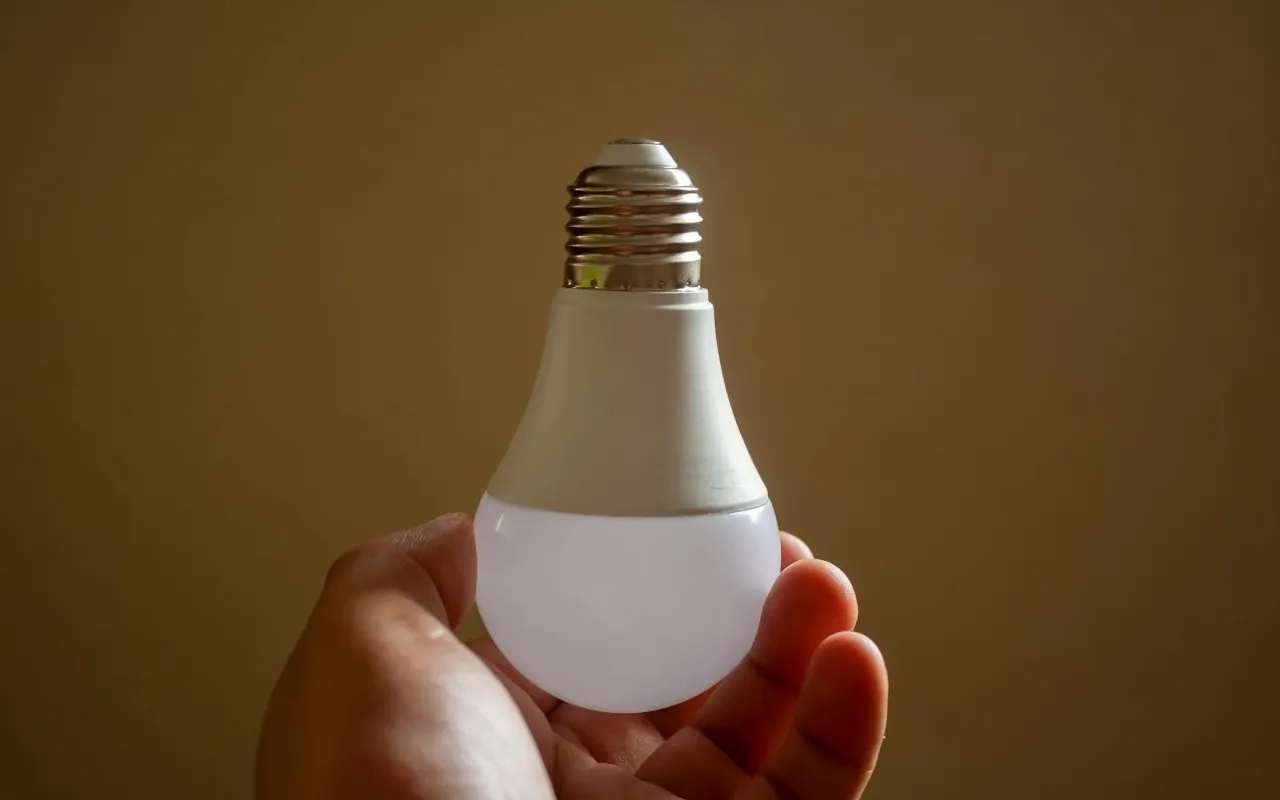
Stop guessing which light bulb to buy. Our guide explains color temperature, from warm to cool, and shows you exactly where to use each for the perfect home atmosphere.
- April 3, 2026
Your Light Bulbs Are Probably Fighting Your Decor
Think about the last time you walked into a room and felt instantly relaxed, or conversely, alert and ready to work. Chances are, the lighting played a huge, silent role in that feeling. Yet, most of us buy bulbs based on wattage or price, grabbing whatever is on sale, and then wonder why our cozy living room feels like a sterile office or why our home office makes us want to nap.
The secret isn't just brightness; it's color. That harsh, blue-ish glare from a cheap bulb isn't just unflattering—it can disrupt your sleep and mood. The right light color, however, can make your paint look richer, your food more appetizing, and your evenings genuinely restorative. This isn't just interior design fluff; it's about aligning your environment with how you want to feel in each part of your day.
So, let's move beyond lumens and watts for a moment. The key metric you need to understand is Kelvin (K), or color temperature. It sounds technical, but it simply describes whether light appears warm (yellow/red) or cool (blue/white). Lower Kelvin numbers (2700K-3000K) mean warmer, cozier light. Higher numbers (5000K-6500K) mean cooler, more energizing light.
Actionable Takeaway: Before you buy another bulb, find the Kelvin rating on the package. This number, more than anything else, will determine the mood of your room.
Decoding the Kelvin Scale: From Candlelight to Daylight
Imagine a scale of light. On one end, picture the warm, amber glow of a candle flame or a sunrise. On the other, think of the crisp, bright light of a cloudless midday sky. The Kelvin scale quantifies this entire spectrum. It's not about heat, but hue. A common mistake is confusing "cool" light with being more energy-efficient—they are completely unrelated. An LED can be warm, cool, or anywhere in between and still use minimal electricity.
Let's break down the key ranges you'll see on store shelves. Warm White (2700K-3000K) is the gold standard for most living spaces. It's the color of traditional incandescent bulbs, casting a soft, yellow hue that feels inviting and calm. Next is Bright White or Neutral White (3500K-4100K). This is a balanced, neutral light—not too yellow, not too blue. It's clarity without harshness.
Then we have Daylight (5000K-6500K). This range mimics noon sunlight and has a very distinct blue-white quality. It's excellent for concentration and detail work but can feel clinical and cold in the wrong setting. Using a 5000K bulb in your bedroom is a surefire way to make it feel like a hospital room, not a sanctuary.
Actionable Takeaway: Stick to this mental map: 2700K for cozy, 3500K for clean and balanced, 5000K+ for focus and task lighting. Avoid mixing wildly different temperatures in one open-plan space, as it creates a visually jarring effect.
Why Your Brain Cares About Color Temperature
This isn't just aesthetics; it's biology. Our bodies have an internal clock called the circadian rhythm, heavily influenced by light. Warm, low-Kelvin light in the evening signals to your brain that it's time to wind down, suppressing melatonin-disrupting blue light. Cool, high-Kelvin light in the morning can help you feel more alert and focused.
That's why staring at your cool-toned phone screen at night can make it harder to fall asleep. By being intentional with your home's lighting colors, you're working with your body's natural rhythms, not against them. The right light can help you relax after a long day or power through a pile of paperwork.
Room-by-Room: A Practical Lighting Blueprint
Now, let's apply this knowledge where it matters most. General rules are helpful, but specific recommendations make this actionable. Your goal is to layer light for function and atmosphere, starting with the right color temperature as your foundation.
In the Living Room and Bedroom, your primary goal is relaxation. Opt for Warm White (2700K-3000K). This makes skin tones look softer, wood finishes richer, and creates a welcoming atmosphere for conversation or reading. For bedside lamps, 2700K is ideal. If you have a reading nook, consider a slightly brighter warm bulb (like 3000K) in a dedicated lamp for a bit more clarity without breaking the cozy mood.
The Kitchen requires a hybrid approach. For general overhead lighting, Bright White (3500K-4000K) is a winner. It provides clean, clear light for food prep and makes it easier to see what you're doing. Under-cabinet lighting should match this temperature for consistency. However, over a dining table or kitchen island where you eat and socialize, switch to a warmer pendant or fixture (3000K) to make food look appetizing and conversations feel intimate.
For the Home Office or Study, clarity and alertness are key. Daylight bulbs (5000K-6000K) are excellent for reducing eye strain during detailed tasks like drafting, sewing, or working with small components. Pair this with ample natural light if possible. But remember, if this space is also used for evening relaxation, have a separate, warmer lamp you can switch on once work is done to help your mind transition.
Actionable Takeaway: Don't use one temperature for your entire home. Treat each room's function as a guide. Write down the ideal Kelvin for each room on your shopping list.
The Power of Dimming and Smart Bulbs
Choosing a single color temperature is a great start, but what if you could change it based on the time of day or your activity? This is where dimmable and smart LED bulbs become game-changers. A dimmer switch allows you to lower the intensity of a warm light, making it even cozier in the evening. But with smart bulbs, you can adjust both brightness and color temperature from your phone or via voice command.
Imagine a single bulb that can be a crisp 5000K for your morning routine, a neutral 4000K for daytime chores, and a soft 2700K for movie night. Brands like Philips Hue, LIFX, and Nanoleaf offer bulbs that slide seamlessly across the entire Kelvin spectrum. You can even set schedules: cool, energizing light to wake you up, and automatically shifting to warm tones after sunset to support your sleep cycle.
This technology solves the common dilemma of multi-use spaces. A living room that serves as an evening relaxation zone and a daytime remote-work station can now have lighting that adapts to both needs perfectly. While smart bulbs are a higher upfront investment, the flexibility and mood-enhancing potential they offer are significant.
Actionable Takeaway: If you can, invest in at least one smart bulb for your main living area or a multi-purpose room. Start with a schedule that mimics the natural progression of daylight to experience the benefits firsthand.
A Note on Brightness: Lumens vs. Watts
While color is king, brightness still matters. Forget watts—that's a measure of energy use. For brightness, look for lumens. A rough guide: to replace a traditional 60-watt incandescent, look for an LED with about 800 lumens. A 100-watt replacement is roughly 1600 lumens. A higher-lumen bulb of the same color temperature will be brighter but not "colder."
Common Lighting Mistakes and How to Fix Them
Even with the best intentions, it's easy to make a misstep. Let's troubleshoot some frequent lighting errors. The most common issue is the Cool Light Overdose. Your entire home is lit with bright white or daylight bulbs, making it feel sterile and uninviting. The Fix: Start swapping out bulbs in relaxation zones (bedrooms, living rooms) to 2700K-3000K. You'll be amazed at the instant warmth it adds.
Another mistake is Inconsistent Temperatures in an Open Floor Plan. Having a 5000K ceiling light in the kitchen that flows into a 2700K living room creates a harsh visual line. The Fix: Aim for cohesion. If the spaces are visually connected, keep the color temperatures within 500-1000K of each other. You might use 3000K in the living area and 3500K in the adjoining kitchen for a subtle, functional shift.
Finally, there's Ignoring the Bulb's Color Rendering Index (CRI). CRI measures how accurately a light source reveals the true colors of objects compared to natural light. A low-CRI bulb can make your vibrant decor look dull. The Fix: Look for bulbs with a CRI of 90+ for areas where color quality matters, like above an art piece, in a makeup vanity, or in a kitchen. It's often listed in fine print on the box.
Actionable Takeaway: Do a quick audit of your home's bulbs. Note their Kelvin temperatures and see if they match the room's function. Correcting just one or two mismatched bulbs can transform a space.
Making Sustainable Choices That Feel Good
Choosing the right LED color temperature is a perfect intersection of personal well-being and environmental responsibility. LEDs use up to 90% less energy than old incandescents and last years longer, reducing waste. But sustainability isn't just about efficiency; it's about creating a home environment that supports your health and reduces the need for artificial stimulation.
By using warm, calming light in the evening, you might find yourself relying less on screens for entertainment, as your space naturally encourages relaxation. By using appropriate task lighting, you reduce eye strain and the need for excessively bright overhead lights. Thoughtful lighting design means using light intentionally, which inherently wastes less energy.
When shopping, look for bulbs that are ENERGY STAR certified to ensure quality and efficiency. And remember, the most sustainable bulb is one you love and will use for its entire long lifespan. A bulb with the perfect color temperature for your needs won't end up in a drawer because it "feels wrong."
Actionable Takeaway: View your next bulb purchase as a long-term investment in your home's atmosphere and your energy bill. Buying a high-quality, high-CRI LED in the correct color temperature means you won't need to replace it—physically or aesthetically—for a decade or more.
Lighting is the jewelry of your home's design. It's the final layer that makes everything else sing. By mastering color temperature, you move from simply illuminating your space to actively curating how it feels. You gain control over the mood, function, and energy of your home, one thoughtfully chosen bulb at a time.