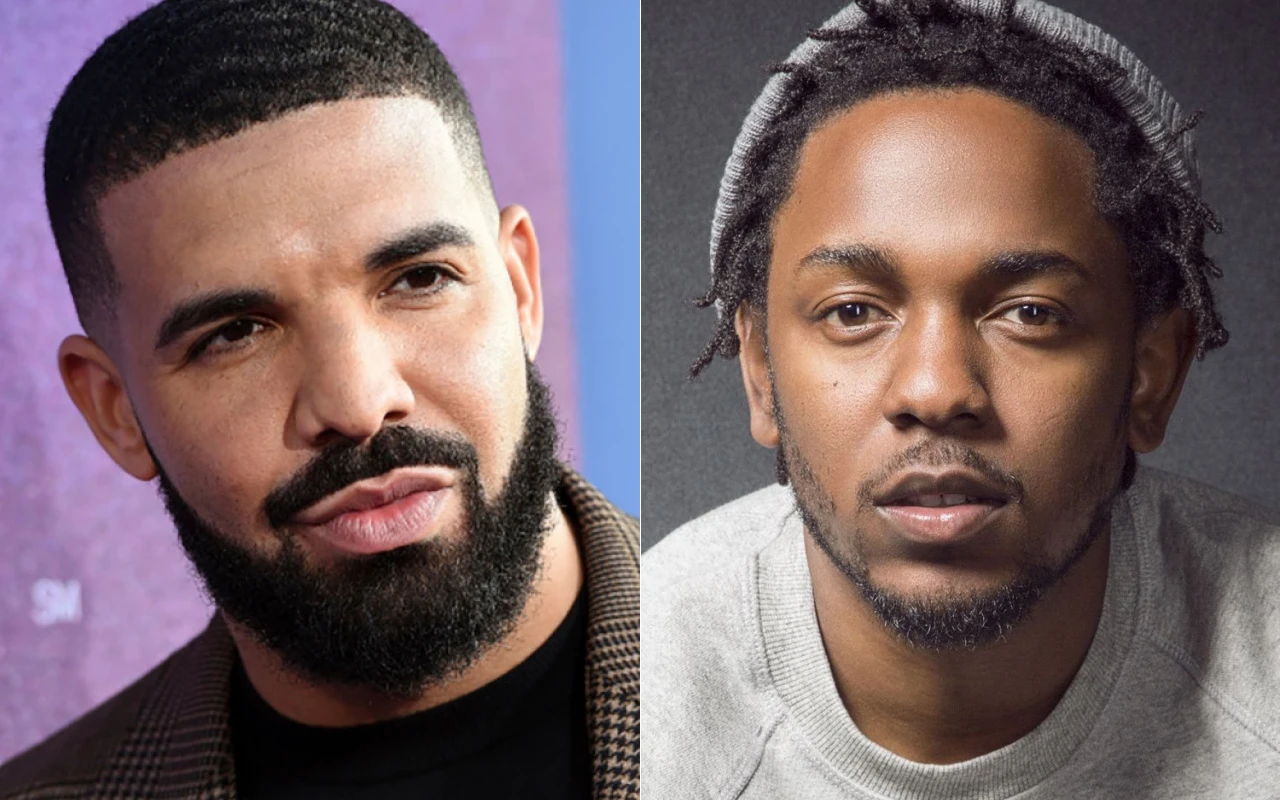
UMG warns Drake's lawsuit over Kendrick Lamar's "Not Like Us" lyric threatens the creative core of Hip-Hop. Read the latest legal battle.
- March 29, 2026
AceShowbiz - Universal Music Group has strongly countered the recent appeal filed by Drake in the ongoing "Not Like Us" defamation lawsuit, warning that his legal approach risks undermining the foundational elements of Hip-Hop.
In court documents submitted last Friday, UMG’s legal team argued that Drake is attempting to reinterpret a diss track lyric as a factual claim, a move that could erode the genre’s creative essence built on wordplay, exaggeration, and insult. The label’s response emphasized that this lawsuit, which originally stemmed from Kendrick Lamar’s "Not Like Us," should never have progressed beyond initial dismissal.
The dispute began when Drake sued UMG in January 2025 following the release of Kendrick Lamar’s song in May 2024, which included a lyric accusing him of being a "certified pedophile." A federal judge dismissed the case in October, ruling that reasonable listeners would not interpret rap insults as factual statements. However, Drake appealed that ruling in January, claiming that millions were misled by the lyric and that his reputation suffered tangible harm.
UMG’s lawyers countered this by stressing that Drake’s argument disregards the legal protections afforded to artistic expression within Hip-Hop. "That is not the law, and Drake’s view would critically undermine a highly creative art form built on exaggeration, insult, and wordplay," the brief stated, according to Billboard.
The label also highlighted that Drake himself has previously traded harsh accusations against Kendrick Lamar, including claims about domestic violence and disputed paternity. The legal response underscored that such provocative exchanges are intrinsic to rap battles and the genre as a whole.
UMG’s filing further explained that "'Not Like Us' falls within a genre typified by inflammatory putdowns, epithets, vulgarity, and hyperbole," meaning that removing lyrics from their artistic context to claim defamation lacks any legal basis.
Finally, the team referenced the ruling by Judge Jeannette Vargas, who made clear that hyperbolic opinions in rap are not defamatory because no reasonable person would interpret them as provable facts. This precedent remains a key defense against claims like the one Drake is pursuing.
As the appeal moves forward, this clash highlights the ongoing tension between artistic freedom in Hip-Hop and the boundaries of legal interpretation when it comes to provocative lyrics.