Former Sony CEO Michael Lynton reveals the personal fallout from greenlighting The Interview, the film that triggered a devastating hack, in his new book on ...
- March 22, 2026
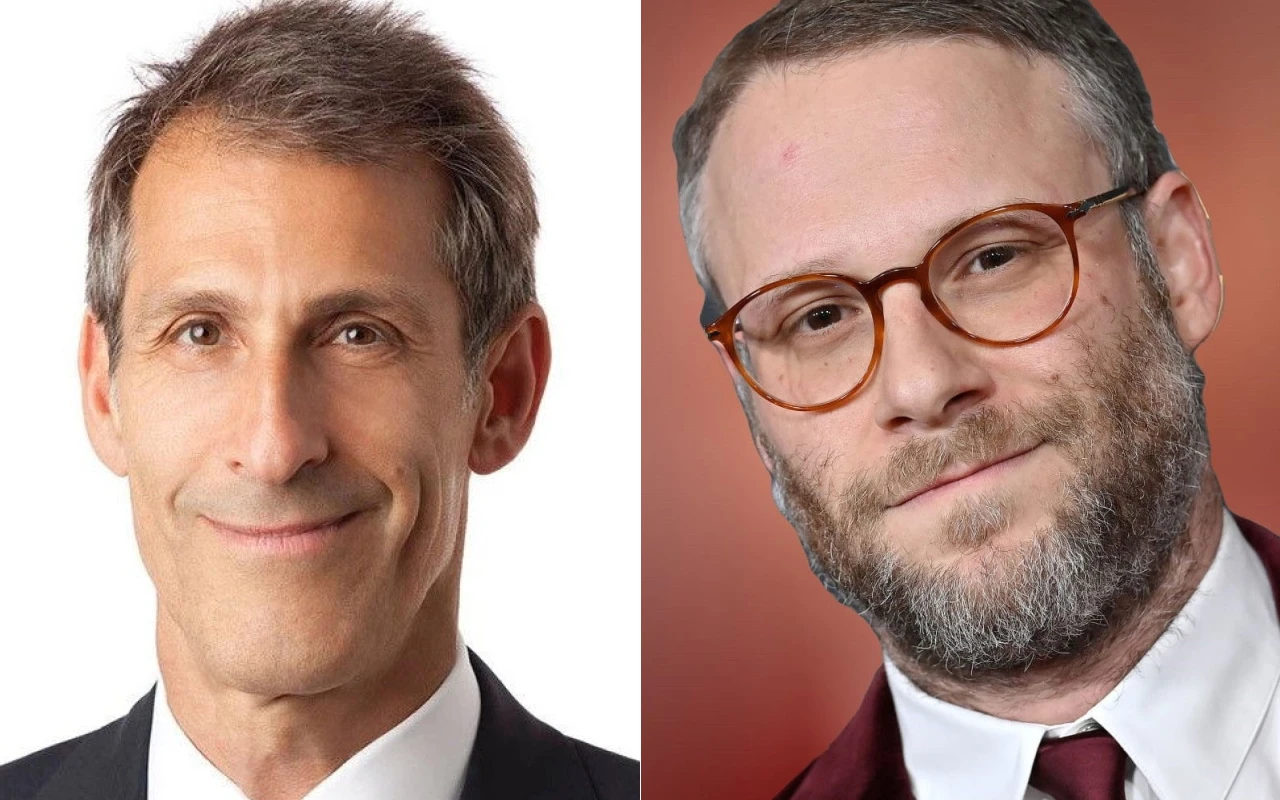
AceShowbiz - Michael Lynton, the former CEO of Sony Pictures Entertainment, has opened up about one of the most controversial moments of his career: the decision to greenlight The Interview, the 2014 Seth Rogen comedy that sparked a major cyberattack. For years, Lynton avoided discussing the project and its fallout, but he recently co-authored a book that delves into the mistakes people make and the personal impact of those errors.
In the book From Mistakes to Meaning: Owning Your Past So It Doesn't Own You, Lynton reveals how his quick approval of the film—a satirical story about journalists plotting to assassinate North Korea’s leader—unleashed one of the worst hacks in corporate history, causing embarrassment, anger, and distress for him and his family. The former executive admits that for a long time, he wanted to forget the entire episode and bury the painful memories.
His perspective began to change when he teamed up with longtime friend and former Treasury Department chief of staff Joshua Steiner. The pair decided to explore their own personal mistakes with the help of a psychology professor from Johns Hopkins University, Alison Papadakis. That process helped Lynton confront the shame and embarrassment he had been carrying and inspired him to write openly about the experience.
“Josh pointed out that I kept deflecting whenever the topic came up,” Lynton said in a recent interview from his New York home. “It was a mistake, yes—the decision to proceed with The Interview—and it resulted in the devastating cyberattack. But once we worked through it, I found relief in being honest and transparent.”
The book not only chronicles Lynton’s story but also examines mistakes made by other well-known figures such as Joanna Coles and Malcolm Gladwell, seeking to understand why these errors happen and the lessons they teach. Lynton’s candidness about the Sony hack and the political controversy it ignited has caught the attention of Hollywood insiders and the public alike.
President Obama famously asked Lynton, “What were you thinking when you made killing the leader of a hostile foreign nation a plot point?” Such reactions underscore the high stakes involved in the decision and the unprecedented challenges Sony faced.
Lynton, who stepped down from Sony in 2017 and now chairs Snap Inc., also shared his thoughts on the latest Seth Rogen film, The Studio, the ongoing production migration away from Los Angeles, and the massive $111 billion merger of Paramount and Warner Bros. Discovery.
When asked why he chose to write a book centered on a mistake he had long avoided discussing, Lynton explained, “This book is broader than just my story, but Josh’s idea was to confront mistakes head-on. I had buried the incident for about five years, but through our conversations and professional guidance, I realized opening up could help both of us heal.”
The experience transformed his attitude. “It actually worked. I’m now willing to talk about it openly, which is a huge relief.”
Since the book’s release, Lynton has been surprised by the feedback. Many people questioned his willingness to be so honest, especially in Hollywood, where admitting failure is rare. “It’s not the norm,” he acknowledged. “People aren’t eager to say ‘I screwed up.’”
However, he was also touched by how many others shared similar feelings of wanting to belong but never feeling fully accepted. “That resonated with me deeply.”
Regarding communication with those involved in The Interview, Lynton said he has had limited contact since the hack. He has spoken with Amy Pascal, the studio head at the time, but not many others.
Seth Rogen recently remarked that a frustrating aspect of the controversy was that The Interview “was not viewed as a good movie.” Lynton responded thoughtfully: “People who have seen it often tell me it’s hilarious and well done. Seth made a funny, good movie.”
He emphasized that the fight to release the film was about principle, not just quality. “Once a company decides to release something, you can’t selectively censor it based on subjective standards,” he said. “When a foreign government threatened us to block the movie, we had no choice but to release it. It was about standing against censorship.”
When asked about his relationship with Seth Rogen following the events, Lynton acknowledged they hadn’t spoken much but hinted that the process of writing and reflecting might open doors to dialogue.
Michael Lynton’s journey from avoiding the painful chapter of The Interview to embracing it in his new book shows a rare vulnerability and insight into leadership mistakes in Hollywood’s high-stakes environment. His experience offers a compelling look at the complexities of decision-making under pressure and the power of owning one’s past to move forward.