DJs face a new threat: clout deepfakes. Fake videos steal fame, deceive fans, and undermine the struggling dance music industry.
- March 14, 2026
AceShowbiz - The dance music scene has been facing numerous challenges lately, from widespread club closures to the cancellation of major events fueled by increased violence in American cities. Now, the industry is confronting a troubling new development: the rise of clout deepfakes among DJs.
This emerging trend manifests primarily in two ways. The most common involves lesser-known dance producers appropriating footage of prominent DJs performing to energetic crowds. These producers then overlay their own tracks onto the videos, share them on social media, and falsely claim the popularity and momentum typically associated with those performances. This practice deceives not only fans but potentially record labels as well, blurring the lines between genuine success and manufactured hype.
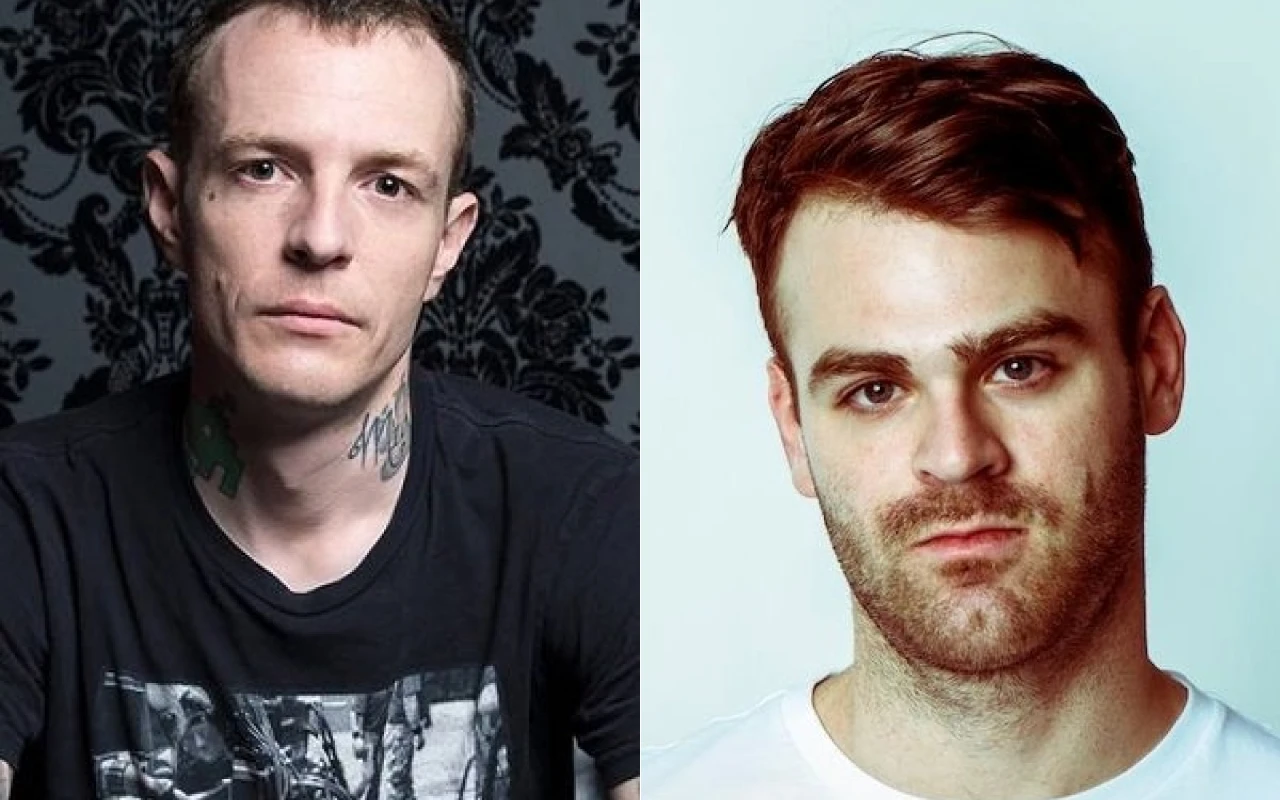
The issue first gained widespread attention in early January when Alex Pall, one half of the Chainsmokers, addressed the phenomenon on LinkedIn. Pall described the trend as "kind of genius, kind of dishonest," noting its fascinating yet problematic nature. He explained how the average viewer perceives these videos as evidence of a track gaining traction and building momentum. However, in reality, the popularity is fabricated by simply replacing the original music in the clip with someone else's song. Pall pointed out the troubling implications, questioning the meaning of "support" in an environment where such manipulation can easily simulate success. While he declined further comment to Rolling Stone, his initial remarks sparked significant discussion within the EDM community.
Compounding this issue, the clout deepfake has escalated to a more alarming stage involving artificial intelligence. On February 11, deadmau5 publicly disclosed an incident where an AI-generated video was used to depict him endorsing another DJ and their music. Although the AI voice wasn't perfectly replicated, it was convincing enough to mislead viewers. In his characteristic candid manner, deadmau5 criticized the misuse of technology and warned that such AI-generated impersonations would likely become more prevalent.
Speaking to Rolling Stone while on tour in South America, deadmau5 confirmed that the individual behind this AI impersonation was previously unknown to him and described the person simply as "a fan that came out of the woodwork." He emphasized the unprecedented nature of this situation, stating it was the first time anyone he knows had been targeted in this way. He acknowledged the rapid advancement of technology and the eagerness of some to exploit it, stressing the urgent need for creators to maintain control over their own likenesses, voices, and creative outputs. deadmau5 underscored the necessity for legal protections to keep pace with technological developments.
In response to these emerging threats, deadmau5's attorney, Dina LaPolt, is spearheading a bipartisan legislative effort known as the NO FAKES Act of 2025. The bill, supported by Senators Blackburn, Coons, Tillis, Klobuchar, and Representatives Salazar, Dean, Moran, and Balint, aims to establish new intellectual property rights specifically covering an individual’s voice and likeness. LaPolt explained in an email to Rolling Stone that this legislation would offer statutory protections comparable to those for copyright and trademark. She emphasized that the bill addresses risks faced not only by celebrities but by athletes, journalists, and everyday people, highlighting the real damage deepfakes and voice cloning can cause including career sabotage, scams, public misinformation, and emotional distress.
Despite these legal initiatives, technological innovation continues to outpace regulation. Industry experts suggest this type of manipulation was almost inevitable given broader shifts in the music business, particularly within EDM.
Lawrence Jones, a creative executive at the UK-based agency Mutual Friends, has observed these changes firsthand. Reflecting on his experience since 2015, Jones noted how the dominant format for video content has radically transformed. "When I first started, vertical video did not exist; everything was horizontal," he said. Back then, video content was a supplementary promotional tool, but now it accounts for around 80 percent of marketing efforts, a dramatic increase from the previous 15 to 20 percent. This shift has completely upended traditional promotional strategies.
This evolution aligns with the changing economic realities of EDM promotion over recent years. Martin Kandja Kabamba, who heads the London agency NOAB, explained that major record labels’ approach to electronic artists has fundamentally shifted. In the past, all of Kabamba’s clients were signed to major deals, but today, only two out of sixteen artists he manages have major label contracts. Labels have largely stopped signing electronic musicians to long-term deals, often limiting themselves to one-off single releases. This trend is supported by the low-cost effectiveness of promoting singles with eye-catching social media clips on platforms like Instagram and TikTok.
Kabamba further noted that full album campaigns have become increasingly costly and less profitable. An artist on his roster released an album independently last year and concluded the effort wasn't financially worthwhile compared to releasing a series of singles. The singles economy thrives because it aligns with how music is consumed on social media, eliminating the need for prolonged marketing campaigns and large social teams supporting an artist’s digital presence over an extended period.
With long-term artist development programs largely dismantled, the responsibility now falls squarely on emerging artists to capture attention by any means possible. Kabamba observed that many record labels today sign artists based primarily on viral reactions to short clips rather than traditional scouting or development. This environment creates fertile ground for the misuse of clips and deepfakes to artificially inflate visibility and manipulate the system.
When asked how much online exposure an aspiring artist needs to attract major label interest, Kabamba estimated a threshold of at least ten million views. Anything below that is often overlooked in the vast social media landscape. This high bar incentivizes some newcomers to resort to deceptive practices such as faking crowd reactions or endorsements to simulate success.
Given these circumstances, the recent surge in fake co-signs and manipulated videos is unlikely to be a passing phase. Kabamba concluded that, rather than being mere mistakes by inexperienced artists, such tactics may now represent the new norm—the very "ropes" that many are learning to navigate in today’s music industry.
Ultimately, the rise of clout deepfakes and AI-generated impersonations poses a significant challenge for the dance music community and the broader music business. As technology advances faster than regulation and traditional industry structures erode, artists, labels, and lawmakers must grapple with how to preserve authenticity, protect creative rights, and maintain trust in an era of digital deception.