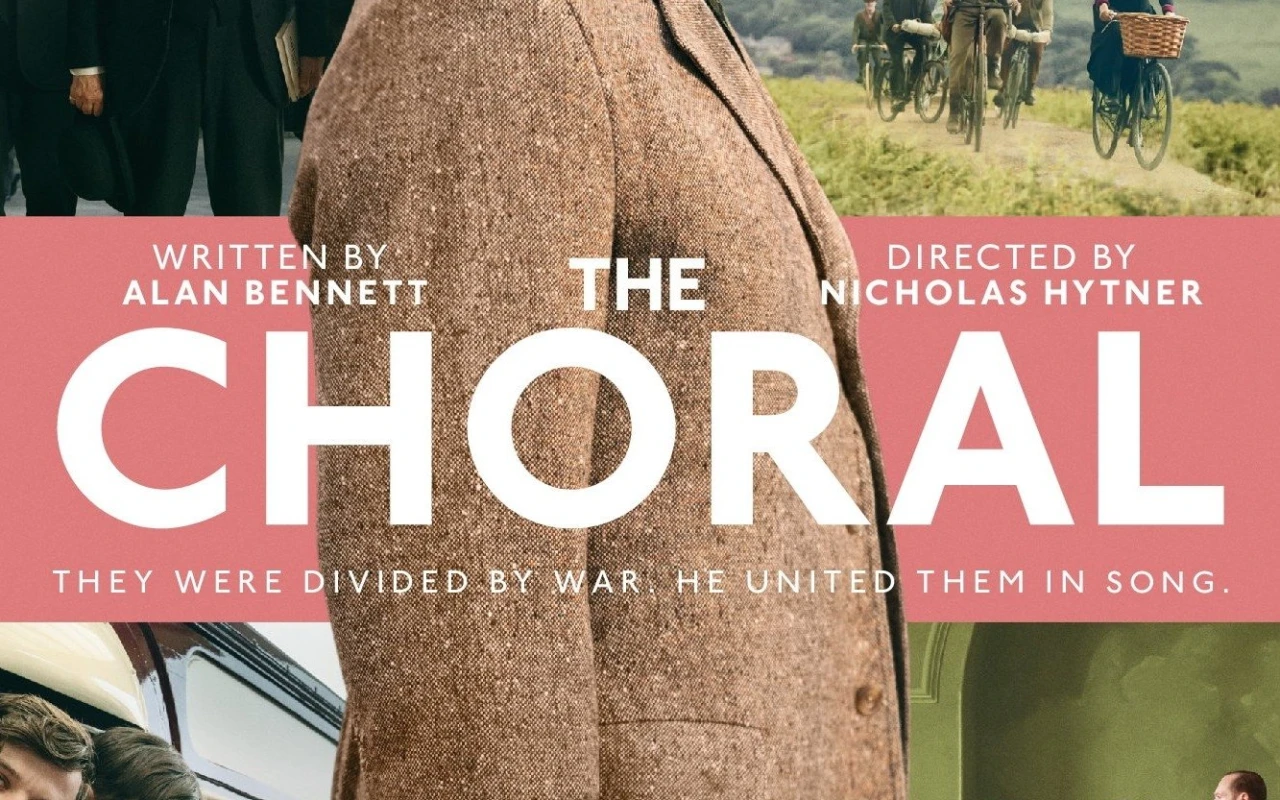
Alan Bennett & Nicholas Hytner's "The Choral" offers a fresh WWI take. A village choir's patriotism clashes with Elgar's haunting music, challenging cozy war...
- October 20, 2025
AceShowbiz - The latest collaboration between acclaimed writer Alan Bennett and director Nicholas Hytner arrives on screen with The Choral, a wartime narrative that, while initially appearing pleasant and low-key, subtly defies conventional expectations. This fourth cinematic partnership between the duo offers a refreshing take on a period often depicted with familiar sentimentality, proving most compelling when it challenges its own cozy facade.
Set amidst the grim backdrop of the First World War, the film immediately establishes its central thematic conflict. An English village choir, upon hearing news from the front, erupts into a lusty, spontaneous rendition of "God Save the King." This patriotic fervor sharply contrasts with their ongoing, rather uninspired rehearsal of Edward Elgar’s intricate and haunting oratorio, The Dream of Gerontius. It’s a moment that prompts Dr. Henry Guthrie, the refined choirmaster impeccably portrayed by Ralph Fiennes, to express his exasperation. "If only you sang Elgar with the confidence you sing the national anthem," he mutters, encapsulating his profound belief that "Art counts for a lot more than patriotism."
The delightful surprise of Nicholas Hytner’s film is its unwavering allegiance to Dr. Guthrie's perspective. Despite its seemingly twee, veddy English trappings, The Choral takes a firm stance, suggesting that the pursuit of artistic excellence and emotional depth can offer a more profound and lasting solace than jingoistic pride, especially during times of conflict. Ralph Fiennes delivers a nuanced performance, embodying a character whose quiet conviction becomes the film's moral compass.
As the narrative unfolds, The Choral evolves beyond a simple historical drama. It becomes a testament to the power of art as a form of gentle rebellion against the prevailing sentiments of its era. This sweet-sounding but gently rebellious oratorio, as the original review aptly describes it, resonates deeply, offering a thought-provoking exploration of duty, devotion, and the enduring human spirit through the lens of artistic expression.