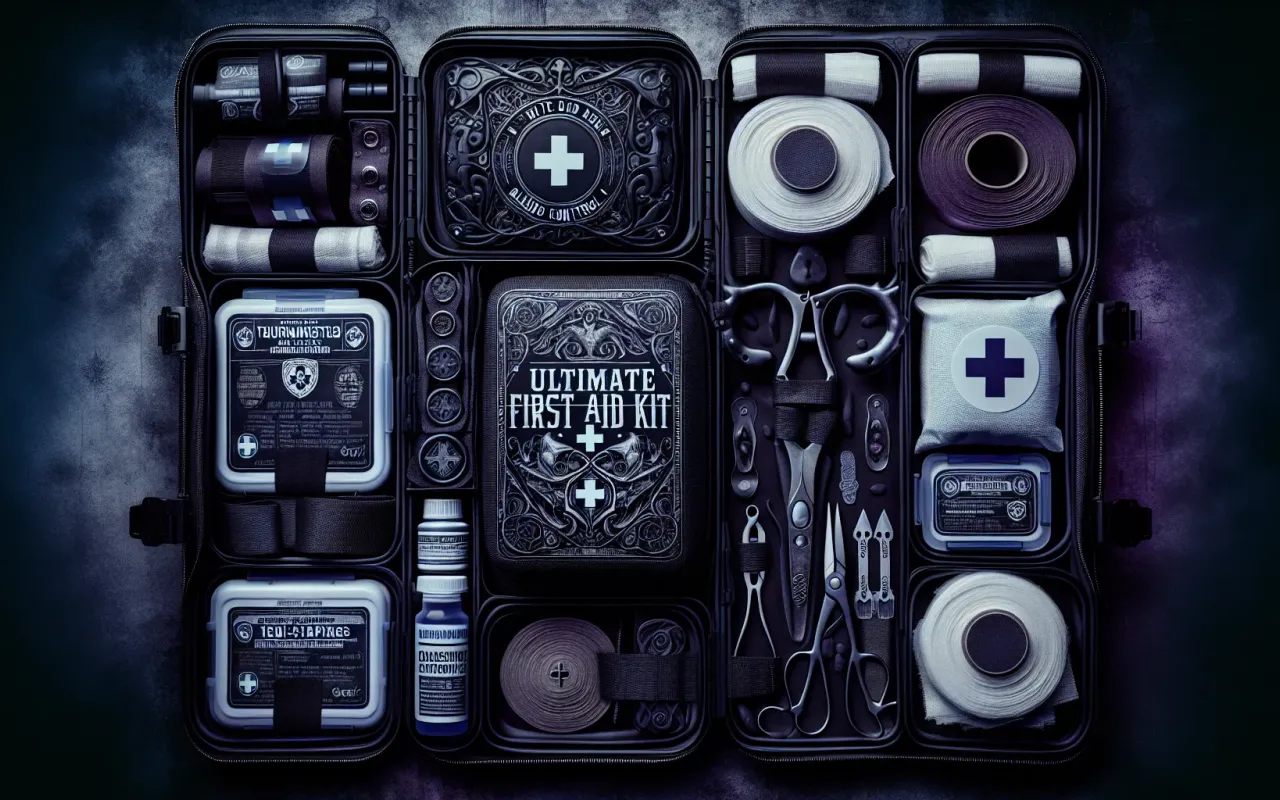
Discover the essential components of the ultimate first aid kit for bleeding control. Stay prepared to manage bleeding emergencies effectively and save lives.
- November 25, 2024
Introduction
Accidents can happen anytime and anywhere. Being prepared with a well-equipped first aid kit for bleeding control can mean the difference between life and death. Whether you're at home, in the car, or enjoying the great outdoors, having the right tools and knowledge to manage bleeding emergencies is crucial. This article will walk you through the components of an effective first aid kit for bleeding control, how to use them, and essential tips for staying prepared.
The Importance of Bleeding Control
Uncontrolled bleeding is a leading cause of preventable death in trauma situations. Quick and effective bleeding control can significantly improve the chances of survival until professional medical help arrives. A well-prepared first aid kit for bleeding control not only empowers you to act swiftly during emergencies but also provides peace of mind knowing that you are equipped to handle such situations.
Essential Components of a First Aid Kit for Bleeding Control
1. Tourniquets
Tourniquets are critical for stopping severe arterial bleeding in limbs. The Combat Application Tourniquet (CAT) and the SOF Tactical Tourniquet (SOFTT) are widely recommended for their effectiveness and ease of use. Learn how to properly apply a tourniquet to ensure maximum efficiency.
2. Hemostatic Agents
Hemostatic agents, such as QuikClot or Celox, are designed to accelerate the clotting process and can be lifesaving in severe bleeding situations. These agents come in various forms, including gauze and powder, and should be an integral part of your first aid kit for bleeding control.
3. Pressure Dressings
Pressure dressings, like the Israeli Bandage, provide both a sterile wound cover and the ability to apply significant pressure to control bleeding. They are versatile and can be used for various types of wounds, making them a must-have in any first aid kit.
4. Gauze Pads and Rolls
Sterile gauze pads and rolls are essential for wound packing and covering wounds. They help absorb blood and maintain a clean environment, reducing the risk of infection. Combine them with pressure dressings or hemostatic agents for optimal bleeding control.
5. Medical Tape and Elastic Bandages
Medical tape and elastic bandages are necessary for securing dressings, gauze, and other wound coverings in place. They provide additional support and ensure that the applied pressure remains effective.
6. Trauma Shears
Trauma shears are designed to cut through clothing, seatbelts, and other obstructions with ease. This allows quick access to wounds and facilitates prompt treatment.
7. Gloves
Non-latex gloves protect both the rescuer and the patient from cross-contamination and infection. Ensure you have multiple pairs in your first aid kit to handle multiple casualties or prolonged incidents.
How to Use Your First Aid Kit Effectively
1. Assess the Situation
Quickly and calmly assess the situation to determine the severity of the bleeding and the best approach for control. Look for sources of bleeding, assess the patient's overall condition, and prioritize life-threatening injuries.
2. Apply Immediate Pressure
For less severe bleeding, apply direct pressure with gauze or a clean cloth. Elevating the injured area can also help slow down the bleeding.
3. Use a Tourniquet
For more severe arterial bleeding, quickly apply a tourniquet above the injury site. Tighten it until the bleeding stops and note the time of application. Do not remove the tourniquet until professional medical help arrives.
4. Apply Hemostatic Agents
If a tourniquet is not suitable, use hemostatic agents to promote clotting. Pack the wound with hemostatic gauze and apply pressure.
5. Secure with Bandages
After controlling the bleeding, secure the wound with pressure dressings, gauze, and medical tape. Continue to monitor the patient for signs of shock and administer additional aid as needed.
Tips for Staying Prepared
1. Regularly Check and Replenish Your Kit
Ensure that your first aid kit is always ready for use by regularly checking and replenishing its contents. Replace any used or expired items promptly.
2. Practice First Aid Skills
Having the right equipment is essential, but knowing how to use it effectively is equally important. Take first aid courses and regularly practice your skills to stay prepared.
3. Educate Others
Share your knowledge and skills with family members, friends, and co-workers. The more people who are trained in first aid and bleeding control, the safer your community will be.
Conclusion
Having a well-equipped first aid kit for bleeding control is a crucial step in staying prepared for emergencies. By understanding the importance of bleeding control, knowing the essential components of your kit, and mastering how to use them effectively, you can significantly enhance your ability to save lives. Regularly check and replenish your kit, practice your first aid skills, and share your knowledge with others to create a safer environment for everyone. Remember, preparedness is key to effective emergency response.