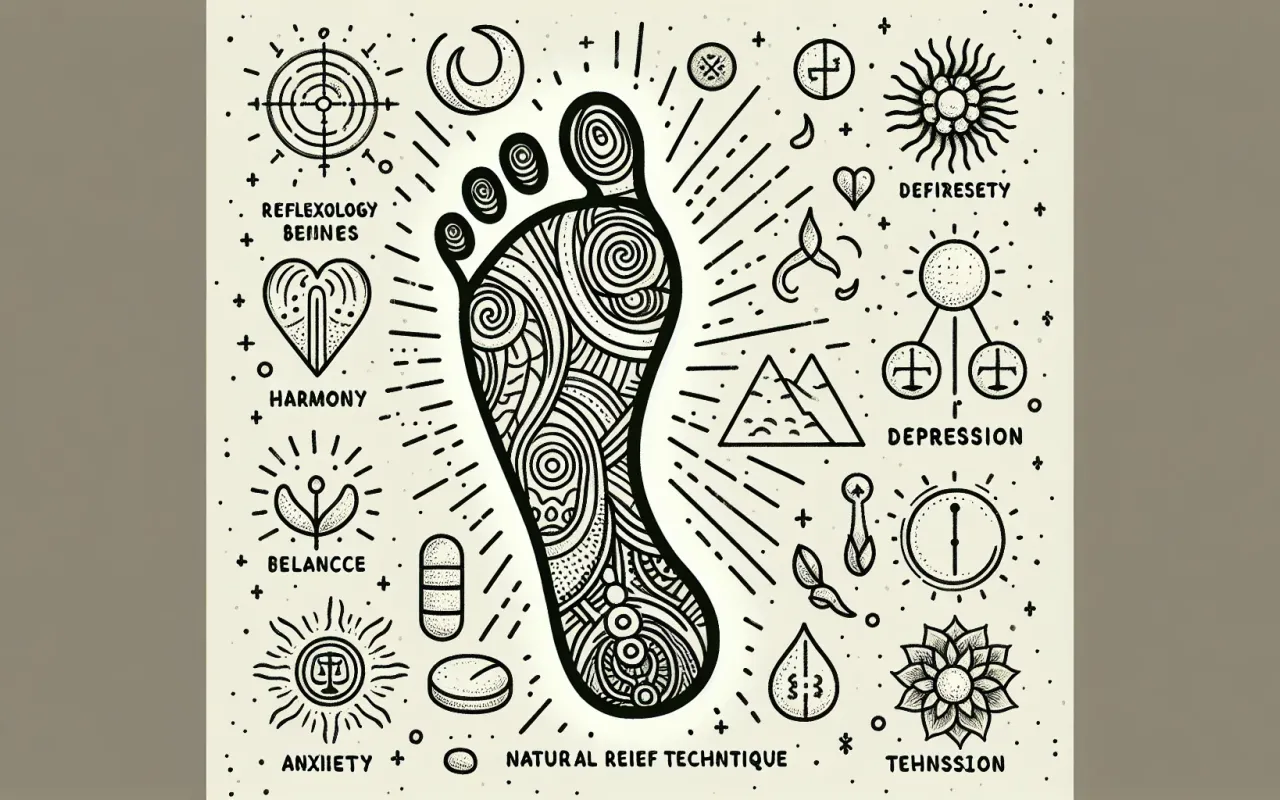
Discover the 10 proven benefits of reflexology for anxiety and depression. Learn how natural relief techniques can help alleviate mental health symptoms.
- November 23, 2024
In today's fast-paced world, anxiety and depression have become common concerns for many individuals. While there are various treatment options available, one natural and effective method that has gained attention is reflexology. This article explores 10 proven benefits of using reflexology for anxiety and depression, and how these natural relief techniques can significantly improve mental health.
What is Reflexology?
Reflexology is a type of alternative therapy that involves applying pressure to specific points on the feet, hands, and ears. These points are believed to correspond to different organs and systems in the body. By stimulating these points, reflexologists aim to promote health and well-being throughout the body. Reflexology has been used for centuries and is based on the principle that certain areas of the body are connected energetically to specific organs and bodily systems.
How Reflexology Helps with Anxiety and Depression
Anxiety and depression are complex mental health conditions that can significantly affect an individual's quality of life. Reflexology for anxiety and depression works by targeting the central nervous system and encouraging the body to relax, which in turn can reduce symptoms. Here are 10 proven benefits of reflexology for managing anxiety and depression:
1. Promotes Relaxation
One of the primary benefits of reflexology is its ability to promote relaxation. Through the gentle manipulation of pressure points, reflexology can help calm the mind and induce a state of tranquility.
2. Reduces Stress
Stress is a significant contributor to both anxiety and depression. Reflexology helps reduce stress by lowering cortisol levels in the body, thereby alleviating mental and physical tension.
3. Improves Sleep Quality
Many individuals with anxiety and depression struggle with sleep disturbances. Reflexology can help improve sleep quality by regulating the body's natural sleep-wake cycle and promoting deeper, more restful sleep.
4. Enhances Mood
Reflexology can stimulate the production of endorphins, the body's natural "feel-good" chemicals. This can lead to an improved mood and overall sense of well-being.
5. Alleviates Physical Symptoms
Anxiety and depression often manifest with physical symptoms such as headaches, muscle tension, and digestive issues. Reflexology can help alleviate these symptoms by promoting overall bodily relaxation and improving circulation.
6. Supports Immune Function
Chronic stress and anxiety can weaken the immune system. Reflexology can boost immune function by enhancing lymphatic drainage and encouraging the elimination of toxins.
7. Enhances Mental Clarity
Mental fog and difficulty concentrating are common in people with anxiety and depression. Reflexology can improve mental clarity and cognitive function by increasing blood flow to the brain.
8. Encourages Emotional Release
Reflexology can facilitate emotional release by helping individuals process and express pent-up emotions. This can be particularly beneficial for those dealing with depression.
9. Provides a Sense of Control
Engaging in reflexology can give individuals a sense of control over their mental health, empowering them to take active steps towards their well-being.
10. Complements Other Treatments
Reflexology can complement other treatments for anxiety and depression, such as medication and therapy, by providing additional relief and enhancing overall treatment outcomes.
Conclusion
Reflexology for anxiety and depression offers a range of benefits that can help individuals manage their symptoms more effectively. By promoting relaxation, reducing stress, and improving overall well-being, reflexology serves as a valuable tool in the holistic treatment of mental health issues. If you're considering reflexology as part of your approach to managing anxiety or depression, consulting a qualified reflexologist can help you achieve the best results.