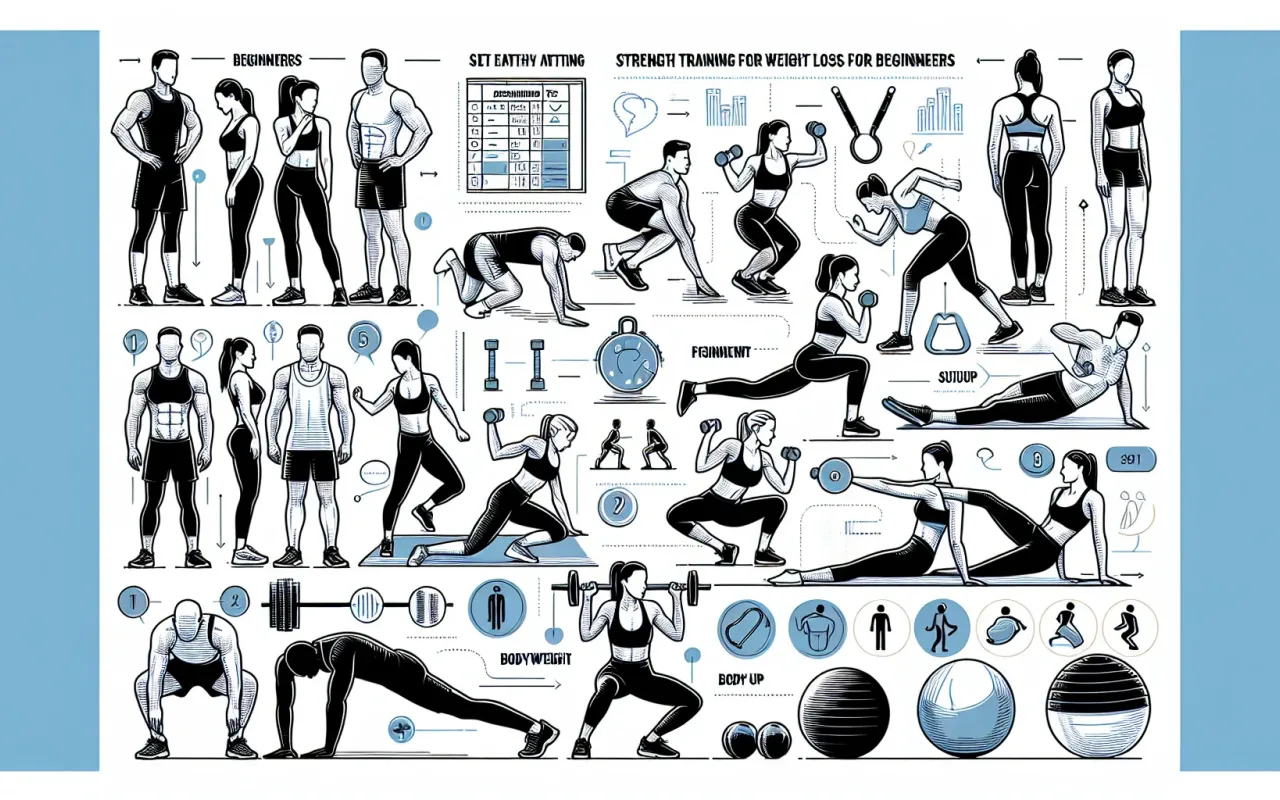
Learn how to start strength training for weight loss with this comprehensive beginner’s guide. Get tips on exercises, routines, and strategies for effective weight loss.
- November 22, 2024
Strength training is a powerful tool for weight loss, providing numerous health benefits beyond just shedding pounds. If you're new to this form of exercise, you might be wondering how to start strength training for weight loss effectively. This guide will walk you through the essentials to help you embark on your strength training journey with confidence.
Why Strength Training for Weight Loss?
Before diving into how to start strength training for weight loss, it's important to understand why this method is so effective. Strength training, also known as resistance training, helps build muscle mass, which in turn increases your resting metabolic rate (RMR). A higher RMR means you burn more calories even when you are at rest, making weight loss easier and more sustainable.
Getting Started with Strength Training
Consult a Professional
Before starting any new fitness regimen, it's wise to consult a healthcare provider, especially if you have any existing health conditions. Additionally, consider working with a certified fitness trainer to ensure proper form and technique, which can help prevent injuries.
Define Your Goals
Establishing clear and realistic goals is crucial when beginning strength training for weight loss. Your goals might include losing a certain amount of weight, toning specific muscle groups, or improving overall strength. Having defined targets will keep you motivated and allow you to track your progress more effectively.
Choose the Right Equipment
Investing in the right equipment can make a significant difference in your training. Basic equipment you might need includes dumbbells, resistance bands, and a stability ball. Don't feel pressured to buy everything at once; many exercises can be performed with minimal equipment or even bodyweight alone.
Learn Fundamental Exercises
If you're wondering how to start strength training for weight loss, mastering basic exercises is a great place to start. Here are some foundational movements:
- Squats: Excellent for building lower body strength.
- Deadlifts: Target your back, core, and legs.
- Bench Press: Ideal for upper body strength.
- Planks: Great for core stability and strength.
- Rows: Effective for back and shoulder muscles.
Creating an Effective Strength Training Routine
Frequency and Duration
For beginners, aim to include strength training in your routine 2-3 times per week. Each session can last between 45-60 minutes. It's essential to allow your muscles time to recover, so avoid working the same muscle groups on consecutive days.
Warm-Up and Cool Down
A proper warm-up prepares your body for exercise and reduces the risk of injury. Spend 5-10 minutes engaging in light cardio activities like walking or jogging and dynamic stretches. Similarly, cooling down with static stretching can help in muscle recovery and flexibility.
Progression and Variation
As you become more comfortable with your strength training routine, gradually increase the weights and intensity to continue challenging your muscles. Incorporate different exercises and change your routine every 4-6 weeks to prevent plateaus and keep your workouts engaging.
Nutritional Considerations
Nutrition plays a pivotal role in weight loss and muscle building. Consuming a balanced diet with the right macronutrients—proteins, carbohydrates, and fats—is essential. Here are some tips:
- Proteins: Necessary for muscle repair and growth. Include lean meats, fish, eggs, and legumes.
- Carbohydrates: Provide energy for your workouts. Opt for whole grains, fruits, and vegetables.
- Fats: Essential for overall health. Include healthy fats like avocados, nuts, and olive oil.
Staying hydrated is equally important, as water is vital for every cellular function, including muscle repair and fat metabolism.
Tracking Progress and Staying Motivated
Measure Results
Tracking your progress is crucial to staying motivated. Keep a workout journal to log your exercises, sets, and reps. Periodically measure your body metrics like weight, body fat percentage, and circumferences of different body parts to gauge progress.
Set Milestones and Reward Yourself
Break down your larger goals into smaller, achievable milestones. Celebrate these victories, whether it's by treating yourself to a new workout outfit or a relaxing day off. Rewards can provide additional motivation and a sense of accomplishment.
Common Mistakes to Avoid
- Skipping Warm-Up: Increases the risk of injury.
- Overtraining: Leads to burnout and potential injuries.
- Ignoring Form: Proper form prevents injuries and ensures effectiveness.
- Neglecting Nutrition: Fuel your body adequately for performance and recovery.
Strength training is a powerful and efficient way to achieve weight loss and improve overall health. By understanding the basics of how to start strength training for weight loss, setting realistic goals, and maintaining a well-balanced diet, you are setting yourself up for success. Remember that consistency and patience are key, and with time, your efforts will yield significant results.