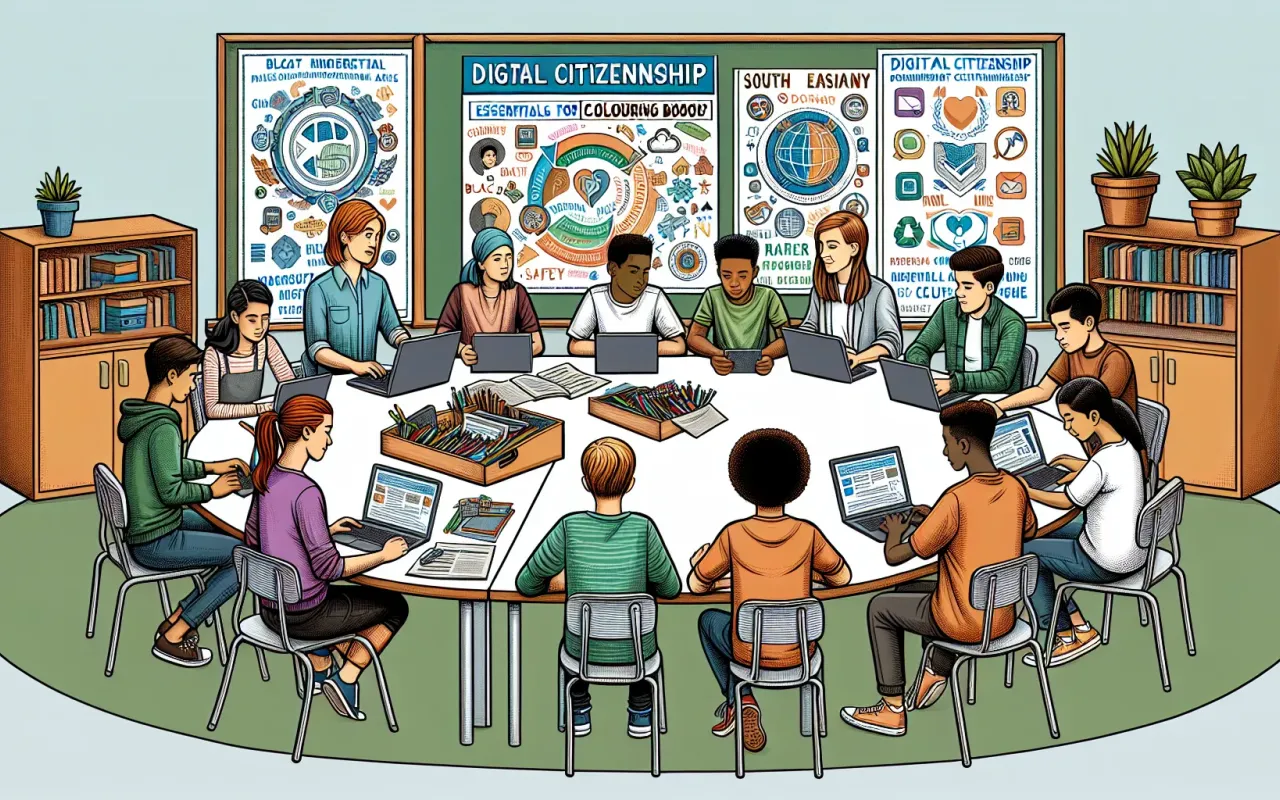
Learn how an essential digital citizenship curriculum for high school students can prepare them for the digital future.
- November 17, 2024
AceShowbiz - As the digital age continues to evolve, it is imperative that high school students are equipped with the knowledge and skills to navigate and thrive in this new landscape. An essential digital citizenship curriculum for high school can be the cornerstone of this preparation. This curriculum not only enhances students' digital literacy but also prepares them to be responsible digital citizens.
What Is Digital Citizenship?
Digital citizenship refers to the responsible and ethical use of technology by individuals. It encompasses understanding how to operate digital tools, navigate the internet safely, engage in respectful online communication, and recognize and combat cyberbullying. The goal is to create an environment where students can thrive both academically and socially in a digital-first world.
Why Is a Digital Citizenship Curriculum for High School Important?
Develops Critical Thinking Skills
One of the primary benefits of a digital citizenship curriculum for high school is the development of critical thinking skills. Students learn how to evaluate online sources for reliability and credibility, distinguishing between factual information and misinformation. This ability is crucial in an age where digital content is both abundant and often misleading.
Promotes Digital Literacy
Digital literacy is foundational to navigating the modern world. A well-rounded digital citizenship curriculum ensures that students are proficient in using various digital tools, platforms, and software. It also educates them on the ethical and responsible use of technology, including the legal implications of online behaviors.
Encourages Safe Online Practices
With the increased use of internet and digital platforms, students are exposed to various online threats, including cyberbullying, identity theft, and digital addiction. A comprehensive curriculum educates students on these risks and promotes safe online practices, such as strong password creation and recognizing phishing attempts.
Fosters Positive Online Behavior
Positive online behavior is critical for maintaining a healthy digital community. The curriculum can teach students the importance of respectful online interactions, the impact of digital footprints, and the long-term consequences of negative online behavior. This fosters a more inclusive and respectful digital community.
Key Components of an Effective Digital Citizenship Curriculum
1. Internet Safety
Internet safety should be a cornerstone of any digital citizenship curriculum. This includes educating students on the dangers of sharing personal information online, recognizing and avoiding online predators, and safeguarding their digital identities.
2. Cyberbullying Awareness and Prevention
Cyberbullying is a pervasive issue in today's digital landscape. Curriculum should address the different forms of cyberbullying, offer strategies for prevention, and provide resources for students who may be victims of such behavior. This not only helps in mitigating the issue but also fosters a supportive school environment.
3. Digital Footprint Management
Students need to understand that their online actions leave a lasting impression—known as a digital footprint. Lessons should cover how to manage, clean, and protect their digital footprints, as well as the long-term consequences of a negative online presence.
4. Media Literacy
In a world overflowing with information, media literacy is critical. Students should be taught how to critically assess and evaluate the information they encounter online, identify biases, and recognize false or misleading content.
5. Ethical Online Behavior
Promoting ethical behavior online includes educating students about copyright laws, the importance of crediting sources, and the ethical use of digital tools and social media platforms. Encouraging integrity in an online setting mirrors the values that should be upheld in the physical world.
Implementing Digital Citizenship Curriculum in Schools
Professional Development for Educators
Educators need to be well-versed in digital citizenship themselves to effectively teach the curriculum. Schools should invest in professional development programs that provide educators with the resources and training necessary to deliver comprehensive digital citizenship education.
Integrating Across Subjects
Digital citizenship should not be confined to a single course or subject. Integrating it across different subjects, such as English, Social Studies, and even Science, ensures that students understand the importance of digital citizenship in various contexts.
Engaging Students with Interactive Content
Interactive content, such as e-learning modules, quizzes, and group discussions, can make digital citizenship lessons more engaging and impactful. Utilizing modern educational technology helps to resonate with students and enhances their learning experience.
Challenges in Teaching Digital Citizenship
While the importance of a digital citizenship curriculum for high school students is clear, there are challenges to its implementation.
Keeping Up with Technological Advancements
Technology evolves rapidly, and what is relevant today may become outdated tomorrow. Schools and educators must stay abreast of technological trends and continually update the curriculum to reflect the latest tools and threats in the digital world.
Resource Constraints
Many schools struggle with limited resources, making it challenging to implement a comprehensive digital citizenship curriculum. Securing funding for professional development, educational software, and other resources is critical.
Student Engagement
Engaging students in digital citizenship can be challenging, especially if they do not see the immediate relevance of the lessons. It is important to create a curriculum that is not only informative but also relatable and engaging for students.
Future Trends in Digital Citizenship Education
As we look toward the future, digital citizenship education will continue to evolve. Trends such as personalized learning experiences, gamification, and the integration of artificial intelligence can make digital citizenship more engaging and effective. Additionally, global collaboration on digital citizenship initiatives can help create a more standardized and worldwide approach to this essential education.
Conclusion
A robust digital citizenship curriculum for high school students is essential for preparing them to navigate the complexities of the digital world. By focusing on critical components such as internet safety, cyberbullying prevention, and ethical online behavior, educators can equip students with the skills needed to become responsible and savvy digital citizens. Despite challenges in implementation, the benefits of such a curriculum are manifold, fostering a safer, more respectful, and informed online community.