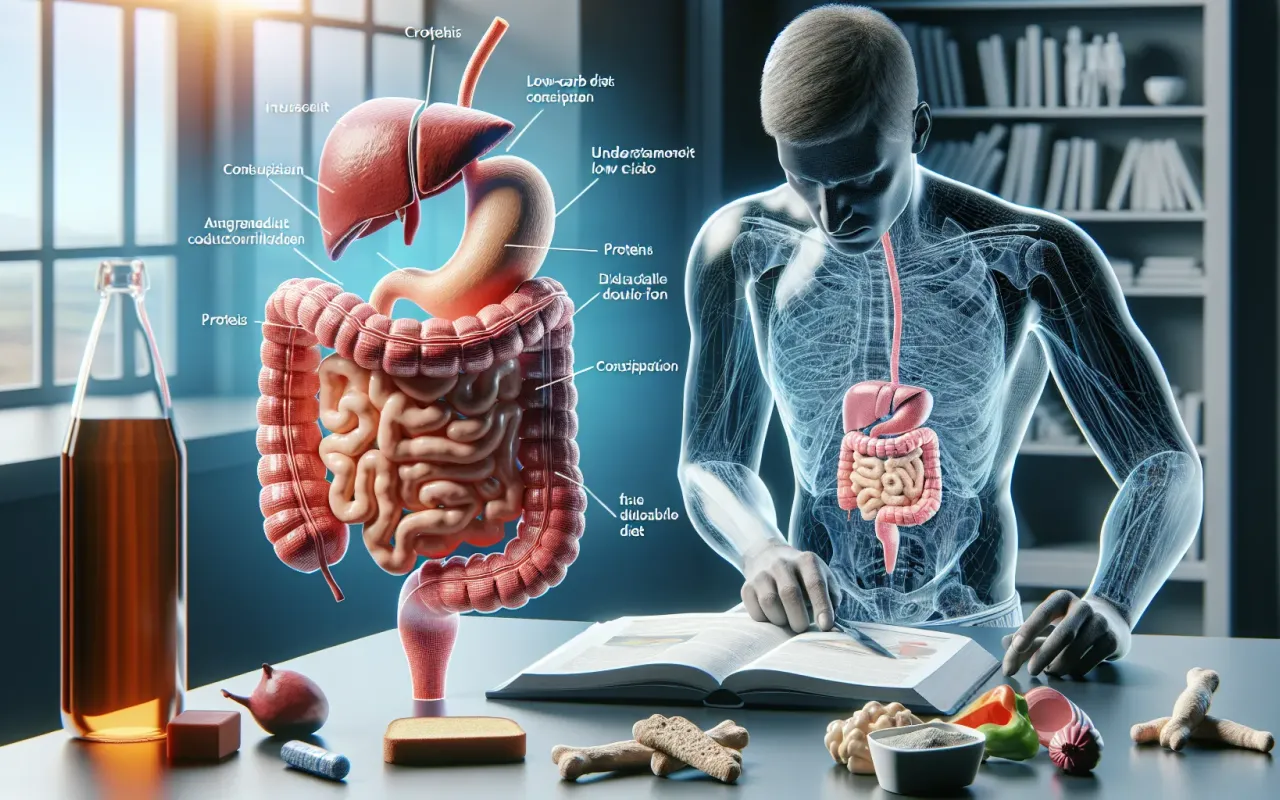
Discover the common side effect of constipation associated with low-carb diets and explore effective strategies to alleviate it. Learn how to stay healthy while following a low-carb regimen.
- October 11, 2024
Low-carb diets, such as the ketogenic diet and Atkins diet, have become popular for their potential benefits in weight loss and metabolic health. However, these diets can sometimes come with side effects, one of the most common being constipation. In this article, we will explore the causes of constipation on a low-carb diet, its implications, and effective strategies to alleviate this uncomfortable symptom.
What Causes Constipation on a Low-Carb Diet?
Understanding the root causes of constipation when on a low-carb diet is crucial for addressing this issue effectively. Several factors can contribute to this side effect:
1. Reduced Fiber Intake
Low-carb diets often involve a significant reduction in high-carbohydrate foods that are also high in fiber, such as fruits, vegetables, whole grains, and legumes. Fiber is key to promoting healthy bowel movements, and a diet low in fiber can lead to constipation.
2. Dehydration
Carbohydrates help the body retain water. When carbohydrate intake is drastically reduced, the body may excrete more water, leading to dehydration. Dehydration can significantly impact bowel movement regularity and lead to harder stools that are difficult to pass.
3. Sudden Dietary Changes
Switching to a low-carb diet can cause a sudden shift in the types of foods consumed, which can disrupt the digestive system. The body needs time to adjust to these changes, and during this transition, constipation can occur.
4. Electrolyte Imbalance
Low-carb diets can also affect electrolyte levels, including sodium, potassium, and magnesium. An imbalance in these electrolytes can interfere with normal bowel function, contributing to constipation.
Handling Constipation on a Low-Carb Diet
Acknowledging the causes of constipation is the first step; the next is to implement strategies to manage and prevent it. Here are some effective methods:
1. Increase Fiber Intake
While sticking to low-carb guidelines, it is still possible to increase fiber intake by incorporating the following foods:
- Low-carb vegetables: spinach, kale, broccoli, and cauliflower
- Seeds: chia seeds and flaxseeds
- Nuts: almonds and walnuts
- Avocados
Consider using fiber supplements such as psyllium husk if needed.
2. Stay Hydrated
Ensuring adequate fluid intake is vital. Aim for at least 8 cups of water per day. Herbal teas and broths can also help maintain hydration levels.
3. Electrolyte Management
Maintain balanced electrolyte levels by consuming foods rich in potassium (e.g., avocados and spinach), magnesium (e.g., nuts and seeds), and ensuring adequate sodium intake. Supplementing electrolytes can also be beneficial.
4. Regular Exercise
Physical activity can enhance bowel movement regularity. Aim for at least 30 minutes of exercise most days of the week. Activities such as walking, jogging, and yoga can be particularly effective.
5. Gradual Dietary Transition
If you're new to low-carb dieting, consider transitioning gradually rather than making a sudden switch. This approach allows your digestive system to adapt more smoothly, potentially reducing the risk of constipation.
6. Probiotics and Prebiotics
Probiotics (beneficial bacteria) and prebiotics (fiber that feeds these bacteria) can improve gut health and alleviate constipation. Incorporate probiotic-rich foods like yogurt and fermented vegetables into your diet, and consume prebiotic fibers found in asparagus, garlic, and onions.
When to Seek Medical Help
While constipation can often be managed with dietary and lifestyle adjustments, there are instances when medical advice is needed. Seek medical help if you experience any of the following:
- Severe or persistent constipation lasting more than a few weeks
- Abdominal pain or bloating
- Blood in your stool
- Unexplained weight loss
- Feelings of fatigue or weakness
A healthcare provider can rule out any underlying conditions and provide appropriate treatment options.
Conclusion
Constipation is a common side effect of low-carb diets, but it doesn't have to disrupt your journey to better health. By understanding the causes and implementing practical strategies such as increasing fiber intake, staying hydrated, managing electrolytes, and engaging in regular exercise, you can manage and prevent constipation effectively. Remember, transitioning to a low-carb diet doesn't mean compromising your digestive health.