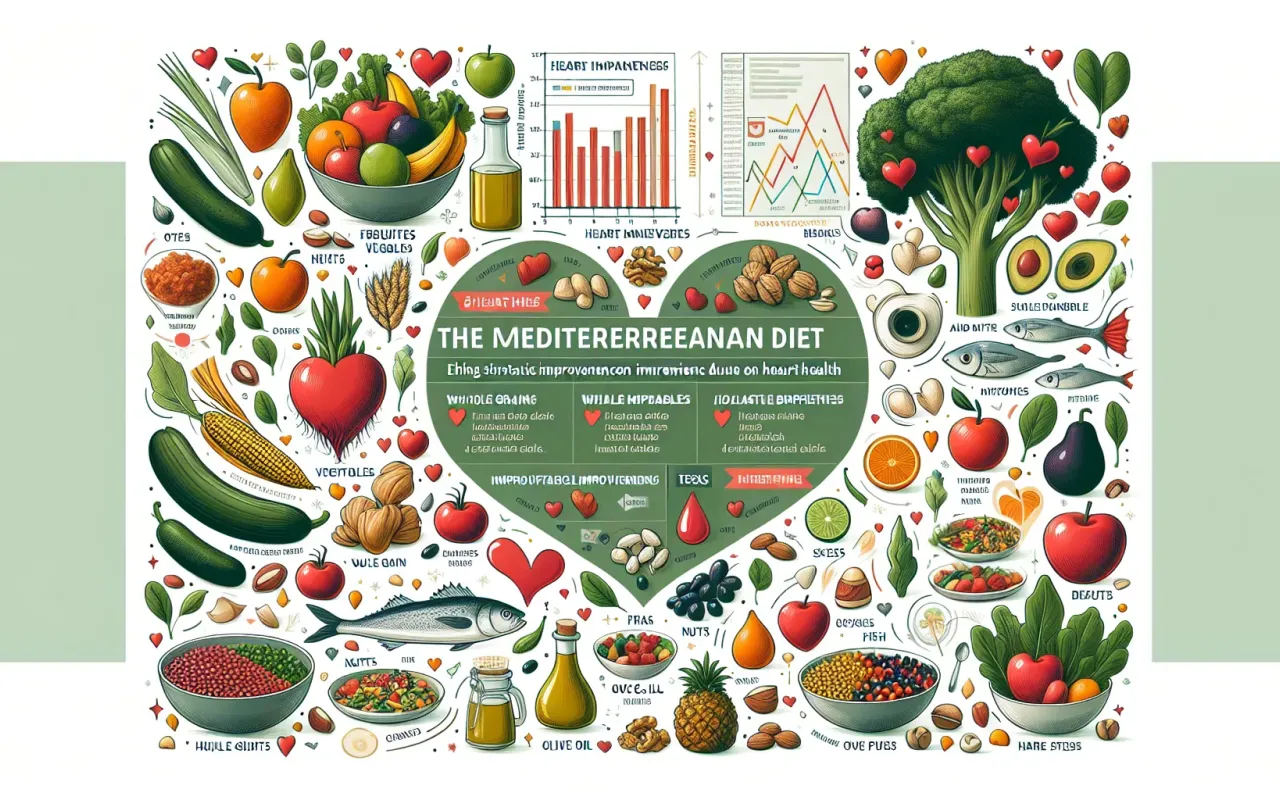
Discover how the Mediterranean diet can significantly improve heart health. This comprehensive guide explains the benefits, scientific evidence, and practical tips for adopting this heart-healthy diet.
- September 20, 2024
AceShowbiz - The Mediterranean diet has garnered significant attention for its potential to improve heart health. This dietary lifestyle, inspired by the traditional eating habits of countries bordering the Mediterranean Sea, emphasizes the consumption of whole foods, healthy fats, and lean proteins. In this guide, we'll explore the core principles of the Mediterranean diet, its benefits, scientific evidence, and practical tips for adopting this heart-healthy approach to eating.
What is the Mediterranean Diet?
The Mediterranean diet is not a strict regimen but rather a way of eating that includes a variety of nutrient-rich foods. It centers around:
- Fruits and vegetables
- Whole grains
- Legumes and nuts
- Olive oil as a primary fat source
- Moderate consumption of fish and poultry
- Limited intake of red meat and sweets
- Moderate consumption of red wine (optional)
How the Mediterranean Diet Improves Heart Health
The Mediterranean diet offers several heart-health benefits due to its balanced nutritional profile. Here are some of the key ways it positively impacts cardiovascular health:
1. Rich in Healthy Fats
One of the primary components of the Mediterranean diet is the emphasis on monounsaturated fats, particularly from olive oil. These healthy fats can help reduce levels of LDL (bad) cholesterol, which is a risk factor for heart disease.
2. High in Antioxidants
The diet is abundant in fruits, vegetables, and legumes, which are high in antioxidants. These compounds help protect the cardiovascular system by reducing oxidative stress and inflammation, both of which are implicated in heart disease.
3. Fiber-Rich Foods
Whole grains, fruits, and vegetables provide a high intake of dietary fiber. Fiber is essential for maintaining healthy cholesterol levels and supporting overall cardiovascular function.
4. Omega-3 Fatty Acids
Fish, a staple of the Mediterranean diet, is rich in omega-3 fatty acids. These fats are known for their anti-inflammatory properties and their ability to reduce blood pressure, lower triglycerides, and prevent arrhythmias.
Scientific Evidence Supporting the Mediterranean Diet
Numerous studies have demonstrated the positive impact of the Mediterranean diet on heart health:
The Predimed Study
In one of the most notable studies, the Predimed Study, researchers found that participants following a Mediterranean diet supplemented with extra-virgin olive oil or nuts had a significantly reduced risk of major cardiovascular events compared to a control group.
The Lyon Diet Heart Study
An earlier study, the Lyon Diet Heart Study, showed that heart attack survivors who adopted a Mediterranean-style diet experienced a substantially lower rate of recurrent heart attacks and overall mortality.
Practical Tips for Adopting the Mediterranean Diet
Transitioning to a Mediterranean diet can be straightforward with the right approach. Here are some practical tips:
Focus on Whole Foods
Prioritize unprocessed, whole foods such as fresh fruits, vegetables, whole grains, nuts, seeds, and legumes. These nutrient-dense options form the foundation of the Mediterranean diet.
Choose Healthy Fats
Replace unhealthy fats, such as those found in processed foods and trans fats, with healthier alternatives like olive oil, avocados, and nuts. These sources of monounsaturated and polyunsaturated fats are beneficial for heart health.
Incorporate Fish
Include fish, particularly fatty fish like salmon, mackerel, and sardines, in your diet at least twice a week. These fish are excellent sources of omega-3 fatty acids.
Limit Red Meat and Sweets
Reduce your intake of red meat and sweets, opting instead for poultry, fish, and plant-based proteins like beans and legumes. Treat sweets as occasional indulgences rather than daily habits.
Enjoy Meals with Others
The Mediterranean diet emphasizes the social aspect of eating. Share meals with family and friends, as this can enhance the overall enjoyment of food and promote mindful eating practices.
Conclusion
The Mediterranean diet is a heart-healthy way of eating that emphasizes whole, nutrient-dense foods, healthy fats, and lean proteins. By incorporating these principles into your daily routine, you can significantly improve your cardiovascular health and reduce the risk of heart disease. The scientific evidence supports the numerous benefits of this dietary approach, making it a viable and sustainable option for those looking to enhance their heart health while enjoying delicious and satisfying meals.
Adopting the Mediterranean diet may be one of the most enjoyable and healthful decisions you can make for your heart and overall well-being. Start making small changes today, and experience the profound impact it can have on your life.