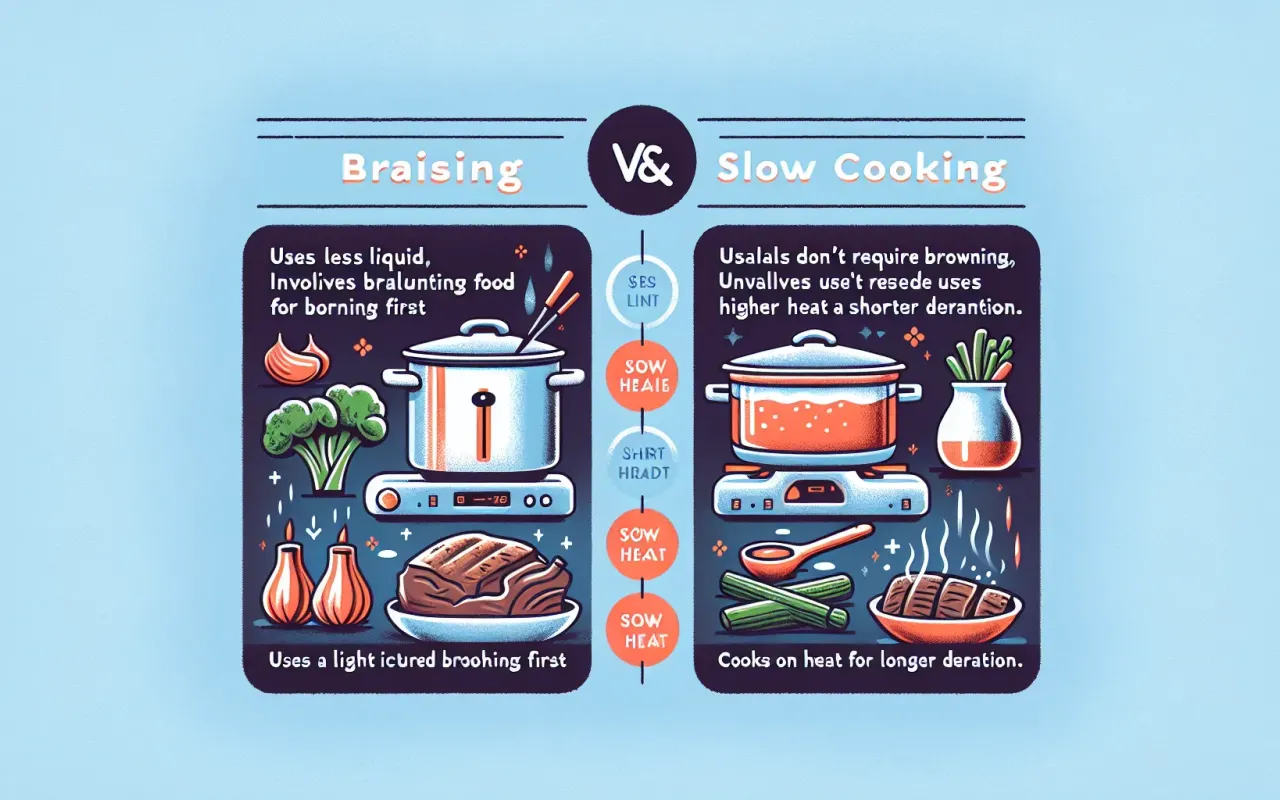
Explore the differences between braising and slow cooking. Learn which method suits your needs with our detailed guide.
- September 20, 2024
AceShowbiz - Understanding the nuances between braising and slow cooking can significantly enhance your culinary repertoire. Though both techniques involve cooking meat at low temperatures to achieve tenderness, they are distinct in their processes and outcomes. This article will delve into the core differences, uses, and benefits of braising and slow cooking, equipping you with the knowledge to make informed cooking decisions.
What is Braising?
Braising is a cooking technique that combines both dry and moist heat methods. Traditionally, the process involves searing meat at a high temperature, then finishing it off in a covered pot with a variable amount of liquid. This method is ideal for tough cuts of meat, such as beef chuck or pork shoulder, which require slow, moist cooking to become tender and flavorful.
How Braising Works
The process starts with browning the meat to create a Maillard reaction, which locks in flavors and develops a rich, caramelized exterior. The partially cooked meat is then placed into a pot with liquid, such as stock, wine, or water, and simmered at low temperatures. The moist heat from the liquid helps in breaking down collagen and connective tissues, making the meat tender and succulent.
Best Foods for Braising
- Tough cuts of beef (chuck, brisket, short ribs)
- Lamb shanks
- Pork shoulder
- Chicken thighs and legs
- Root vegetables (carrots, potatoes, turnips)
Advantages of Braising
- Deep, complex flavors due to initial browning
- Tenderizes tougher cuts of meat
- Versatility in liquid choices adds a variety of flavors
- Usually quicker than slow cooking
What is Slow Cooking?
Slow cooking, often associated with slow cookers or Crock-Pots, is a hands-off cooking method that allows ingredients to simmer for extended periods, usually ranging from 4 to 10 hours. This method uses low, moist heat to break down fibers in tougher cuts of meat, resulting in tender, flavorful dishes with minimal effort.
How Slow Cooking Works
Slow cooking involves placing ingredients into a slow cooker and setting a low but steady temperature. The prolonged, gentle cooking process allows flavors to meld together, while the closed lid retains moisture. Unlike braising, there's no initial high-heat searing, which results in dishes that are uniformly tender but without a caramelized exterior.
Best Foods for Slow Cooking
- Large roasts (beef, pork, lamb)
- Stews and soups
- Beans and legumes
- Casseroles
- Poultry (whole chickens or large cuts)
Advantages of Slow Cooking
- Set it and forget it convenience
- Ideal for meal prepping and busy schedules
- Consistently tender and flavorful results
- Energy-efficient compared to oven cooking
Comparing Braising vs Slow Cooking
Time and Preparation
Braising usually requires an initial active cooking phase involving searing the meat before the slow, moist heat part, which can take anywhere from 1.5 to 3 hours. In contrast, slow cooking is more of a "prep and forget" method, requiring minimal initial preparation but a longer cooking time, averaging 6-10 hours.
Flavor Profile
Braising provides a richer, more complex flavor because of the initial searing of the meat, which causes caramelization. Slow cooking, on the other hand, offers a consistent, mellow flavor as all ingredients are cooked together from the start without any hot searing.
Versatility and Ease
Slow cooking is generally considered more versatile and easier for beginners. You can throw almost anything into a slow cooker, set the timer, and go about your day. Braising requires more attention to the initial cooking steps but can offer more nuanced flavors and textures.
Which Method is Right for You?
The decision between braising and slow cooking ultimately depends on your specific needs and preferences. If you're short on time but want deep, rich flavors, braising might be your go-to method. Conversely, if you prefer the convenience and ease of a "set it and forget it" method, slow cooking could be more suitable.
Considerations for Choosing a Method
- Time availability: If you're home and able to monitor the cooking process, braising is an excellent option. If you're busy and need a hands-off approach, slow cooking is ideal.
- Desired flavor complexity: For rich, caramelized flavors, go for braising. For a more uniform, tender dish, slow cooking works best.
- Recipe requirements: Certain recipes require specific methods. Follow the guidelines of your recipe for the best results.
- Type of food: Both methods excel with tough cuts of meat and root vegetables. Choose the method based on the texture and flavor you wish to achieve.
Conclusion
Both braising and slow cooking offer distinct advantages and are invaluable techniques for achieving tender, flavorful dishes. By understanding the key differences between braising and slow cooking, you can make informed choices about which method best suits your cooking style and dietary needs. Whether you’re looking to elevate the flavors of tough cuts of meat with braising or you need the convenience of a slow cooker, both methods ensure delicious, home-cooked meals with ease.
Empower your kitchen skills by mastering both techniques, providing you with the versatility to create a variety of comforting and delectable dishes. Happy cooking!