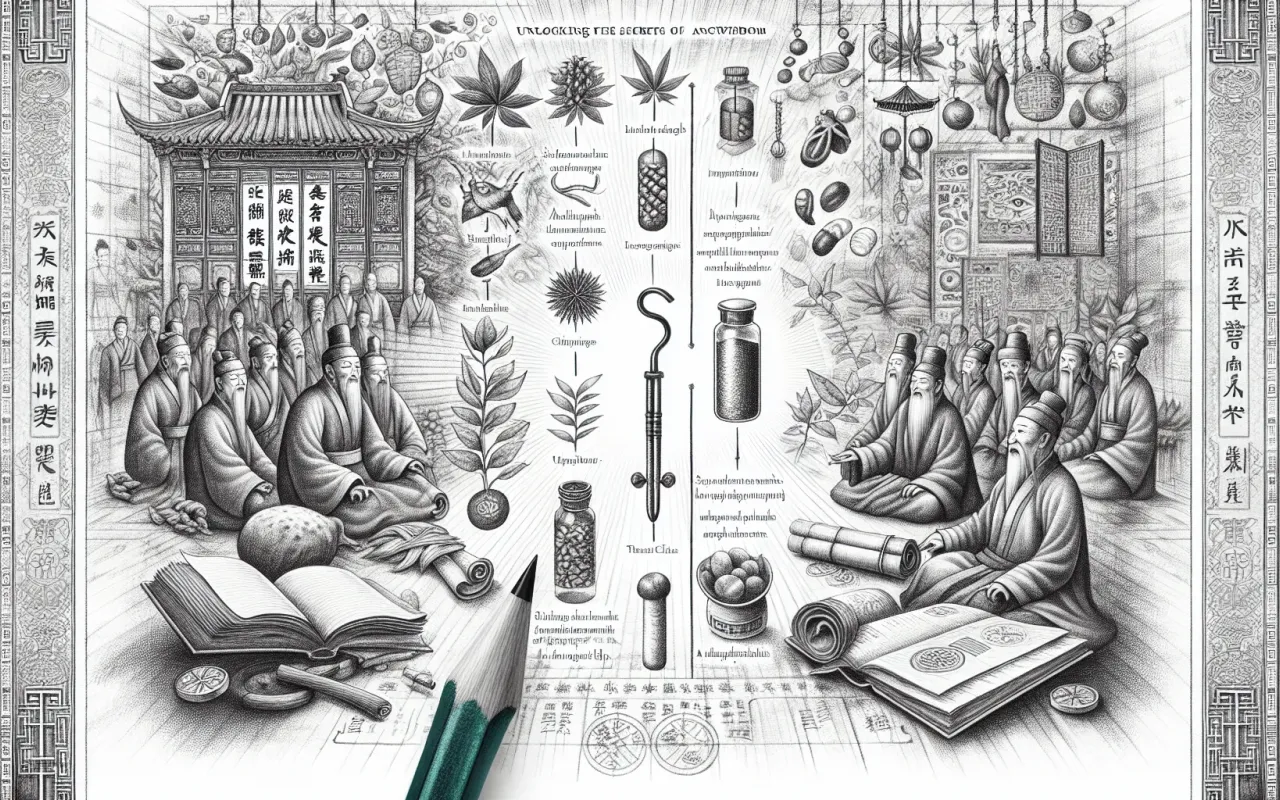
Explore the rich history and therapeutic secrets of Traditional Chinese Medicine (TCM). Discover ancient wisdom and modern applications in this comprehensive guide.
- August 31, 2024
AceShowbiz - Traditional Chinese Medicine (TCM) offers a treasure trove of insights into health and well-being, accumulated over thousands of years. This article delves into the secrets and ancient wisdom of TCM, providing a comprehensive understanding of its historical context, core principles, and current applications.
The Historical Context of Traditional Chinese Medicine
Traditional Chinese Medicine is a holistic approach to health that originated in ancient China over 2,500 years ago. Its practices were documented in classic texts such as the Yellow Emperor’s Inner Canon and the Shang Han Lun. These texts laid the foundation for TCM, emphasizing the importance of balance, the flow of energy (Qi), and the interconnectedness of the body systems.
Ancient Texts and Foundational Theories
Among the most significant ancient texts are the Huangdi Neijing (Yellow Emperor’s Inner Canon) and the Shennong Bencaojing (The Classic of Herbal Medicine). These texts provide detailed knowledge on various TCM practices, including acupuncture, herbal medicine, and dietary therapy.
Core Principles of Traditional Chinese Medicine
Understanding TCM requires a grasp of its fundamental concepts, including Qi, Yin and Yang, and the Five Elements theory. These principles form the basis for diagnosing and treating health conditions in TCM.
Qi (Vital Energy)
Qi is considered the vital energy that flows through the body along pathways known as meridians. Maintaining the free flow of Qi is crucial for health, as blockages or imbalances can lead to illness.
Yin and Yang
The concept of Yin and Yang represents the duality and balance in nature. In TCM, health is seen as a harmonious balance between these opposing forces. Imbalance between Yin and Yang can manifest as various health issues.
The Five Elements Theory
The Five Elements (Wood, Fire, Earth, Metal, Water) theory describes the interrelationships and interactions between various phenomena in the natural world and the human body. Each element corresponds to particular organs and physiological functions.
Traditional Chinese Medicine Practices
TCM encompasses a variety of practices that aim to restore balance and promote health. Some of the most prominent practices include acupuncture, herbal medicine, tai chi, and dietary therapy.
Acupuncture
Acupuncture involves inserting thin needles into specific points on the body to regulate the flow of Qi. It is used to treat a wide range of conditions, from pain relief to stress reduction.
Herbal Medicine
TCM herbal medicine uses a diverse array of plants, minerals, and animal products to create formulas tailored to individual health needs. These formulas aim to restore balance and treat underlying causes of health issues.
Tai Chi and Qigong
Tai Chi and Qigong are mind-body practices that combine movement, meditation, and controlled breathing. They are used to improve physical and mental health, enhance relaxation, and support the balance of Qi.
Dietary Therapy
In TCM, food is considered medicine. Dietary therapy involves using specific foods and food combinations to promote health and treat illnesses. Diet is tailored to an individual’s constitution and health condition.
Modern Applications and Research in TCM
Traditional Chinese Medicine continues to evolve, integrating modern scientific research to validate its efficacy. Recent studies have explored the benefits of TCM practices in treating chronic illnesses, pain management, and mental health conditions.
Contemporary Research
Contemporary research in TCM has shown promising results. For instance, studies have demonstrated the effectiveness of acupuncture in reducing chronic pain and supporting mental health. Herbal medicine is being investigated for its potential in treating conditions like asthma, heart disease, and cancer.
Integrative Health Approaches
Many practitioners now combine TCM with Western medicine, creating integrative health approaches that offer comprehensive care. This synergy allows for personalized treatment plans that address both the symptoms and root causes of health issues.
Conclusion: The Timeless Wisdom of Traditional Chinese Medicine
Traditional Chinese Medicine secrets and ancient wisdom offer profound insights into achieving and maintaining health. While TCM practices are rooted in ancient traditions, they continue to be relevant today, providing natural and holistic approaches to well-being. By understanding and embracing the principles of TCM, individuals can unlock a path to balanced and harmonious living.