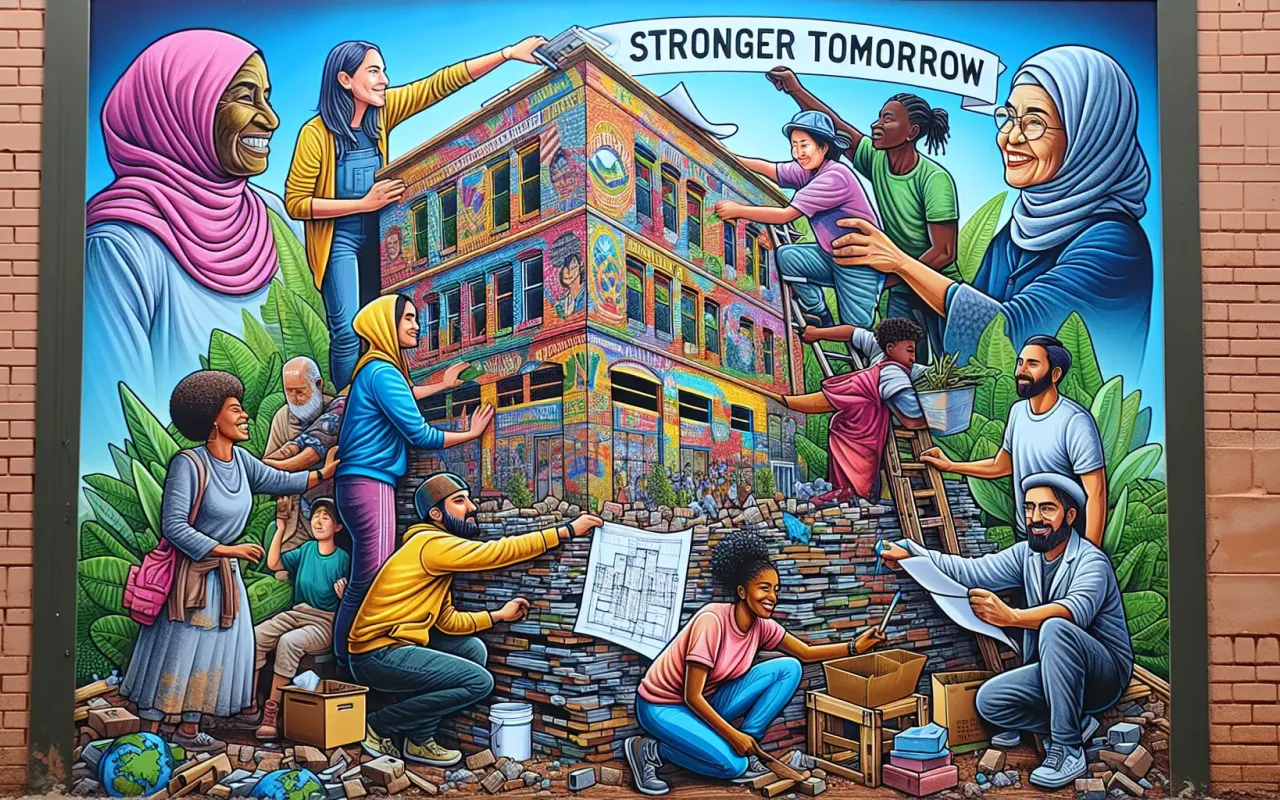
Discover how empowering communities through resilience initiatives can build a stronger, more sustainable future. Learn actionable strategies and their benefits.
- August 27, 2024
AceShowbiz - Empowering communities through resilience initiatives is a crucial step towards creating a sustainable and thriving future. By fostering resilience, communities can better withstand and recover from adverse situations, ensuring the well-being of their members. In this article, we explore the importance of resilience initiatives, strategies for implementation, and the positive impact they can have on communities.
Understanding Community Resilience
Community resilience refers to the ability of a community to adapt to, withstand, and recover from various challenges such as natural disasters, economic instability, and social disruptions. The goal is to create systems and structures that support the community's ongoing well-being and sustainability.
The Importance of Empowering Communities
Empowering communities through resilience initiatives is not just a theoretical concept but a practical approach to safeguarding the future. It involves:
- Fostering Social Cohesion: Building strong relationships between community members enhances mutual support and collective action.
- Enhancing Resource Management: Efficient use and management of resources ensure that communities can handle disruptions more effectively.
- Increasing Adaptive Capacity: Communities equipped with knowledge and tools can adapt more readily to changing circumstances.
- Mitigating Risks: Identifying and addressing potential risks proactively reduces the impact of adverse events.
Strategies for Building Community Resilience
Implementing resilience initiatives requires a multifaceted approach. Here are some key strategies to consider:
1. Community Engagement and Participation
Active involvement of community members in decision-making processes ensures that resilience efforts are locally relevant and supported. Strategies include:
- Public Meetings and Workshops: Facilitate open forums where residents can discuss challenges and propose solutions.
- Volunteer Programs: Encourage community members to participate in resilience-building activities such as disaster preparedness drills.
- Surveys and Feedback Mechanisms: Collect input from residents to guide resilience planning and implementation.
2. Strengthening Infrastructure
Resilient infrastructure is crucial in supporting community well-being during crises. Key actions include:
- Upgrading Critical Facilities: Ensure that hospitals, schools, and emergency services are equipped to handle emergencies.
- Improving Housing Standards: Promote building codes and construction practices that enhance safety and durability.
- Maintaining Transportation Networks: Develop reliable transportation systems to ensure access to essential services.
3. Economic Diversification and Development
A resilient economy can shield communities from economic shocks and provide stability. Recommended measures include:
- Supporting Local Businesses: Provide incentives and resources to help small businesses thrive and adapt.
- Promoting Workforce Development: Offer training programs to equip residents with skills needed in emerging industries.
- Encouraging Innovation: Foster an environment that supports new business ventures and technological advancements.
4. Environmental Stewardship
Protecting and sustainably managing natural resources ensure long-term resilience. Initiatives include:
- Conservation Efforts: Implement programs to protect local ecosystems and biodiversity.
- Sustainable Agricultural Practices: Encourage farming methods that preserve soil health and reduce environmental impact.
- Disaster Risk Reduction: Develop and enforce building codes and land use policies that minimize environmental hazards.
Case Studies: Successful Resilience Initiatives
To illustrate the impact of resilience initiatives, consider the following case studies:
Case Study 1: Community-Led Disaster Response in Puerto Rico
Following Hurricane Maria, Puerto Rican communities banded together to rebuild and recover. Local organizations played a critical role in distributing aid, repairing infrastructure, and providing mental health support. This grassroots approach demonstrated the power of community-led resilience efforts.
Case Study 2: Economic Resilience in MedellÃn, Colombia
MedellÃn transitioned from a city plagued by violence to a model of urban development. Through innovative transportation systems, public spaces, and economic initiatives, MedellÃn increased social inclusion and economic opportunities, showcasing the benefits of strategic resilience planning.
Conclusion: The Path Forward
Empowering communities through resilience initiatives is essential for creating a stronger, more secure future. By fostering social cohesion, strengthening infrastructure, diversifying economies, and stewarding the environment, communities can build the capacity to overcome challenges and thrive. As we look to the future, it is imperative to continue investing in resilience initiatives that empower individuals and strengthen communities worldwide.
With these strategies in place, communities will be better equipped to face uncertainties and build a stronger tomorrow.