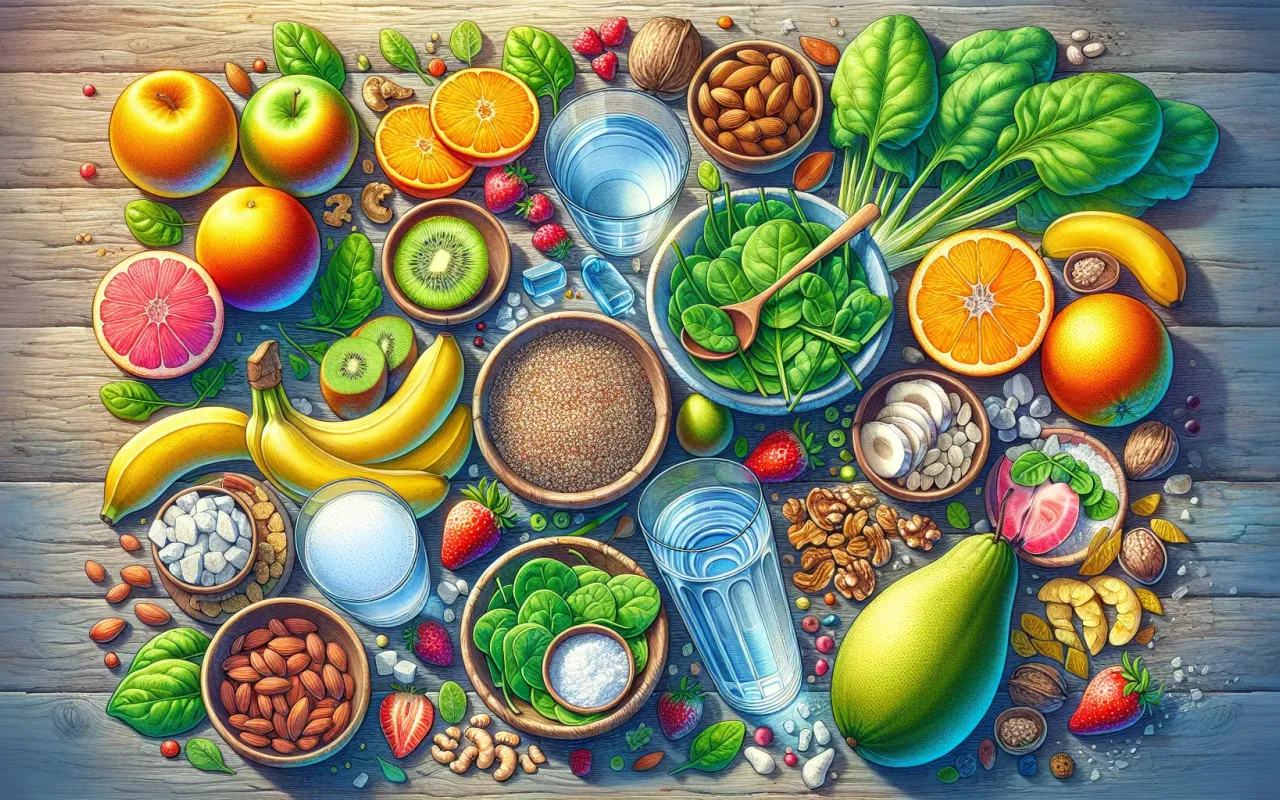
Learn about the essential diet for electrolyte balance and hydration. Discover tips, foods, and valuable insights to maintain optimal health through proper nutrition.
- August 27, 2024
Maintaining electrolyte balance and proper hydration is critical for overall health and well-being. Electrolytes such as sodium, potassium, magnesium, and calcium play a vital role in various bodily functions, including nerve signaling, muscle contraction, and fluid balance. This article delves into the importance of a balanced diet for electrolyte balance and hydration, offering expert tips and highlighting key foods to include in your diet.
Understanding Electrolytes and Their Importance
Electrolytes are minerals that carry an electric charge when dissolved in body fluids like blood, urine, and sweat. They are crucial for:
- Regulating nerve and muscle function
- Maintaining acid-base balance
- Hydrating the body
- Balancing blood pressure
An imbalance in electrolytes can lead to symptoms such as fatigue, dizziness, irregular heartbeat, and muscle cramps. Proper diet and hydration are essential to maintaining this balance.
Key Electrolytes and Their Food Sources
Sodium (Na)
Sodium is essential for fluid balance and nerve function. The body needs it to maintain normal blood pressure and optimal muscle function.
Sources of Sodium:
- Table salt
- Processed and packaged foods
- Soy sauce
- Salted nuts
Note: While sodium is necessary, excessive intake can lead to hypertension and other cardiovascular issues.
Potassium (K)
Potassium helps to regulate fluid balance, muscle contractions, and nerve signals. It's also essential for maintaining proper blood pressure levels.
Sources of Potassium:
- Bananas
- Oranges
- Spinach
- Potatoes
- Tomatoes
Calcium (Ca)
Calcium is vital for bone health, muscle function, and nerve signaling.
Sources of Calcium:
- Dairy products (milk, cheese, yogurt)
- Leafy green vegetables
- Fortified plant-based milk
- Almonds
Magnesium (Mg)
Magnesium supports muscle and nerve function and helps regulate blood sugar levels.
Sources of Magnesium:
- Nuts and seeds
- Whole grains
- Leafy green vegetables
- Legumes
Effective Hydration Tips
Hydration is a cornerstone of electrolyte balance. Here are some effective tips to ensure you stay well-hydrated:
Drink Adequate Water
The general recommendation is to drink around eight 8-ounce glasses of water a day. However, individual needs can vary based on factors like age, gender, physical activity, and climate.
Include Electrolyte-rich Drinks
In situations of intense exercise or heat, consider drinks that contain electrolytes to replenish lost minerals.
Monitor Your Fluid Intake
Keep track of how much you're drinking each day. Various apps and health trackers can help you maintain adequate hydration.
Be Cautious with Diuretics
Some substances, like caffeine and alcohol, act as diuretics and can lead to increased fluid loss. Balance their consumption with additional water intake.
Combining Nutrition and Hydration for Optimal Health
Creating a balanced diet that keeps your electrolytes in check requires combining nutrient-rich foods with proper hydration methods.
Balanced Meals
Aim to include a variety of foods from all food groups in your meals. Balanced meals should provide a mix of proteins, carbohydrates, and fats, along with ample servings of fruits and vegetables to cover your electrolyte needs.
Herbs and Spices
Adding herbs and spices can naturally enhance flavors without excessive sodium. Consider herbs like parsley, cilantro, and basil, which offer additional nutrient benefits.
Scheduled Eating and Drinking
Stick to regular eating and drinking routines to prevent sudden swings in electrolyte levels. Consistent patterns help maintain balance and prevent dehydration.
Monitoring and Adjusting
Pay attention to your body's signals. If you experience symptoms of electrolyte imbalance, such as muscle cramps or dizziness, adjust your diet and fluid intake accordingly.
Conclusion
Achieving and maintaining electrolyte balance and proper hydration is essential for overall health. By incorporating the right foods and adopting effective hydration practices, you can support your body's needs efficiently. Remember that everyone’s dietary and hydration needs are different, and it’s often beneficial to consult with a nutritionist or healthcare provider for personalized guidance.