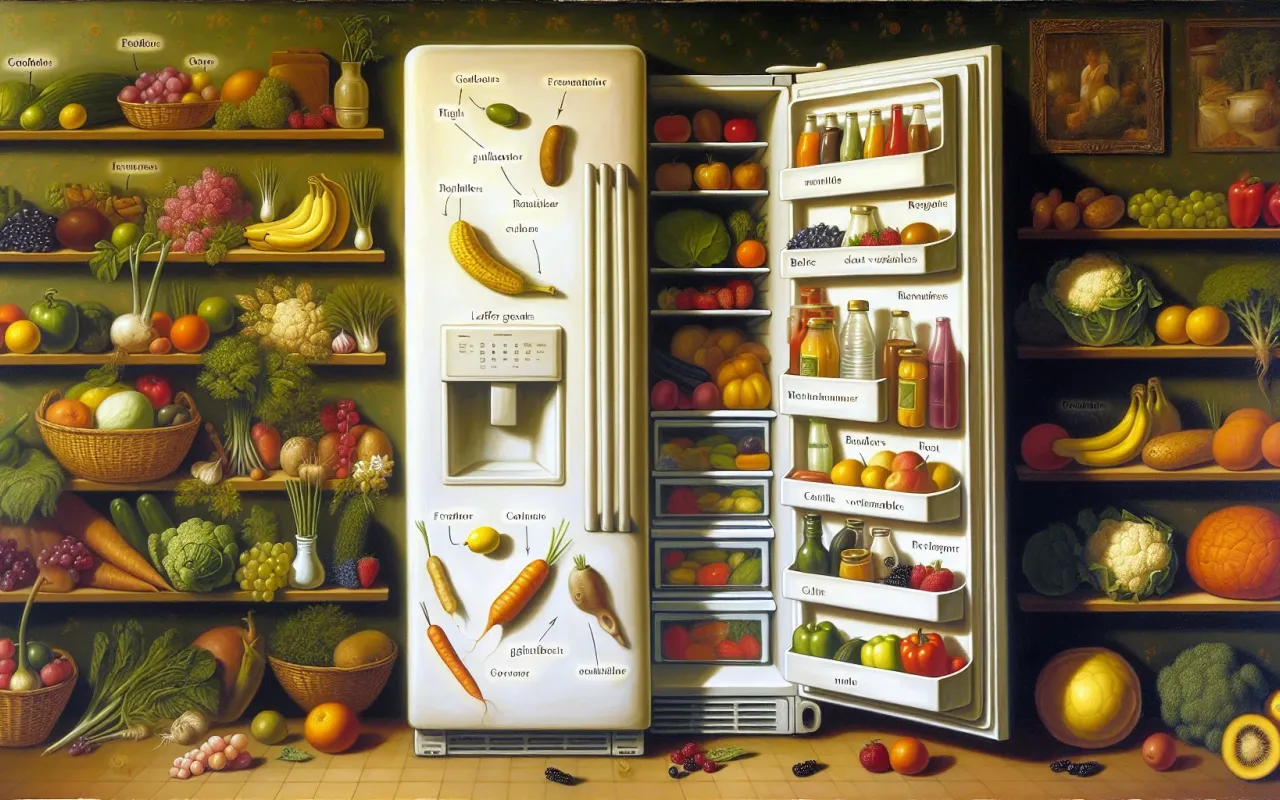
Discover expert tips on how to store fresh produce in the fridge. Learn the best practices to keep fruits and vegetables fresh longer while minimizing waste.
- August 24, 2024
When it comes to maintaining a healthy diet, fresh fruits and vegetables are indispensable. However, knowing how to store fresh produce in the fridge effectively can make a significant difference in both their longevity and quality. In this comprehensive guide, we’ll provide you with expert insights and practical tips designed to help your produce stay fresher for longer.
Why Proper Storage is Important
Proper storage of fresh produce is not just about maintaining aesthetics; it’s about preserving essential nutrients, minimizing waste, and saving money. Incorrect storage can result in spoiled produce, nutrient loss, and increased food waste, which is both costly and environmentally damaging.
General Guidelines for Storing Produce
Temperature Settings
The ideal fridge temperature for storing fresh produce ranges between 32°F to 40°F (0°C to 4°C). Make sure to use a refrigerator thermometer to monitor these conditions consistently.
Humidity Levels
Different types of produce require varying humidity levels. Generally, vegetables prefer high humidity, while fruits prefer low humidity. Using the crisper drawers in your fridge can help manage these conditions effectively.
Separate Fruits and Vegetables
Fruits produce ethylene gas, which can hasten the ripening and spoilage of nearby vegetables. It’s advisable to store fruits and vegetables in separate compartments within the fridge.
How to Store Different Types of Produce
Leafy Greens
Wrap leafy greens like lettuce, spinach, and kale in a paper towel to absorb moisture and then place them in a plastic bag or airtight container. Store them in the high-humidity crisper drawer.
Root Vegetables
Root vegetables like carrots, beets, and radishes should be stored in a perforated plastic bag in the fridge. Remove any greens attached to these vegetables as they can draw nutrients away from the roots.
Berries
Store berries like strawberries, raspberries, and blueberries in their original packaging or a breathable container. Refrain from washing them before storage as excess moisture can lead to mold growth.
Citrus Fruits
Oranges, lemons, and limes can be stored in the fridge but are best kept in the low-humidity crisper drawer. Avoid using airtight containers as they can trap moisture and cause mold.
Tomatoes
Contrary to popular belief, tomatoes should not be stored in the fridge. Refrigeration can alter their texture and flavor. Instead, store tomatoes at room temperature.
Special Considerations for Certain Produce
Some produce items require special attention.
Bananas: Store bananas at room temperature until they ripen, then transfer them to the fridge.
Avocados: Allow avocados to ripen at room temperature; once ripe, they can be refrigerated to prolong shelf life.
Herbs: Fresh herbs like cilantro and parsley can be stored in a glass jar with a little water, covered loosely with a plastic bag, and placed in the fridge.
Common Mistakes to Avoid
- Washing produce before storing unless absolutely necessary.
- Overpacking the fridge, which restricts airflow and can lead to uneven temperatures.
- Ignoring expiration dates on pre-packaged produce items.
- Leaving produce in plastic grocery bags, which can trap moisture and promote spoilage.
Additional Tips for Fresher Produce
Here are some extra steps you can take to ensure your produce remains fresh for as long as possible:
- Periodic Checks: Regularly inspect your produce for signs of spoilage and remove any affected items promptly to prevent them from affecting others.
- Proper Airflow: Avoid overcrowding items to ensure proper air circulation in your fridge.
- Appropriate Containers: Utilize the right types of containers, such as breathable bags and airtight containers, depending on the type of produce.
- Labeling: Use labels to keep track of purchase dates, which will help in using older items first.
Conclusion
Learning how to store fresh produce in the fridge is a vital skill that can greatly impact your health, finances, and environmental footprint. By following the guidelines and tips presented in this article, you can ensure that your fruits and vegetables remain fresh and nutritious for longer periods. Remember, small adjustments in storage practices can yield significant benefits, making your kitchen and lifestyle more efficient and sustainable.