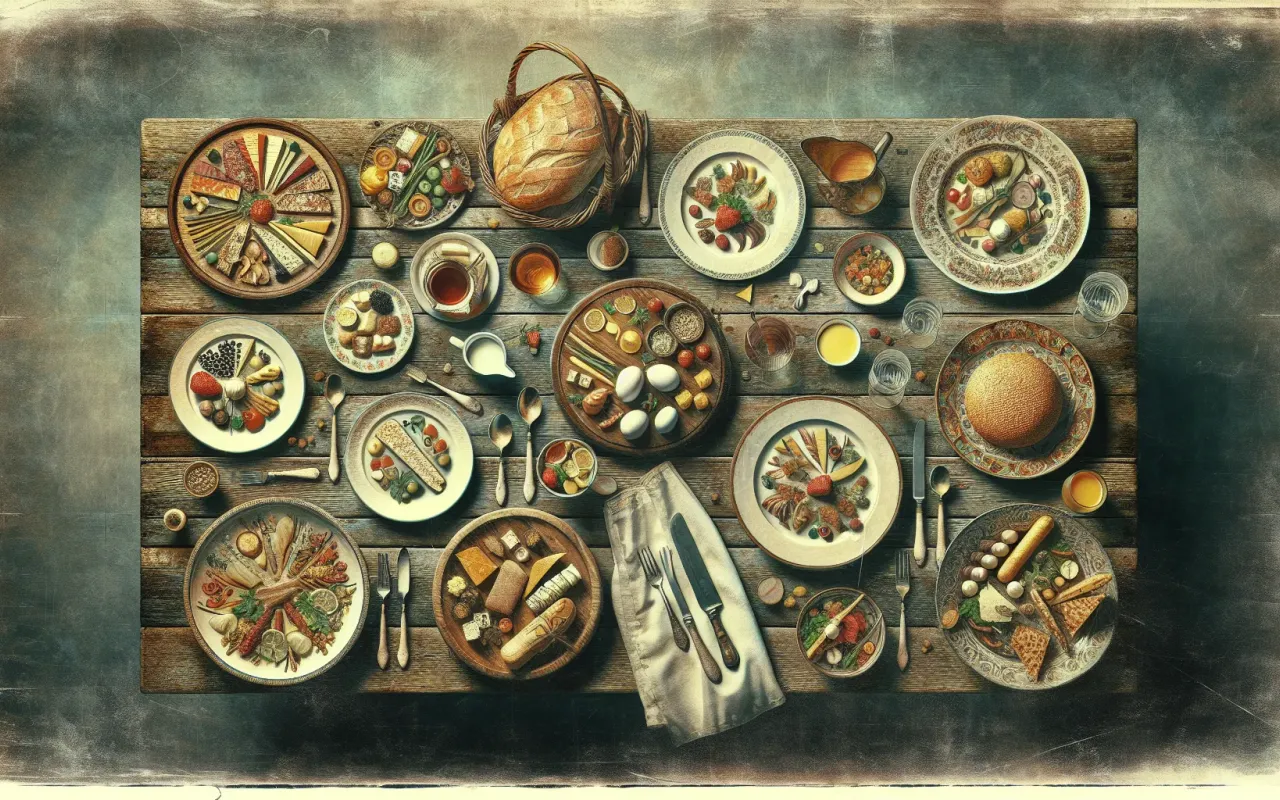
Elevate your culinary creations with easy plating tips for impressive dishes. Master the art of presentation with these simple yet effective techniques.
- August 23, 2024
Presentation is a crucial aspect of dining that can transform a simple meal into a memorable experience. While flavor remains paramount, the visual appeal of a dish can often be the deciding factor in whether or not it makes an impression. This article provides easy plating tips for impressive dishes, helping you to elevate the culinary experience for your guests effortlessly.
Why Plating Matters
Plating is not just about aesthetics; it also plays a role in how we perceive the taste and quality of a meal. Studies have shown that well-presented dishes are perceived to taste better. The art of plating involves the strategic arrangement of food to highlight its ingredients, flavors, and textures, creating a coherent and delightful dining experience.
Basic Principles of Plating
Understanding the basic principles of plating is essential for crafting impressive dishes. Here are some foundational concepts:
Balance
Balance is about distributing food components in a way that achieves a harmonious look. This involves considering elements like size, color, and shape. Aim for a balance between contrasting and complementary elements to create visual interest.
Proportion
Proportion relates to the size and volume of each component on the plate. Avoid overcrowding the plate and ensure that the proportions highlight the main elements of the dish. A balanced proportion also ensures that the dish is visually appealing and not overwhelming.
Focus
Focus is about guiding the diner's attention to the primary component of the dish. Use garnishes and other elements to draw the eye to the main ingredient. Proper use of negative space can help in directing focus effectively.
Easy Plating Tips for Impressive Dishes
Incorporate the following tips to enhance the presentation of your dishes effortlessly:
Use the Right Plate
Choosing the right plate is the first step in plating success. Opt for plates that complement the colors and textures of your food. White plates are a safe choice as they provide a neutral background, making the colors of the food pop. However, don’t shy away from using colored or textured plates to add an extra layer of sophistication.
Accentuate Colors and Textures
A visually stimulating dish often includes a variety of colors and textures. Use vibrant vegetables, different cuts of meat, and unique grains to add diversity. Be mindful of the arrangement to ensure that the colors complement each other rather than clash.
Consider Plate Geometry
Using geometric principles can create intriguing and balanced plates. Items can be arranged in grids, radial patterns, or along the plate's edges to guide the eye naturally around the dish. Experiment with different geometric patterns to find what works best for each specific dish.
Garnish Wisely
Garnishes should enhance the dish, not overwhelm it. Use herbs, edible flowers, and sauces sparingly to add color, texture, and flavor. Ensure that all garnishes are edible and complement the taste profile of the main components.
Play with Height
Adding height to a dish can create a dynamic and engaging presentation. Use stacking techniques, layered components, or elements placed vertically to create an illusion of height. Be careful, though, as too much height can make the dish look unstable and impractical to eat.
Maintain Clean Edges
Cleanliness is vital in plating. Wipe the edges of the plate to remove any spills or smudges before serving. A clean presentation reflects precision and care, enhancing the overall appeal of the dish.
Advanced Plating Techniques
For those looking to take their plating skills to the next level, consider these advanced techniques:
Saucing Techniques
The way a sauce is presented can have a significant impact on the dish. Techniques like drizzling, pooling, or dotting can add visual interest. Experiment with different sauce applications to find what best complements your dish.
Molecular Gastronomy
If you're feeling adventurous, incorporate elements of molecular gastronomy. Techniques like spherification, foams, and gels can add an element of surprise and sophistication. These advanced techniques require practice but can elevate your presentation to a professional level.
Common Mistakes to Avoid
Avoiding common pitfalls is essential for successful plating. Here are some mistakes to steer clear of:
Overcrowding the Plate
One of the most frequent errors is overcrowding the plate. Less is often more when it comes to elegant plating. Keep it simple and let each component shine.
Inconsistent Portions
Inconsistent portion sizes can disrupt the balance of the plate. Ensure that each component is proportionate to maintain harmony and visual appeal.
Neglecting Negative Space
Negative space, or empty space, on the plate is as important as the food itself. Proper use of negative space creates a balanced and appealing presentation.
Conclusion
Mastering the art of plating is an easy and effective way to elevate your dishes, impress your guests, and enhance the overall dining experience. By understanding basic principles and incorporating easy plating tips for impressive dishes, you can transform your meals into visual and culinary masterpieces. Remember, the key is to balance aesthetics with practicality, ensuring that your dishes are not only beautiful but also enjoyable to eat.