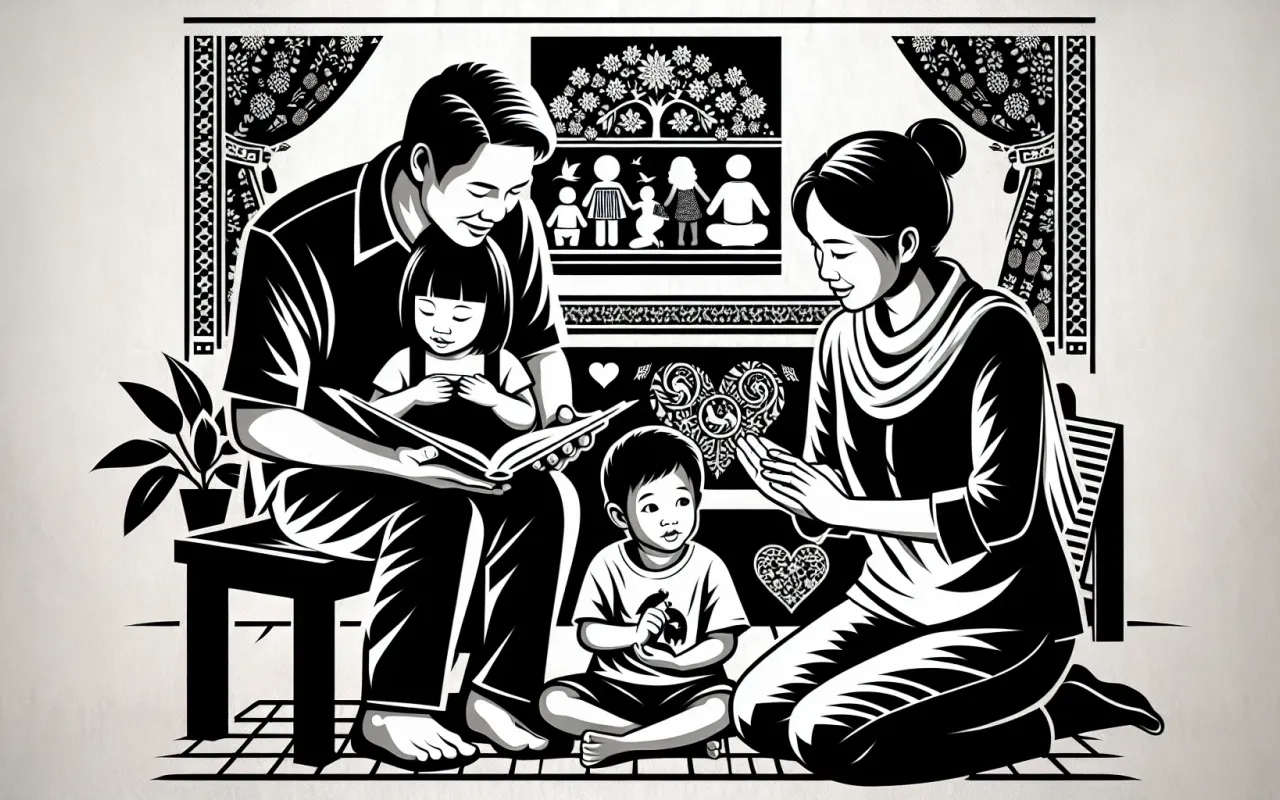
Learn about positive child discipline techniques that promote respectful, effective, and lasting behavior change in children. Discover expert strategies for raising disciplined, happy kids.
- August 9, 2024
AceShowbiz - Ensuring children's growth and development within a structured and supportive environment is essential for parents and caregivers. Traditional methods of discipline, such as punishment and authoritarian control, are increasingly being replaced by more nurturing and constructive approaches. This article delves into the various positive child discipline techniques that can lead to effective child discipline, fostering a mutually respectful and empathetic relationship between adults and children.
The Essence of Positive Child Discipline
Positive child discipline is rooted in the belief that every child deserves respect and dignity. At its core, this approach emphasizes teaching over punishing and aims to guide children toward making better choices on their own. Fundamental principles of positive child discipline include clear communication, empathy, consistency, and encouragement.
Understanding the Child's Perspective
One of the key concepts in positive child discipline is understanding and validating the child's feelings and perspectives. Children's behaviors are often driven by their emotions and needs. Recognizing and addressing the underlying issues can be more effective than merely focusing on the behavior itself.
- Active Listening: Encourages children to express their feelings and thoughts freely, promoting open communication and trust.
- Empathy: Demonstrating empathy helps children feel understood and valued, reducing negative behaviors.
- Acknowledging Emotions: Validating a child's emotions, such as anger or frustration, shows that their feelings are taken seriously, fostering emotional intelligence and self-regulation.
Positive Reinforcement Techniques
Positive reinforcement is a cornerstone of effective child discipline techniques. This strategy involves recognizing and rewarding desirable behaviors to encourage their repetition.
Praise and Encouragement
Praising specific behaviors rather than general traits can be more impactful. This method helps children understand what is expected of them and motivates them to continue behaving positively.
- Specific Praise: Commend specific actions or behaviors, such as "You did a great job sharing your toys with your friend."
- Encouraging Effort: Focus more on the effort and process rather than the outcome, like "I can see you worked really hard on your homework."
- Positive Attention: Spend quality time with the child, showing interest in their activities and achievements, which reinforces good behavior.
Setting Clear and Consistent Boundaries
Children thrive in environments with clear and consistent boundaries. Positive discipline involves setting realistic and age-appropriate expectations and enforcing them consistently.
Creating House Rules
Establishing a set of clear house rules can provide a predictable framework within which children can operate. Involving children in the rule-making process increases their sense of ownership and accountability.
- Clear Expectations: Ensure that rules are stated clearly and are easy to understand.
- Consistency: Enforce the rules consistently to help children understand the consequences of their actions.
- Age Appropriateness: Adapt rules and expectations to suit the child's age and developmental stage.
Natural and Logical Consequences
Natural and logical consequences are integral to positive child discipline. Instead of arbitrary punishment, these consequences are directly related to the child's behavior, making them more meaningful and clear.
- Natural Consequences: Allow children to experience the natural outcomes of their actions, such as feeling cold if they refuse to wear a jacket.
- Logical Consequences: Implement consequences that are logically related to the misbehavior, such as cleaning up a mess they made.
- Time-In: Instead of isolating a child (time-out), use time-in to help them calm down while discussing their feelings and actions.
Modeling Positive Behavior
Children learn by observing the adults around them. Modeling positive behavior is a powerful technique for demonstrating the values and attitudes you wish to instill in your child.
Being a Role Model
Exhibit the behaviors and attitudes you want your child to adopt. Children often mimic the actions of their parents and caregivers.
- Respectful Communication: Speak respectfully to your child and others, demonstrating good communication skills.
- Problem-Solving: Show how to approach problems thoughtfully and calmly, encouraging problem-solving skills in your child.
- Self-Regulation: Display self-regulation and emotional control, teaching your child to manage their own emotions effectively.
Implementing Positive Discipline Techniques
Integrating positive discipline techniques requires consistency and patience. Here are some practical steps to get started:
- Set Realistic Goals: Start with small, achievable goals and gradually build upon them.
- Be Patient: Understand that behavior change takes time. Maintain patience and persistence.
- Seek Support: Engage with support networks, such as parenting groups or professionals, for guidance and encouragement.
Conclusion
Positive child discipline techniques promote respectful, effective, and lasting behavior change. By understanding the child's perspective, reinforcing positive behavior, setting clear boundaries, modeling positive behavior, and implementing consistent techniques, parents and caregivers can foster a nurturing environment that supports the child's growth and development. Remember, the journey to positive discipline is a continuous process of learning and adapting both for the child and the adult.