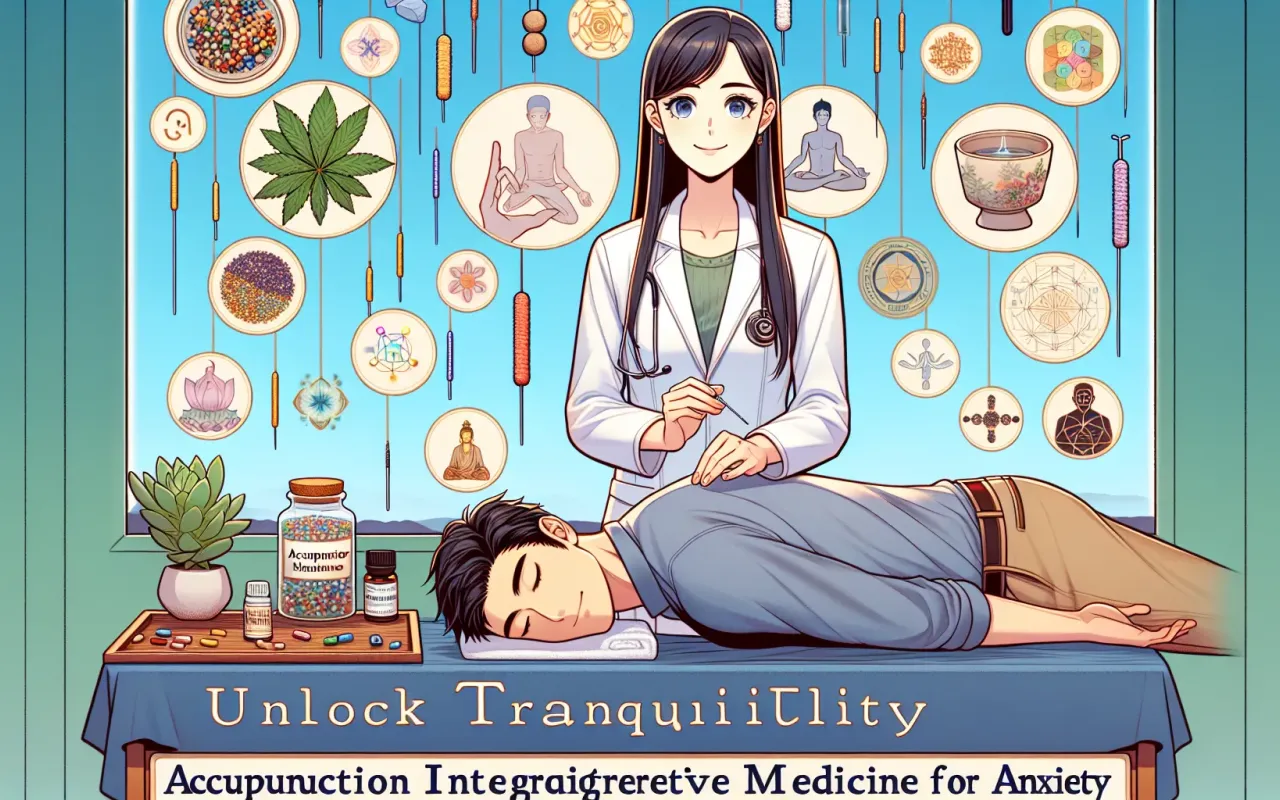
Discover how acupuncture integrative medicine for anxiety offers a holistic approach to alleviate anxiety, reduce stress, and promote overall well-being.
- August 8, 2024
Anxiety disorders are the most common mental health conditions, affecting millions worldwide. While conventional treatment methods such as medication and psychotherapy are widely utilized, alternative therapies like acupuncture are gaining traction. This article delves into how acupuncture integrative medicine for anxiety offers a holistic approach to alleviating anxiety, reducing stress, and promoting overall well-being.
Understanding Anxiety and Its Impact
Anxiety manifests in various ways, including generalized anxiety disorder (GAD), panic disorders, and social anxiety. Symptoms often encompass both emotional and physical aspects—ranging from feelings of worry and tension to physical signs like an increased heart rate and muscle tension. The debilitating nature of anxiety necessitates a multifaceted treatment approach.
What is Acupuncture?
Acupuncture is a centuries-old practice rooted in Traditional Chinese Medicine (TCM). It involves inserting thin needles at specific points on the body to regulate the flow of energy, or "Qi." According to TCM, disruptions in this energy flow can cause physical and emotional imbalances. Acupuncture aims to restore this balance, thereby improving health.
The Integration of Acupuncture in Modern Medicine
Amid the rising popularity of holistic and alternative treatments, acupuncture has found a place in integrative medicine. Integrative medicine combines conventional medical treatments with alternative therapies, offering a more comprehensive approach to healthcare. By incorporating acupuncture, healthcare providers aim to treat the mind, body, and soul for optimal health outcomes.
How Acupuncture Helps Anxiety
Regulating Neurotransmitters
Scientific research has shown that acupuncture can regulate neurotransmitters such as serotonin and dopamine, which are directly linked to mood and stress levels. Balancing these chemicals can lead to a marked reduction in anxiety symptoms.
Reducing Stress Hormones
Stress hormones like cortisol can exacerbate anxiety. Acupuncture has been found to lower cortisol levels, which can alleviate anxiety and improve overall emotional health. By targeting specific acupuncture points, practitioners aim to reduce the body's stress response.
Promoting Relaxation
Acupuncture stimulates the parasympathetic nervous system, often referred to as the "rest and digest" system. This induces a state of relaxation and helps counteract the "fight or flight" response commonly triggered by anxiety.
Long-tail Keywords in Focus
When exploring treatment options, it's helpful to familiarize yourself with related terms such as "holistic anxiety treatments," "integrative approaches to anxiety," and "acupuncture benefits for mental health." Using these terms can lead to more targeted and effective research outcomes, providing a broader understanding of available treatments.
What to Expect in an Acupuncture Session
Initial Consultation
Your first session typically involves a detailed consultation to discuss your medical history, current symptoms, and treatment goals. This holistic assessment helps the practitioner tailor the acupuncture treatment to your specific needs.
Needle Insertion and Treatment
During the session, ultra-thin needles are inserted at specific points on your body. While the idea of needles may sound daunting, the experience is generally painless. You might feel a slight tingling or warming sensation, followed by a deep sense of relaxation.
Follow-up Sessions
Most treatment plans involve multiple sessions. While some people experience relief after just one or two treatments, others may require several sessions to achieve lasting results. Consistency and adherence to the treatment plan are crucial for optimal results.
Combining Acupuncture with Other Treatments
Integrative medicine emphasizes the importance of a combined approach. Acupuncture is often most effective when used in conjunction with other treatments such as:
- Psychotherapy: Cognitive-behavioral therapy (CBT) and other forms of psychotherapy can complement acupuncture by addressing the cognitive aspects of anxiety.
- Medication: While acupuncture can reduce the need for medication in some cases, it can also be used alongside prescribed medications for a comprehensive treatment plan.
- Lifestyle Modifications: Diet, exercise, and stress management techniques such as meditation and yoga can enhance the benefits of acupuncture.
Scientific Evidence Supporting Acupuncture for Anxiety
A growing body of research supports the efficacy of acupuncture in treating anxiety. Studies published in reputable medical journals have demonstrated that acupuncture can significantly diminish anxiety symptoms. Researchers have observed physiological changes, such as reduced heart rate and lowered stress hormone levels, corroborating the subjective reports of reduced anxiety among participants.
Finding a Qualified Acupuncturist
Not all acupuncture practitioners are created equal. Ensure that your acupuncturist is licensed and certified by recognized bodies such as the National Certification Commission for Acupuncture and Oriental Medicine (NCCAOM). Reading reviews and seeking recommendations can also help you find a reputable practitioner.
Conclusion
Acupuncture integrative medicine for anxiety offers a promising alternative for those seeking a holistic approach to mental health. By regulating neurotransmitters, reducing stress hormones, and promoting relaxation, acupuncture addresses the root causes of anxiety. When combined with other treatments and lifestyle modifications, it can provide a comprehensive and effective solution to anxiety disorders.
As always, consult with healthcare professionals to tailor a treatment plan that best suits your individual needs. By integrating acupuncture into your healthcare regimen, you can unlock tranquility and embrace a more balanced, healthy life.