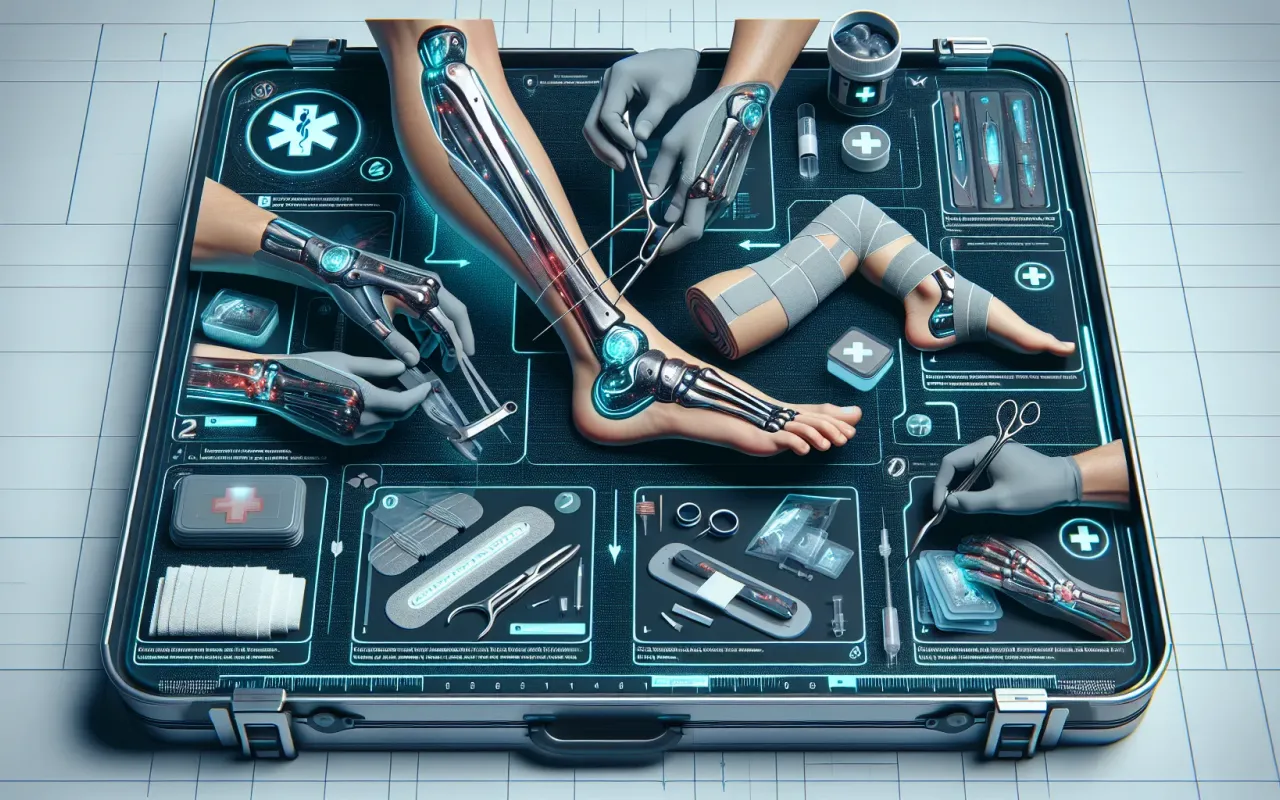
Learn how to treat a fracture with first aid through this comprehensive, step-by-step guide. Stay informed with factually accurate and well-researched advice.
- August 7, 2024
AceShowbiz - Fractures, or broken bones, are common injuries that can occur due to falls, sports injuries, car accidents, or other trauma. Knowing how to treat a fracture with first aid can prevent further damage and alleviate discomfort until professional medical help is available. This comprehensive guide offers a step-by-step approach to managing fractures effectively.
Understanding Fractures
What is a Fracture?
A fracture is a break, crack, or complete shattering of a bone. Fractures can range from minor hairline breaks to severe compound fractures where the bone pierces the skin. Immediate and appropriate first aid can make a significant difference in the outcomes for the affected individual.
Types of Fractures
Fractures are classified into various types, including:
- Simple (Closed) Fracture: The bone is broken but does not pierce the skin.
- Compound (Open) Fracture: The broken bone punctures the skin, increasing the risk of infection.
- Complete Fracture: The bone is broken into two or more parts.
- Incomplete (Greenstick) Fracture: The bone cracks but does not break completely.
- Comminuted Fracture: The bone shatters into three or more pieces.
First Aid for Fractures: Step-by-Step Guide
Step 1: Ensure Safety First
Before providing first aid, make sure the area is safe for both you and the injured person. If necessary, move away from dangerous conditions, such as a busy roadway or unstable debris.
Step 2: Call Emergency Services
If the injury seems serious, immediately call emergency services. Provide detailed information about the injury and follow any instructions given by the operator. This is especially important for compound fractures, suspected spinal injuries, or fractures accompanied by heavy bleeding.
Step 3: Avoid Moving the Injured Area
Do not move the person unless it's necessary to prevent further harm. Avoid manipulating the injured limb or trying to reset the bone. Excessive movement can exacerbate the injury and lead to complications.
Step 4: Immobilize the Fracture
Use a splint to immobilize the fracture. If a splint is not available, use any rigid material – like a piece of wood or rolled-up magazine – to keep the injured area immobile. Secure the splint with bandages or strips of cloth, but avoid tying it too tightly to ensure proper blood circulation.
Step 5: Apply Ice Packs
Place ice packs wrapped in a cloth or towel on the injured area to reduce swelling and pain. Avoid placing ice directly on the skin to prevent frostbite.
Step 6: Elevate the Injured Area
If possible, elevate the injured area above the level of the heart to reduce swelling. However, do not attempt this if it causes pain or isn't feasible due to the injury location.
Step 7: Control Bleeding
For compound fractures with exposed bone and bleeding, apply gentle pressure with a clean cloth to control the bleeding. Avoid pressing directly on the protruding bone and ensure the area is clean to reduce infection risk.
First Aid for Specific Fractures
Fractures of the Arm and Wrist
Immobilize the arm with a sling, making sure the wrist is supported and the elbow is bent in a comfortable position. Apply ice and seek medical attention promptly.
Fractures of the Leg and Ankle
Use a splint to immobilize the leg, ensuring the splint extends beyond the joints above and below the fracture. Elevate the leg and apply ice if possible.
Fractures of the Rib
Rib fractures can be particularly painful and may affect breathing. Avoid wrapping the ribcage tightly, as this can restrict breathing. Instead, help the injured person find a comfortable position and seek medical assistance without delay.
Common Mistakes to Avoid
Attempting to Realign the Bone
Never attempt to realign or set the bone yourself. This should be done by a medical professional to avoid further complications.
Inadequate Immobilization
Improperly immobilizing the injury can exacerbate the damage. Ensure that the splint or makeshift support is rigid and securely fastened without cutting off circulation.
Using Ice Incorrectly
Applying ice directly to the skin can cause frostbite. Always wrap ice packs in a cloth or towel to protect the skin.
When to Seek Medical Attention
It is crucial to seek professional medical help in the following situations:
- The fracture involves the head, neck, or spine.
- The injured person experiences heavy bleeding or shock.
- The bone is protruding through the skin.
- The injured person complains of numbness or loss of sensation.
- There are signs of infection, such as redness, warmth, or pus.
Conclusion
Knowing how to treat a fracture with first aid can significantly affect the injured person's recovery and comfort. By following these detailed steps, you can provide effective and potentially life-saving care. Always prioritize safety, immobilize the injured area, and seek professional medical assistance as soon as possible to ensure the best outcome.