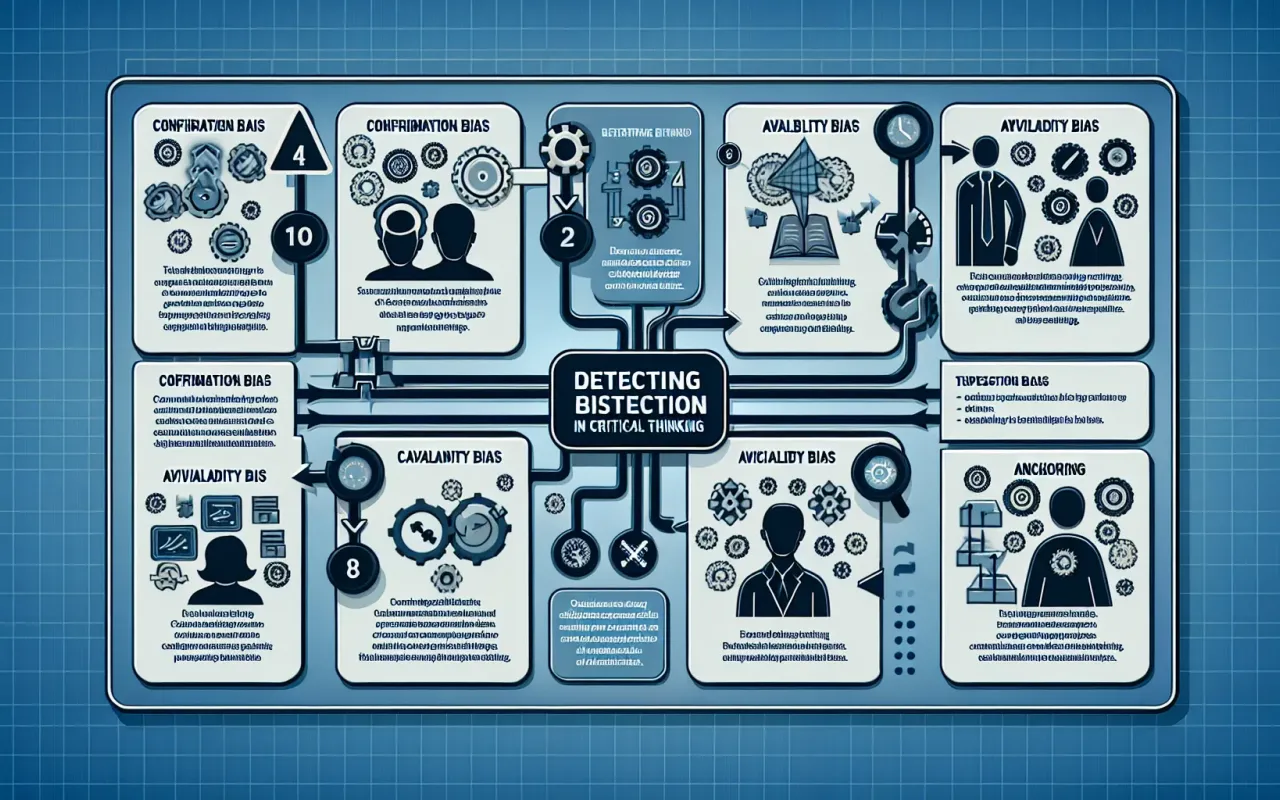
In this article, we'll explore the top 10 ways to detect bias in critical thinking, helping you to refine your analytical skills and improve your decision-making processes.
- August 5, 2024
AceShowbiz - Bias in critical thinking can undermine your ability to make informed decisions and accurate assessments. It's essential to recognize bias to maintain objectivity and fairness. In this article, we'll explore the top 10 ways to detect bias in critical thinking, helping you to refine your analytical skills and improve your decision-making processes.
1. Challenge Assumptions
Many biases stem from unexamined assumptions. One of the most effective ways to detect bias is to actively challenge the assumptions underlying your thoughts and beliefs. Ask yourself whether these assumptions are based on facts or preconceived notions. This habit can help you unveil hidden biases and reevaluate your stance on various issues.
2. Seek Diverse Perspectives
Exposure to different viewpoints can provide a more comprehensive understanding of an issue. Engage with people of different backgrounds, cultures, and experiences to broaden your perspective. This practice can help mitigate biases that arise from limited information or a homogenous social circle.
3. Reflect on Personal Experiences
Our experiences shape our perceptions and, consequently, our biases. Reflect on your personal history and consider how it might influence your opinions. Acknowledging these influences can help you recognize biases that stem from your background, making it easier to address them effectively.
Confirm: Are Your Experiences Universal?
Consider whether your experiences are unique or if they represent a broader trend. Sometimes, what we perceive as a universal truth is, in fact, a personal bias influenced by individual experiences.
4. Utilize Critical Thinking Frameworks
Applying structured frameworks, such as the Scientific Method or SWOT Analysis, can help reduce biases by fostering a systematic approach to problem-solving and critical evaluation. These frameworks encourage you to gather evidence, analyze it objectively, and consider alternative explanations before reaching a conclusion.
5. Be Aware of Cognitive Biases
Cognitive biases are systematic patterns of deviation from norm or rationality in judgment. Familiarize yourself with common cognitive biases, such as confirmation bias, availability heuristic, and anchoring. This awareness will enable you to identify and counteract these biases in your thinking process.
Examples of Cognitive Biases
- Confirmation Bias: Favoring information that confirms your pre-existing beliefs.
- Availability Heuristic: Overestimating the significance of information that is readily available.
- Anchoring: Relying too heavily on the first piece of information encountered.
6. Embrace Continuous Learning
Education and continuous learning are powerful tools against bias. Stay informed about current research and advancements in areas relevant to your field. Engaging with new knowledge can help update and refine your understanding, reducing the likelihood of maintaining outdated biases.
7. Emotion vs. Logic
Emotions can cloud judgment and introduce bias. Differentiate between emotional responses and logical reasoning in your decision-making process. Try to base your conclusions on facts and evidence rather than emotional reactions.
Strategies to Separate Emotion from Logic
Practice mindfulness and emotional regulation techniques such as deep breathing or journaling to calm your mind before making decisions. Reviewing facts objectively can also help in maintaining a logical approach.
8. Peer Review and Feedback
Seeking feedback from peers or mentors can reveal biases that you're unaware of. Allow others to critique your thought processes and provide constructive criticism. This collaborative approach can help refine your critical thinking skills and diminish biases.
Selecting the Right Peers for Feedback
Choose peers who are knowledgeable and unbiased themselves.
9. Question Authority and Popular Opinion
Authority and popular opinion can strongly influence our beliefs and behaviors. Questioning these sources critically is vital for unbiased thinking.
Evaluating Sources
Assess the credibility of sources, considering their expertise, the evidence they present, and their potential biases. This evaluation will help maintain an objective stance in your critical thinking.
10. Practice Metacognition
Metacognition—thinking about your own thinking—can enhance your awareness of biases. Reflect on your thought processes, decisions, and the rationale behind them. This self-awareness can identify and correct biases before they impact your judgments.
Techniques for Developing Metacognition
Use techniques such as journaling your thought processes, engaging in self-questioning, and conducting regular reflections on your decisions and the reasoning behind them.
Conclusion
Detecting bias in critical thinking is an ongoing process that requires awareness, education, and self-reflection. By implementing these top 10 ways to detect bias, you can improve your analytical skills, make more informed decisions, and foster a culture of objectivity and fairness in your personal and professional life.
Remember, the goal is not to eliminate all biases—an impossible task—but to minimize their impact and improve the quality of your critical thinking. Continuously challenge assumptions, seek diverse perspectives, and practice metacognition to enhance your ability to detect and counteract biases effectively.