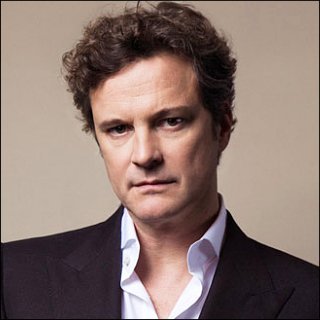
Wesley Wales Anderson, born on May 1, 1969, in Houston, Texas, stands as one of the most distinctive and influential American filmmakers of his generation. Known for his meticulously crafted visual symmetry, deadpan humor, and poignant explorations of grief, loss of innocence, and dysfunctional families, Anderson has been hailed by critics as a true auteur. His singular style, characterized by eccentric characters, vibrant color palettes, and recurring ensemble casts, has earned him a devoted global following and a host of prestigious accolades, including an Academy Award, a BAFTA Award, and multiple nominations for Golden Globes and Oscars.
Anderson’s journey into filmmaking began in earnest after he studied philosophy at the University of Texas at Austin, where he met his frequent early collaborator, Owen Wilson. Together, they crafted the script for his debut feature, Bottle Rocket (1996), a crime caper that, despite a modest commercial reception, immediately signaled his unique voice. He solidified his reputation with the cult classic Rushmore (1998), a witty and melancholic tale of a precocious private school student, which marked the first of his many fruitful collaborations with Bill Murray. This early period, which also included frequent work with Luke Wilson, laid the groundwork for the establishment of his production company, American Empirical Pictures.
The 2000s saw Anderson ascend to the upper echelons of American cinema. His 2001 film, The Royal Tenenbaums, a bittersweet family saga starring Gene Hackman and Anjelica Huston, earned him his first Academy Award nomination for Best Original Screenplay. He continued his creative evolution with the oceanic adventure The Life Aquatic with Steve Zissou (2004) and the spiritual journey The Darjeeling Limited (2007). Demonstrating remarkable versatility, Anderson then ventured into animation with his first stop-motion film, Fantastic Mr. Fox (2009), an adaptation of the Roald Dahl classic that earned him a nomination for the Academy Award for Best Animated Feature and introduced his aesthetic to a new generation of viewers.
Anderson’s later career has been marked by a series of ambitious and acclaimed works that have cemented his legacy. Moonrise Kingdom (2012) earned him his second Oscar nomination for Best Original Screenplay, while his magnum opus, The Grand Budapest Hotel (2014), became his most celebrated film to date. The movie, a dazzling, multi-layered story of a legendary hotel concierge, garnered him his first nominations for Best Director and Best Picture, along with a third Original Screenplay nod, and won him the BAFTA Award for Best Original Screenplay. He continued to push boundaries with his second stop-motion feature, Isle of Dogs (2018), for which he won the Silver Bear for Best Director at the Berlin International Film Festival, followed by the anthology piece The French Dispatch (2021) and the existential drama Asteroid City (2023).
In a fitting culmination of his artistic achievements, Anderson received the Academy Award for Best Live Action Short Film for The Wonderful Story of Henry Sugar in 2023, an adaptation of a Roald Dahl story. His enduring impact on cinema was further solidified when both Rushmore and The Grand Budapest Hotel were inducted into the National Film Registry, and three of his films appeared in BBC Culture's 2016 poll of the greatest films since 2000. With his latest project, The Phoenician Scheme (2025), Anderson continues to be a vital, unpredictable force in filmmaking, maintaining his status as a master storyteller whose work invites audiences into worlds of profound emotional depth wrapped in breathtaking, whimsical artistry.
⭐
Similar Celebrities


📷
Recent Photos
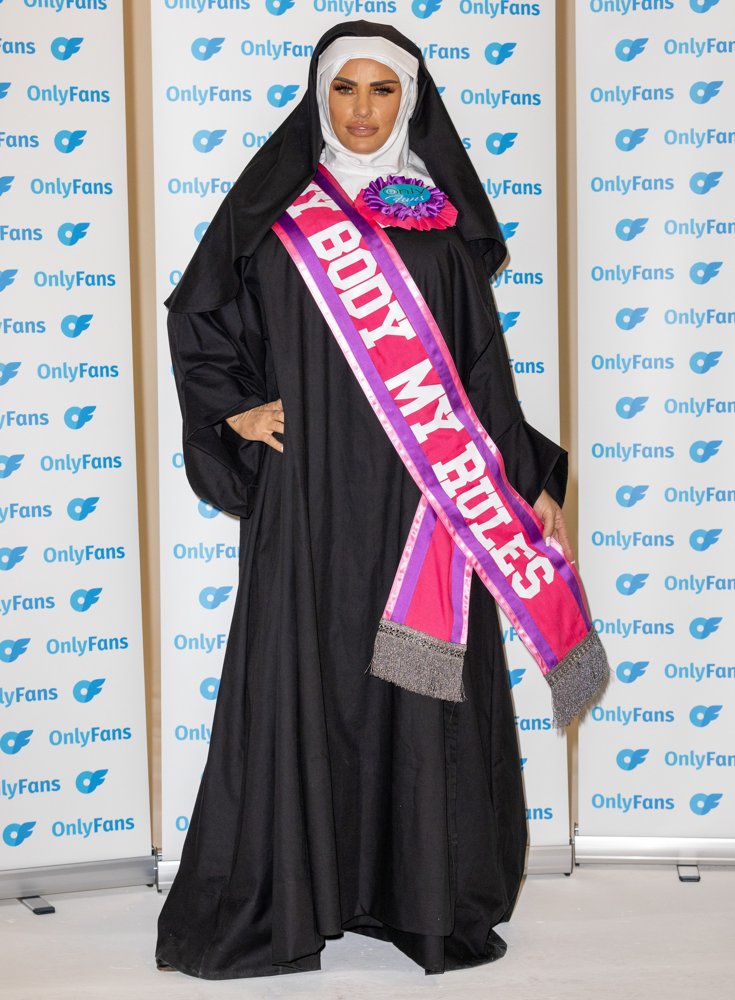
Katie Price
Katie Price Launches Only Fans Channel - Photocall
Jan 26, 2022
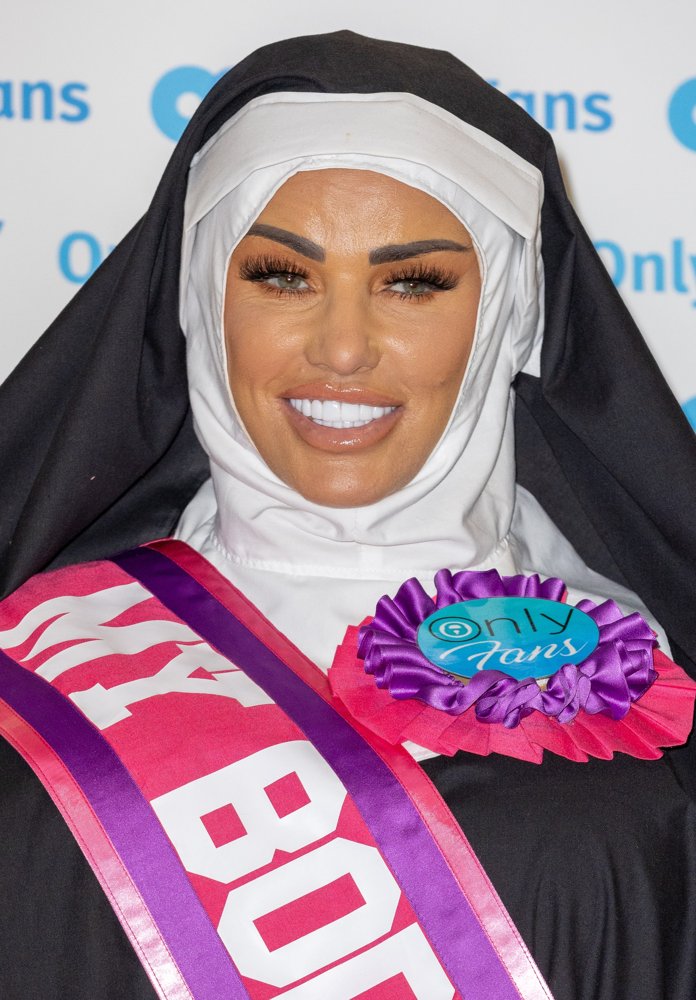
Katie Price
Katie Price Launches Only Fans Channel - Photocall
Jan 26, 2022
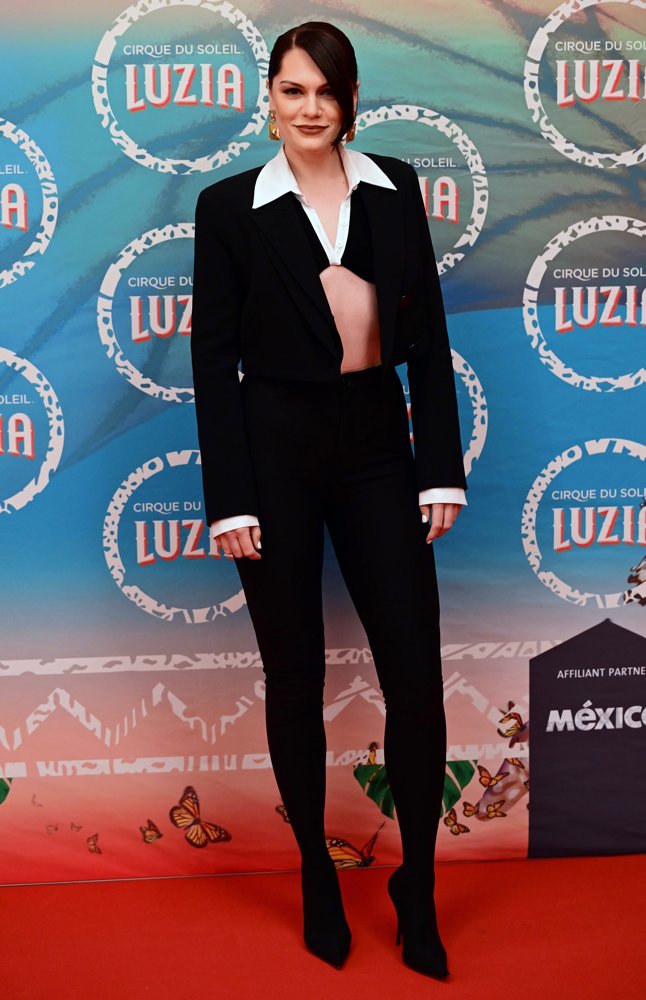
Jessie J
The Premiere of Cirque Du Soleil Luzia
Jan 13, 2022
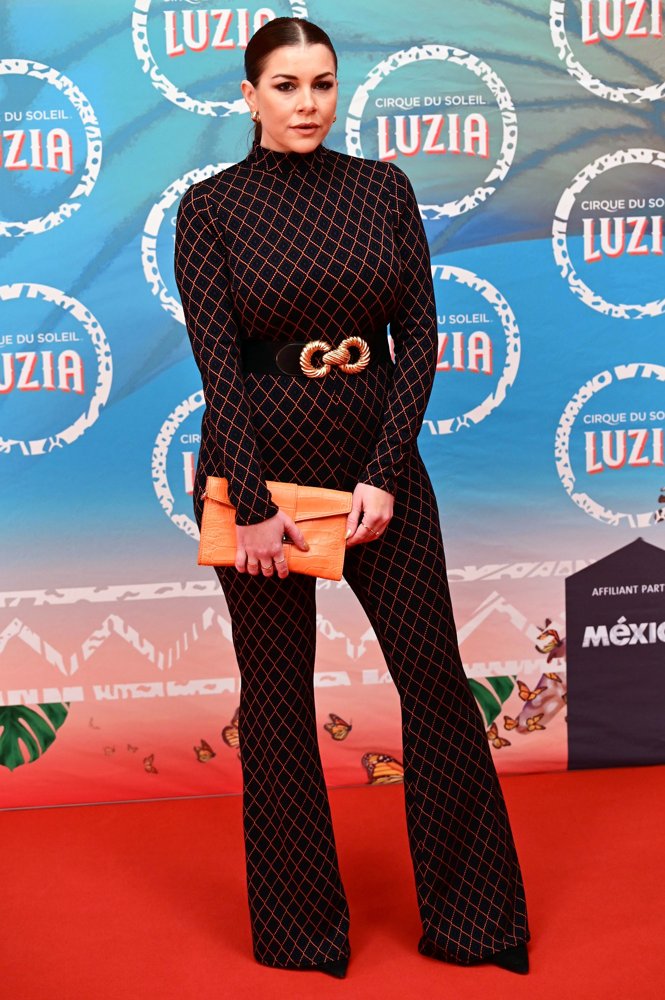
Imogen Thomas
The Premiere of Cirque Du Soleil Luzia
Jan 13, 2022

Hayley Palmer
The Premiere of Cirque Du Soleil Luzia
Jan 13, 2022

Phoenix Chi Gulzar
The Premiere of Cirque Du Soleil Luzia
Jan 13, 2022




⭐Featured Celebrities