Vladimir Vladimirovich Putin, born on October 7, 1952, in Leningrad (now Saint Petersburg), stands as one of the most consequential and controversial political figures of the 21st century. A former intelligence officer who has served as President of Russia since 2012, having previously held the office from 2000 to 2008, Putin has transformed the Russian political landscape into an authoritarian system marked by a pervasive personality cult, endemic corruption, and widespread human rights violations. His rule has consistently drawn international condemnation, with Russia receiving very low scores on indices measuring democratic freedom, press liberty, and corruption, including those from Transparency International, Freedom House, and Reporters Without Borders.
Putin’s early life was shaped by the harsh realities of post-war Leningrad, where he grew up in a communal apartment. He pursued a law degree at Leningrad State University, graduating in 1975, before embarking on a 16-year career with the KGB, where he rose to the rank of lieutenant colonel. His intelligence work included a posting in Dresden, East Germany, during the Cold War, an experience that deeply influenced his worldview. In 1991, he resigned from the KGB to enter politics in Saint Petersburg, where he quickly became a key aide to the city’s reformist mayor, Anatoly Sobchak. This period marked the beginning of his rapid ascent, as he moved to Moscow in 1996 to join the administration of President Boris Yeltsin. After brief stints as director of the Federal Security Service (FSB) and secretary of the Security Council, Putin was appointed Prime Minister in August 1999. When Yeltsin resigned unexpectedly on December 31, 1999, Putin became acting president, and he was elected to his first full term in March 2000.
During his initial two terms, Putin presided over a period of significant economic growth, with the Russian economy expanding by an average of seven percent annually, fueled by a fivefold increase in global oil and gas prices and a series of economic reforms. He also re-established federal control over Chechnya, leading a brutal conflict against separatists that solidified his image as a strong leader. Following constitutional term limits, he stepped down in 2008 and served as Prime Minister under his ally, Dmitry Medvedev, during which time he oversaw the Russo-Georgian War and enacted major military and police reforms. In 2012, he returned to the presidency following an election marred by allegations of fraud and significant public protests. His third term saw Russia’s annexation of Crimea in 2014 and the backing of separatist forces in eastern Ukraine, actions that triggered international sanctions and, combined with falling oil prices, contributed to a severe financial crisis. He also ordered a military intervention in Syria in 2015 to support President Bashar al-Assad, a move that extended Russian influence in the Middle East but drew widespread criticism for its humanitarian toll.
In April 2021, Putin signed constitutional amendments, approved by referendum, that reset his presidential term limits, potentially allowing him to remain in power until 2036. In February 2022, during his fourth term, he launched a full-scale invasion of Ukraine, prompting global outrage and unprecedented sanctions. The invasion led to a partial mobilization in September 2022 and the forced annexation of four Ukrainian oblasts, which were widely condemned as illegal. In March 2023, the International Criminal Court issued an arrest warrant for Putin, alleging criminal responsibility for the illegal deportation of Ukrainian children. Despite these developments, he was reelected in March 2024 in an election that international observers described as beset by record levels of fraud. Under his leadership, Russia has become increasingly isolated on the world stage, yet Putin remains a dominant figure in global geopolitics, with his actions continuing to reshape the international order.
⭐
Similar Celebrities
📷
Recent Photos
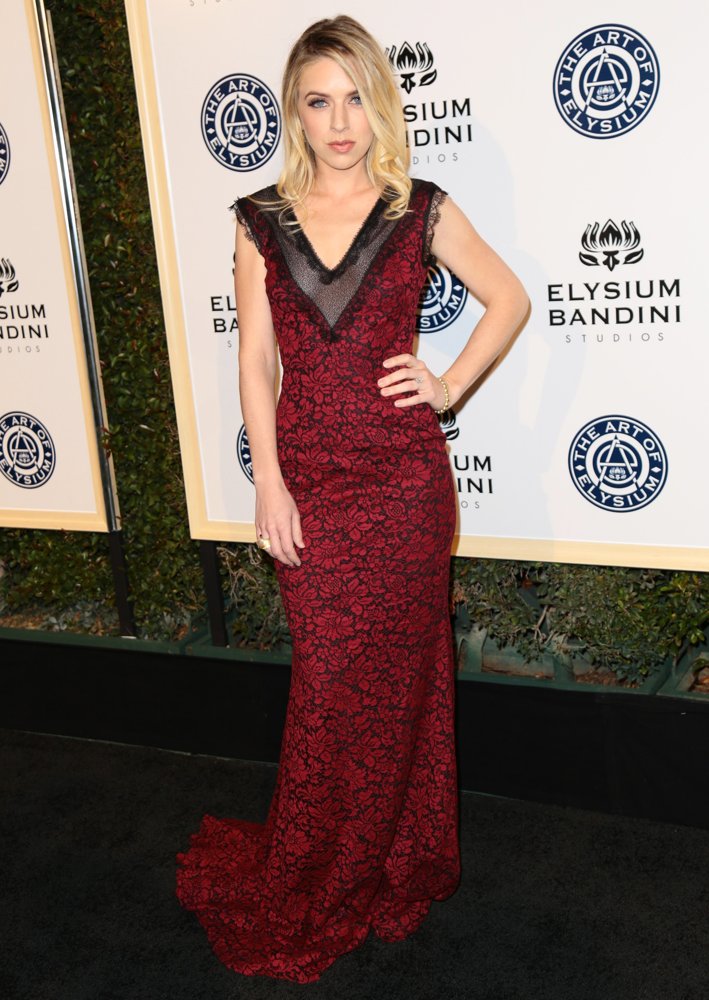
ZZ Ward
The Art of Elysium Presents Stevie Wonder's HEAVEN - Celebrating The 10th Anniversary
Jan 7, 2017
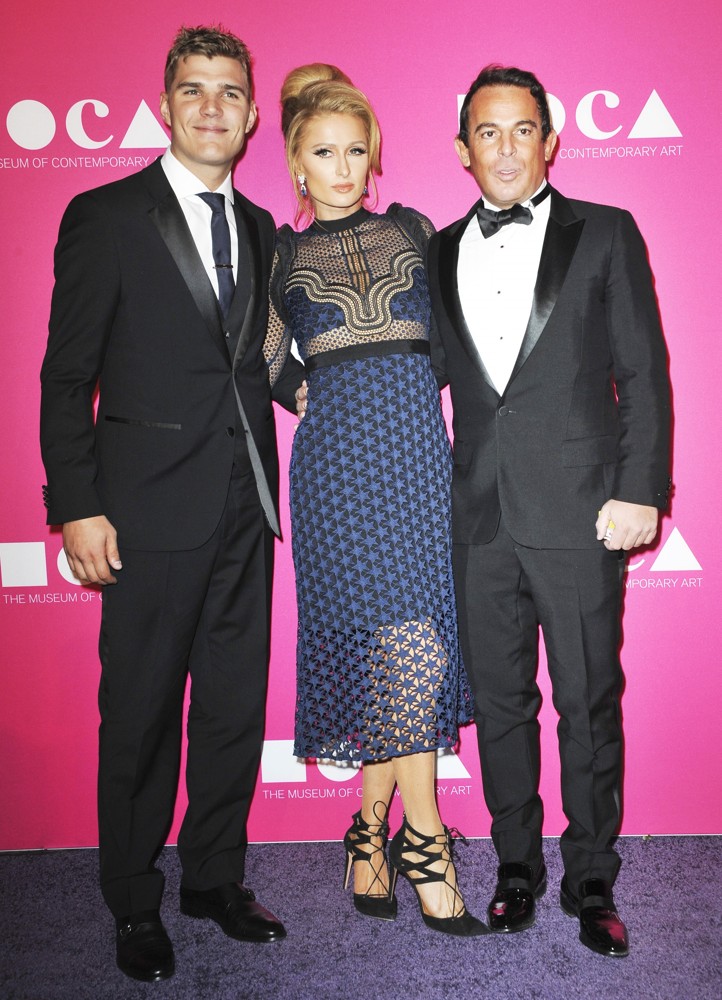
Chris Zylka
MOCA Gala 2017
Apr 29, 2017
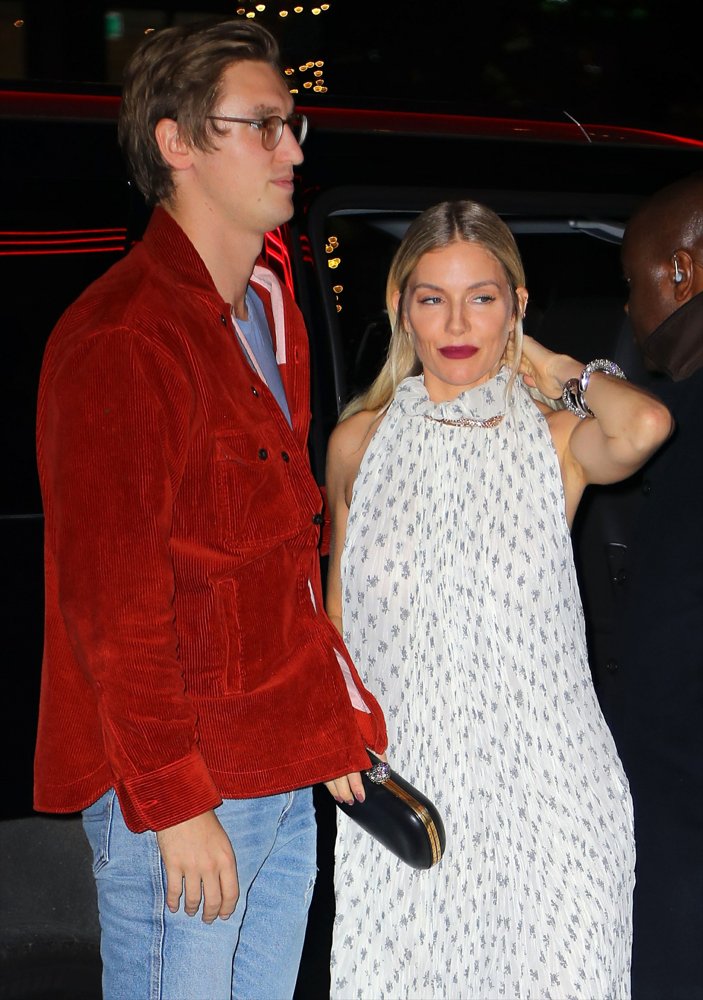
Lucas Zwirner
21 Bridges Screening
Nov 19, 2019
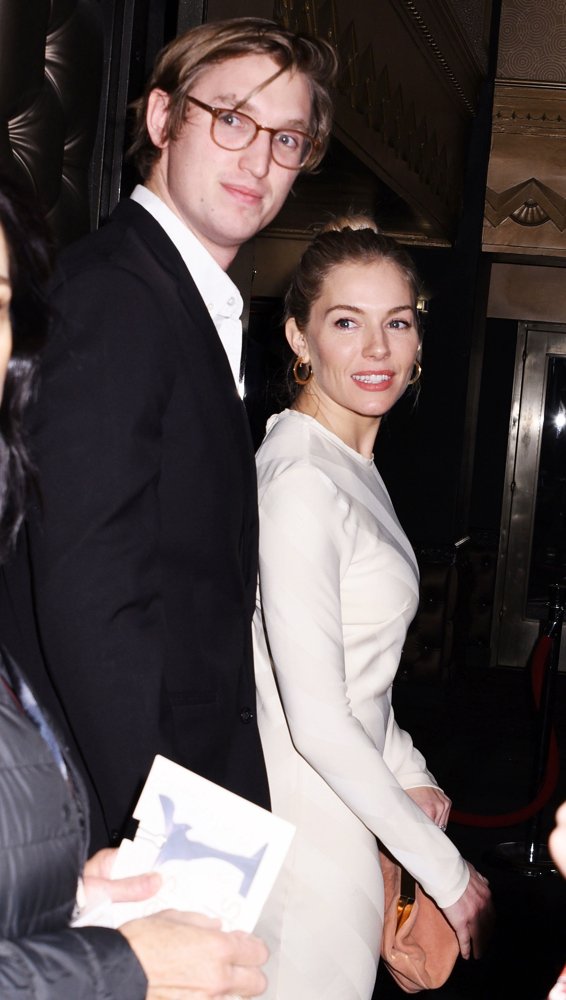
Lucas Zwirner
The 72nd Annual Writers Guild Awards
Feb 1, 2020
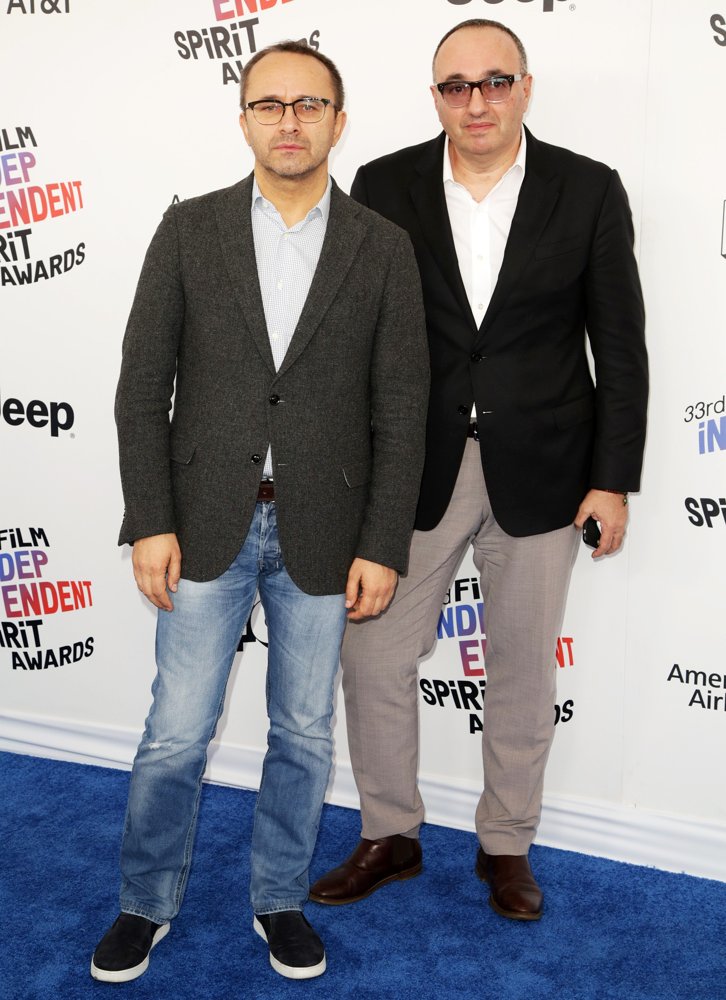
Andrey Zvyagintsev
2018 Film Independent Spirit Awards - Arrivals
Mar 3, 2018

Zuri Tibby
Victoria's Secret Fashion Show Viewing Party - Red Carpet Arrivals
Dec 2, 2018
⭐Featured Celebrities