Marion Hugh "Suge" Knight Jr., born on April 19, 1965, in Compton, California, is a figure whose name became synonymous with the explosive rise and turbulent downfall of gangsta rap in the 1990s. As the co-founder and former CEO of Death Row Records, Knight wielded immense power and influence, shaping the genre's commercial success while cultivating an image of intimidation and violence that would ultimately define his legacy. His journey from a promising college athlete to a central architect of hip-hop's most notorious label is a tale of ambition, controversy, and consequence, and he is currently serving a 28-year prison sentence for a fatal hit-and-run in 2015.
Before his foray into the music industry, Knight was an athletic standout. He played college football as a defensive end at the University of Nevada, Las Vegas, and briefly joined the NFL's Los Angeles Rams as a replacement player during the 1987 players strike. This background in sports gave him a commanding physical presence that would later prove useful in his business dealings. In the early 1990s, Knight transitioned into music management, working with artists like Michel'le and DJ Quik, but his vision crystallized with the founding of Death Row Records in 1991 alongside Dr. Dre. The label's first two releases, Dr. Dre's The Chronic in 1992 and Snoop Dogg's Doggystyle in 1993, were monumental successes, catapulting Death Row to the forefront of West Coast hip-hop and cementing Knight's reputation as a formidable executive who brokered deals through both business acumen and sheer force of will.
Knight's most infamous alliance came in 1995 when he posted a $1.4 million bail for Tupac Shakur, who was imprisoned on a sexual abuse conviction, in exchange for signing the rapper to Death Row. Shakur's subsequent album, All Eyez on Me, released in 1996, became his greatest commercial triumph and solidified the label's dominance. However, that same year, tragedy struck when an unidentified assailant shot into the car Knight was driving in Las Vegas, injuring Knight and fatally wounding Shakur. The incident remains unsolved. Following Shakur's death, Dr. Dre departed the label, and Snoop Dogg followed two years later, leaving Death Row to decline rapidly amid mounting allegations that Knight employed gang members and used violence and intimidation to conduct business. From the late 1990s into the early 2000s, Knight spent several years incarcerated on assault convictions and related probation and parole violations.
Knight's later years were marred by legal troubles and financial struggles. In 2015, he was involved in a fatal hit-and-run in Compton that resulted in the death of Terry Carter. In September 2018, Knight pleaded no contest to voluntary manslaughter, and due to California's three-strikes law, he was sentenced to 28 years in prison. He is eligible for parole in October 2034, when he will be 69 years old. While his contributions to music history are undeniable, Knight's story serves as a cautionary tale about the intersection of power, violence, and the entertainment industry, leaving a complex and enduring mark on the culture he helped shape.
⭐
Similar Celebrities






📷
Recent Photos
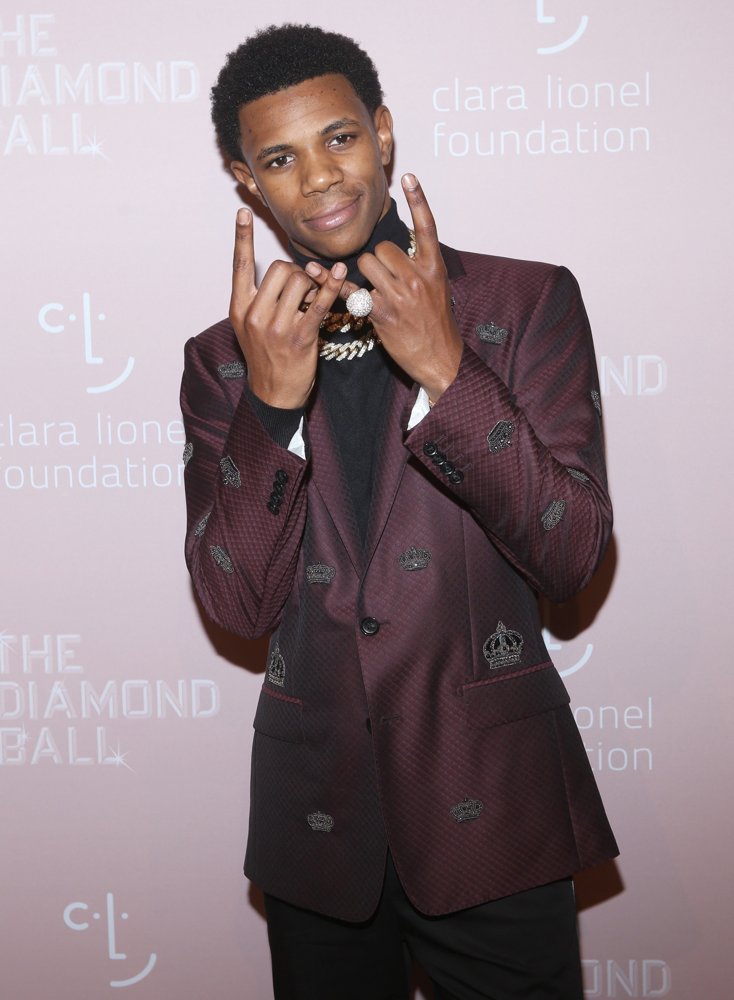
A Boogie Wit Da Hoodie
Rihanna's 4th Annual Diamond Ball
Sep 13, 2018

A Boogie Wit Da Hoodie
Lincoln Center Fashion Gala - An Evening Honoring Coach
Nov 29, 2018

A Boogie Wit Da Hoodie
STARZ Red Carpet Event for Power Final Season World Premiere
Aug 20, 2019

A Fine Frenzy
The 24th Annual Screen Actors Guild Awards - Arrivals
Jan 21, 2018

A Fine Frenzy
World Premiere of Fantastic Beasts: The Crimes of Grindelwald - Arrivals
Nov 8, 2018

A Fine Frenzy
The UK Premiere of Fantastic Beasts: The Crimes of Grindelwald - Arrivals
Nov 13, 2018





⭐Featured Celebrities