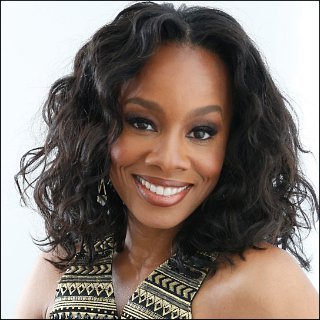
Steve Winwood, born Stephen Lawrence Winwood on 12 May 1948 in Birmingham, England, stands as one of the most enduring and versatile figures in modern popular music. With a career spanning over six decades, he has seamlessly navigated blue-eyed soul, rhythm and blues, blues rock, and pop rock, establishing himself as a virtuoso vocalist and multi-instrumentalist. Distinguished by a remarkably soulful high tenor voice, Winwood is primarily celebrated as a keyboardist and guitarist, though his instrumental mastery extends to mandolin, electric bass, saxophone, flute, drums, and percussion, a breadth of talent that has kept him in constant demand across generations of rock and roll.
Winwood first achieved widespread fame as a teenager in the mid-1960s with the Spencer Davis Group, fronting hits like "Gimme Some Lovin'" and "I'm a Man," which showcased his astonishing vocal power and Hammond organ prowess. Seeking greater creative freedom, he co-founded the psychedelic rock band Traffic in 1967, a group that became a cornerstone of the era's experimental sound and with which he would reunite several times over the decades. In 1969, he joined forces with Eric Clapton, Ginger Baker, and Rick Grech to form the short-lived but legendary supergroup Blind Faith, whose sole album remains a landmark of the genre. These formative years cemented his reputation as a pioneering force in British rock, blending jazz, folk, and soul into a uniquely organic whole.
Following the dissolution of Blind Faith and a period of personal and professional exploration, Winwood launched a solo career that initially favored a more introspective, synth-driven sound. The early 1980s brought his first major solo successes, including "While You See a Chance" from the album Arc of a Diver and "Valerie" from Talking Back to the Night, the latter of which found renewed life as a hit after being remixed for his 1987 compilation Chronicles. However, it was his 1986 album Back in the High Life that marked the commercial zenith of his career, producing the number one single "Higher Love," alongside the title track and "The Finer Things." He repeated this chart-topping feat in 1988 with "Roll with It," the title track of his album of the same name, which also yielded the high-charting "Don't You Know What the Night Can Do?" and "Holding On," solidifying his status as a dominant force on American radio.
Though his era of prolific hit singles concluded with the 1980s, Winwood has remained a vital and respected recording artist, releasing albums like Nine Lives in 2008 and continuing to tour extensively to critical acclaim. His contributions have been recognized with numerous prestigious honors, including two Grammy Awards, an Ivor Novello Award, and a BMI Icon designation. In 2004, he was inducted into the Rock and Roll Hall of Fame as a member of Traffic, and in 2008, Rolling Stone ranked him the 33rd greatest singer of all time. In 2025, he was appointed a Member of the Order of the British Empire (MBE) in the King's Birthday Honours, a fitting tribute to a musician whose innovative spirit and extraordinary voice have left an indelible mark on the landscape of popular music.
⭐
Similar Celebrities

📷
Recent Photos
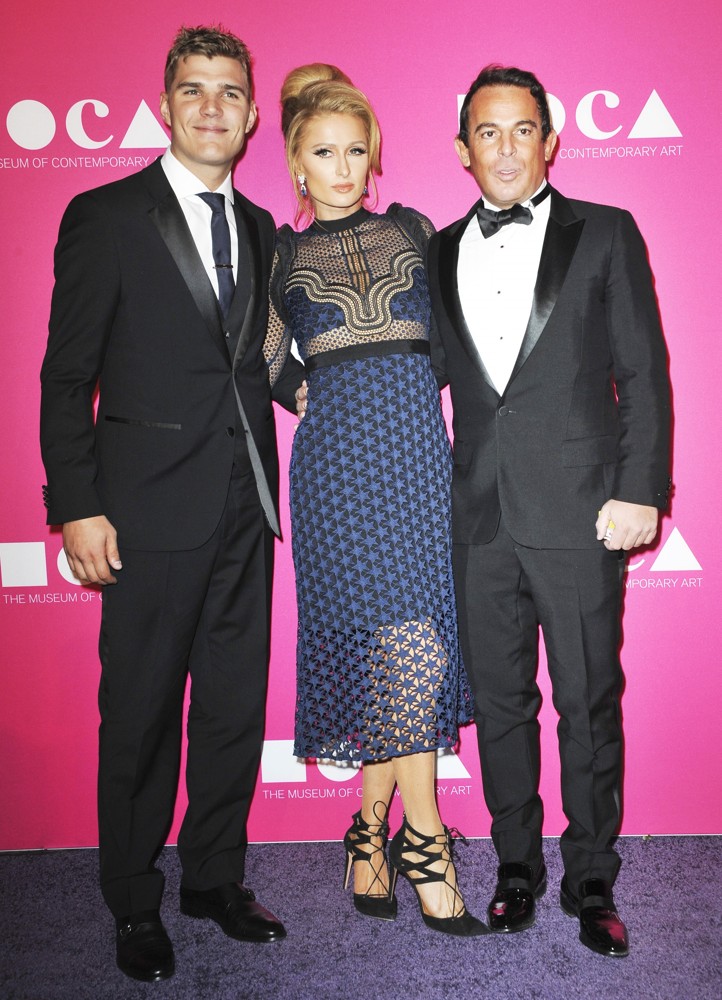
Chris Zylka
MOCA Gala 2017
Apr 29, 2017
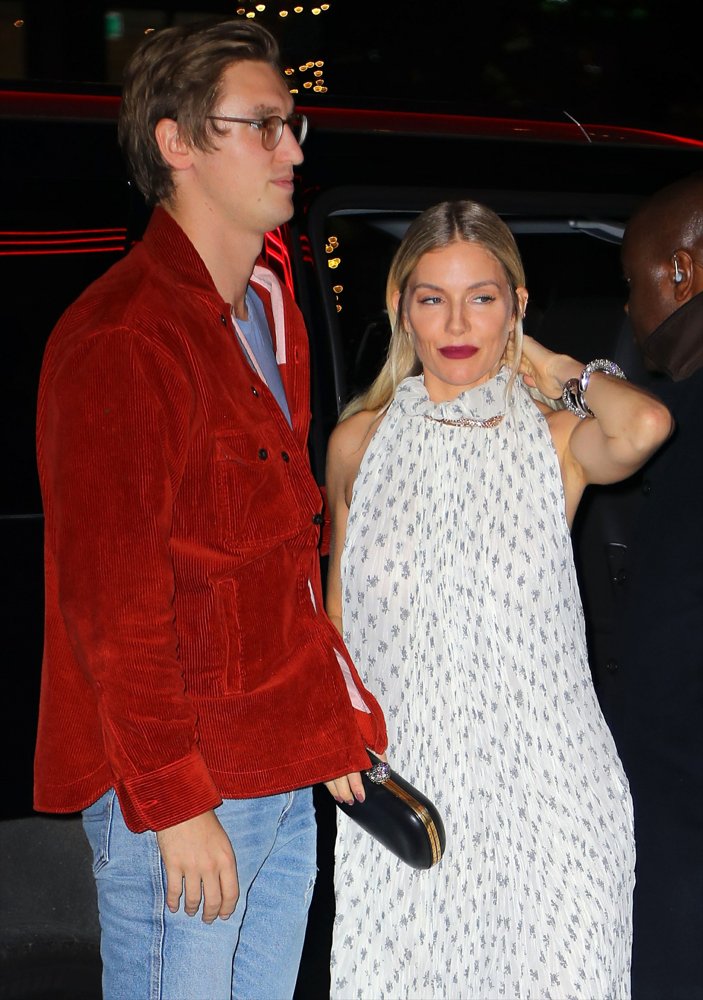
Lucas Zwirner
21 Bridges Screening
Nov 19, 2019

Lucas Zwirner
The 72nd Annual Writers Guild Awards
Feb 1, 2020
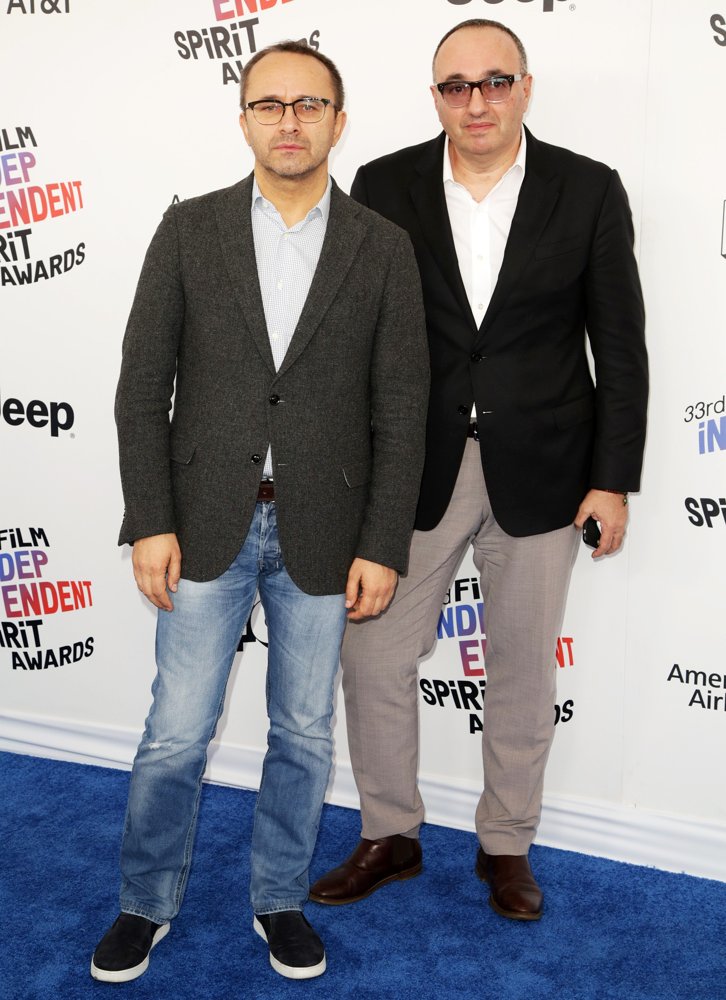
Andrey Zvyagintsev
2018 Film Independent Spirit Awards - Arrivals
Mar 3, 2018

Zuri Tibby
Victoria's Secret Fashion Show Viewing Party - Red Carpet Arrivals
Dec 2, 2018

Zuri Hall
Variety's Power of Women 2019 - Arrivals
Oct 11, 2019




⭐Featured Celebrities