Known to the world as the "King of Cool," Steve McQueen embodied the rebellious, antihero spirit of 1960s counterculture and became one of the most iconic and highest-paid movie stars of his era. Born Terrence Stephen McQueen on March 24, 1930, in Beech Grove, Indiana, his early life was marked by instability; his father abandoned the family, and he was sent to live with his grandparents on a farm. A troubled youth, he spent time in a reform school before joining the U.S. Marines, an experience that instilled in him a sense of discipline but also a fierce independence that would define his persona both on and off the screen.
McQueen began his acting career in New York, studying under Uta Hagen at the Neighborhood Playhouse and landing small roles on Broadway and in television. His first major film role came in the 1958 sci-fi horror film The Blob, which, while not critically acclaimed, became a cult classic and introduced him to a wider audience. His big break arrived when he was cast as Vin Tanner in the ensemble Western The Magnificent Seven (1960), where his magnetic presence held its own against established stars like Yul Brynner and Steve McQueen (as part of the ensemble). This role established his signature screen persona: a quiet, intense man of action with a rebellious streak. He cemented his status as a leading man with his unforgettable performance as Captain Virgil Hilts, the defiant "Cooler King," in The Great Escape (1963), a role that earned him a Moscow International Film Festival Award and a Laurel Award nomination. His iconic motorcycle jump over a barbed-wire fence remains one of cinema's most celebrated stunts, performed largely by McQueen himself.
The mid-to-late 1960s saw McQueen at the peak of his powers, starring in a string of critically and commercially successful films. He earned an Academy Award nomination for Best Actor for his role as a rebellious naval engineer in The Sand Pebbles (1966), a performance that showcased his dramatic range. He then delivered two of his most defining performances: the suave, sophisticated art thief in The Thomas Crown Affair (1968) and the relentless detective Frank Bullitt in Bullitt (1968). The latter film featured a legendary, groundbreaking car chase through the streets of San Francisco, a sequence that set a new standard for action cinema and solidified McQueen's image as a cool, adrenaline-fueled icon. His passion for speed and racing was not just for the screen; he was an accomplished motorcycle and car racer, often competing under the alias "Harvey Mushman," and he produced and starred in the acclaimed documentary On Any Sunday (1971).
McQueen's reign as the world's highest-paid movie star peaked in 1974 with the disaster epic The Towering Inferno, a massive box office hit in which he co-starred with Paul Newman. He also delivered powerful, gritty performances in films like The Getaway (1972) and Papillon (1973), further cementing his legacy as a versatile and compelling actor. However, after The Towering Inferno, he took a four-year hiatus from filmmaking, a period marked by personal struggles and a combative relationship with the Hollywood studio system. His final film, Tom Horn (1980), and the biographical drama The Hunter (1980), were released just before his untimely death. Diagnosed with terminal mesothelioma, a rare cancer linked to asbestos exposure, McQueen defied his doctors' advice and sought alternative treatment in Mexico. He died of a heart attack on November 7, 1980, in Ciudad Juárez, at the age of 50, leaving behind a legacy of cool defiance and a filmography that continues to inspire generations of actors and filmmakers.
⭐
Similar Celebrities

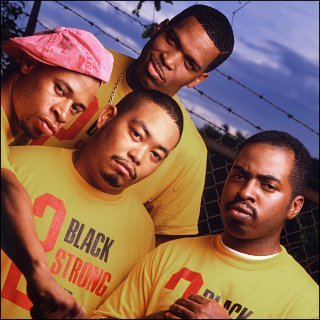

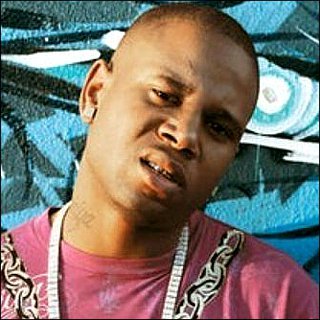
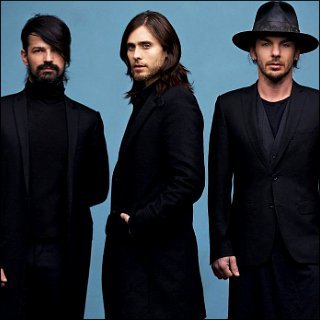
📷
Recent Photos
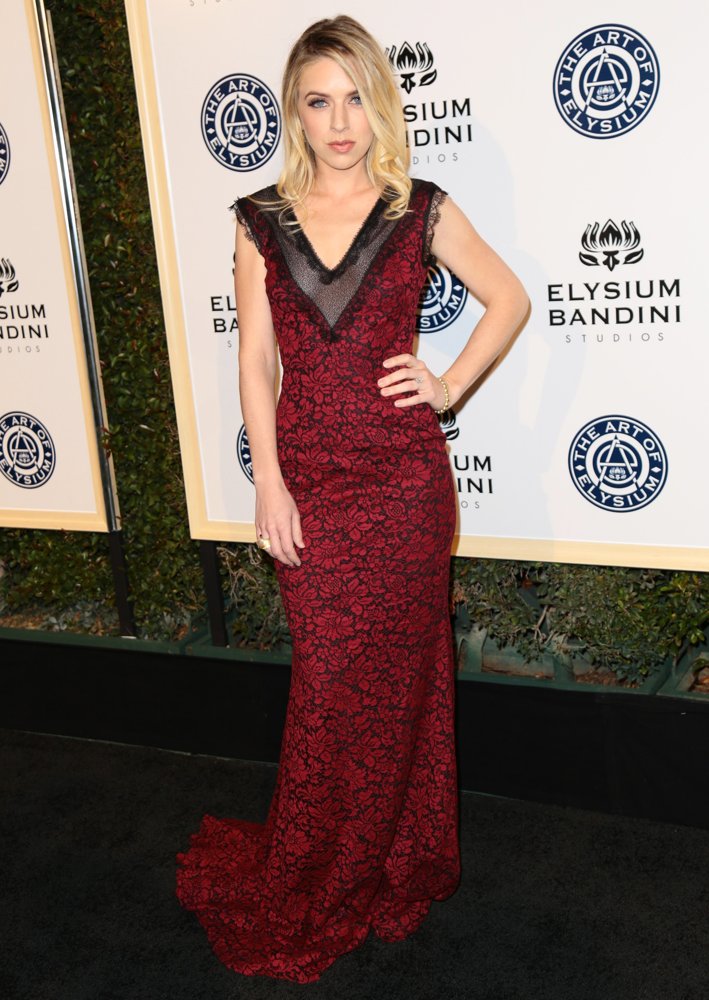
ZZ Ward
The Art of Elysium Presents Stevie Wonder's HEAVEN - Celebrating The 10th Anniversary
Jan 7, 2017

ZZ Ward
56th GRAMMY Awards - P and E Wing Event Honoring Neil Young
Jan 21, 2014

ZZ Ward
56th GRAMMY Awards - P and E Wing Event Honoring Neil Young
Jan 21, 2014

ZZ Ward
56th GRAMMY Awards - P and E Wing Event Honoring Neil Young
Jan 21, 2014

ZZ Ward
2014 ESPYS Awards - Arrivals
Jul 16, 2014

ZZ Ward
2014 ESPYS Awards - Arrivals
Jul 16, 2014



⭐Featured Celebrities