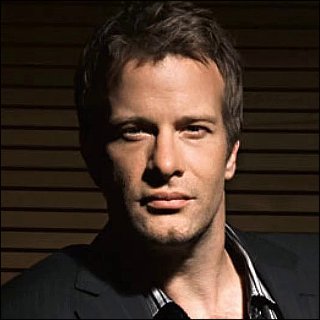
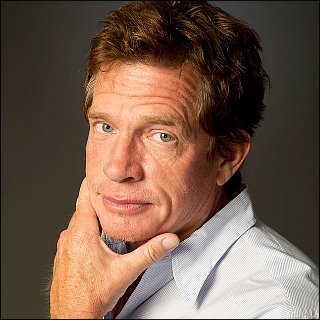
Salvatore Phillip "Sonny" Bono was a man of many lives, a singular American figure whose career spanned the dizzying heights of pop music stardom and the solemn halls of the United States Congress. Born on February 16, 1935, in Detroit, Michigan, Bono's journey from a struggling songwriter to a global icon and later a respected politician remains one of the most unconventional success stories in American entertainment and public life. He passed away tragically on January 5, 1998, at the age of 62, leaving behind a legacy that was officially cemented into law with the passage of the Copyright Term Extension Act, a piece of legislation named in his honor.
Bono's early life was marked by a move to Los Angeles and a deep-seated passion for music. Before finding fame, he worked a series of odd jobs while tirelessly pursuing a career in the industry, eventually landing a position as a songwriter and producer for the legendary Phil Spector. It was during this period that he met a young singer named Cherilyn Sarkisian, better known as Cher. The pair married in 1964 and soon formed the duo Sonny & Cher, a partnership that would redefine the sound of the decade. Their breakthrough came with the release of "I Got You Babe" in 1965, a massive hit that catapulted them to international fame and established them as the quintessential hippie couple of the era. Their success extended beyond records into television, where they hosted The Sonny & Cher Comedy Hour, a variety show that became a ratings powerhouse in the 1970s and showcased Bono's comedic timing alongside Cher's burgeoning solo career.
As the duo's musical and television popularity waned in the late 1970s, Bono's ambitions shifted toward the business and political realms. He opened a successful restaurant in Los Angeles and became deeply involved in the civic life of Palm Springs, California. His political career began in earnest when he was elected mayor of Palm Springs in 1988, a position he held until 1992. During his tenure, he focused on revitalizing the city's downtown and improving its infrastructure, gaining a reputation as a pragmatic and effective local leader. This local success fueled his ambition for higher office, and in 1994, he was elected to the U.S. House of Representatives as a Republican, representing California's 44th district. In Congress, Bono was known for his work on copyright law and intellectual property issues, a natural extension of his years in the entertainment industry.
Bono's life was tragically cut short when he died in a skiing accident at the Heavenly Ski Resort in South Lake Tahoe, Nevada, on January 5, 1998. His death sent shockwaves through both the entertainment and political worlds. In the aftermath, his widow, Mary Bono, was elected to succeed him in Congress. One of the most enduring tributes to his legislative work came later that year when Congress passed the Sonny Bono Copyright Term Extension Act, which extended copyright protection by 20 years, a direct result of the advocacy he had championed alongside his wife. Today, Sonny Bono is remembered as a multifaceted pioneer who navigated the worlds of pop culture and politics with an unlikely and enduring charisma, leaving an indelible mark on American history that far outlived his final act.
⭐
Similar Celebrities



📷
Recent Photos

Katie Price
Katie Price Launches Only Fans Channel - Photocall
Jan 26, 2022

Katie Price
Katie Price Launches Only Fans Channel - Photocall
Jan 26, 2022

Jessie J
The Premiere of Cirque Du Soleil Luzia
Jan 13, 2022
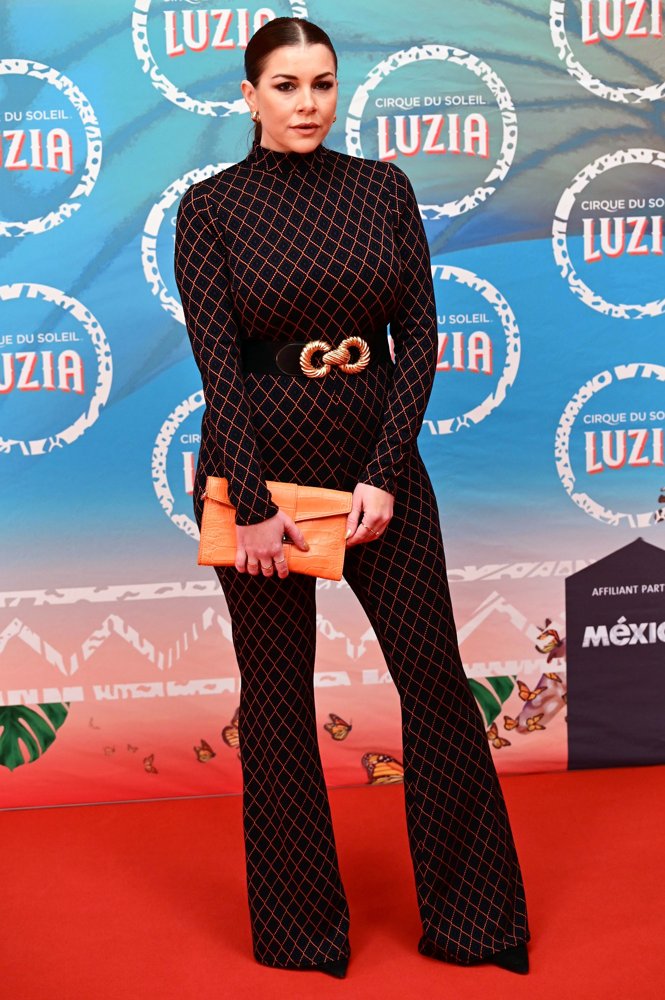
Imogen Thomas
The Premiere of Cirque Du Soleil Luzia
Jan 13, 2022

Hayley Palmer
The Premiere of Cirque Du Soleil Luzia
Jan 13, 2022

Phoenix Chi Gulzar
The Premiere of Cirque Du Soleil Luzia
Jan 13, 2022




⭐Featured Celebrities