Russell Wendell Simmons, born on October 4, 1957, stands as one of the most transformative and controversial figures in American entertainment and business. As a pioneering entrepreneur, record executive, and author, he fundamentally reshaped the cultural landscape by bringing hip-hop from the streets of New York into the global mainstream. Through his co-founding of Def Jam Recordings and his ventures in fashion and media, Simmons built an empire that defined an era, though his legacy has been profoundly complicated by the sexual misconduct allegations that emerged against him in 2017.
Simmons grew up in the Hollis neighborhood of Queens, New York, the son of a public school teacher and a park supervisor. He attended the City College of New York, where he studied sociology, but his true education came from the burgeoning hip-hop scene of the late 1970s. He began his career in the music industry by managing local artists, most notably Kurtis Blow, whose 1980 single "The Breaks" became one of the first gold records in hip-hop history. He then expanded his roster to include Run DMC, the pioneering group fronted by his younger brother, Joseph "Run" Simmons, along with Darryl McDaniels and Jason Mizell. His work with Run DMC, as well as with acts like Whodini and Jimmy Spicer, established him as a savvy and visionary manager who understood the commercial potential of a genre that many in the industry dismissed.
In 1984, Simmons joined forces with producer Rick Rubin to co-found Def Jam Recordings, a label that would become synonymous with the golden age of hip-hop. While Rubin brought a raw, minimalist production aesthetic, Simmons provided the business acumen and street-level connections that allowed the label to flourish. Under their leadership, Def Jam signed a staggering array of talent, including the Beastie Boys, LL Cool J, and Public Enemy, each of whom became defining voices of the genre. After Rubin's departure in the late 1980s, Simmons took over as chairman and continued to guide the label to new heights, signing future superstars such as Jay-Z, DMX, and Kanye West. His influence extended beyond music when he created and produced the hit television series Def Comedy Jam, which ran from 1992 to 1997 and served as a launching pad for comedians like Martin Lawrence and Chris Rock, further cementing his status as a cultural gatekeeper.
Beyond music and television, Simmons built a diverse business portfolio that made him one of the wealthiest figures in entertainment, with his net worth estimated at $340 million in 2011. He founded the clothing lines Phat Farm, Argyleculture, and Tantris, with Phat Farm becoming a major force in urban fashion during the 1990s and early 2000s. In his later years, he became a prominent advocate for veganism and a yoga lifestyle, authoring several books on health, spirituality, and entrepreneurship, including "Do You!" and "Success Through Stillness." He also co-founded Rush Communications, a conglomerate that included music, film, and television interests, and he was instrumental in bringing the Yoga to the People movement to a wider audience, founding the Tantris yoga studios in New York and Los Angeles.
However, Simmons' public standing suffered a catastrophic blow in late 2017 when multiple women publicly accused him of sexual assault and misconduct spanning several decades. These allegations, which were detailed in a On the Record documentary and numerous news reports, led to his immediate resignation from his various business roles and charitable positions, including stepping down from Def Jam. He has consistently denied all allegations, maintaining that his relationships were consensual, but the accusations effectively ended his public career. Despite his attempts to return to the spotlight, including launching new wellness ventures and posting on social media, Simmons remains a deeply polarizing figure whose monumental contributions to music and culture are forever overshadowed by the serious allegations against him. His story serves as a complex study of power, creativity, and accountability in the entertainment industry.
⭐
Similar Celebrities



📷
Recent Photos
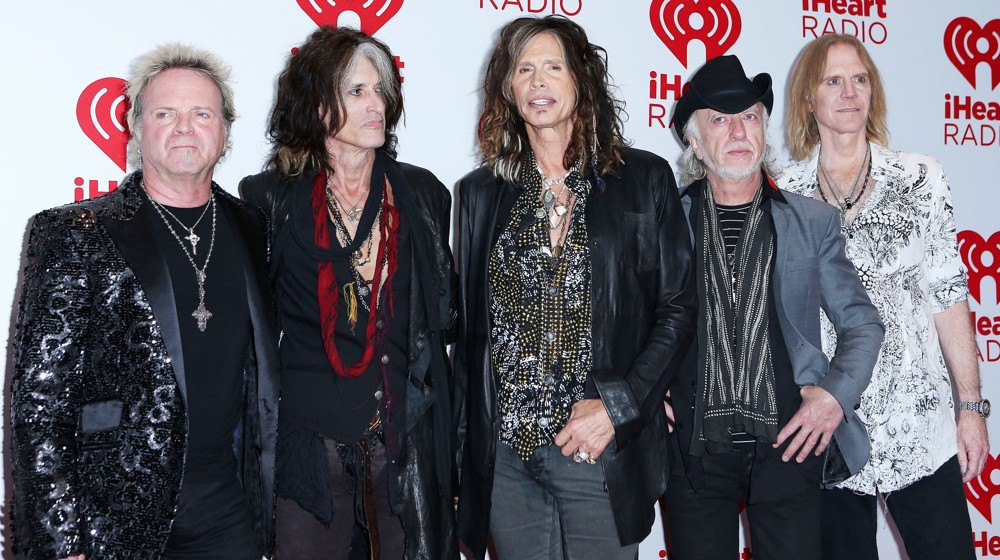
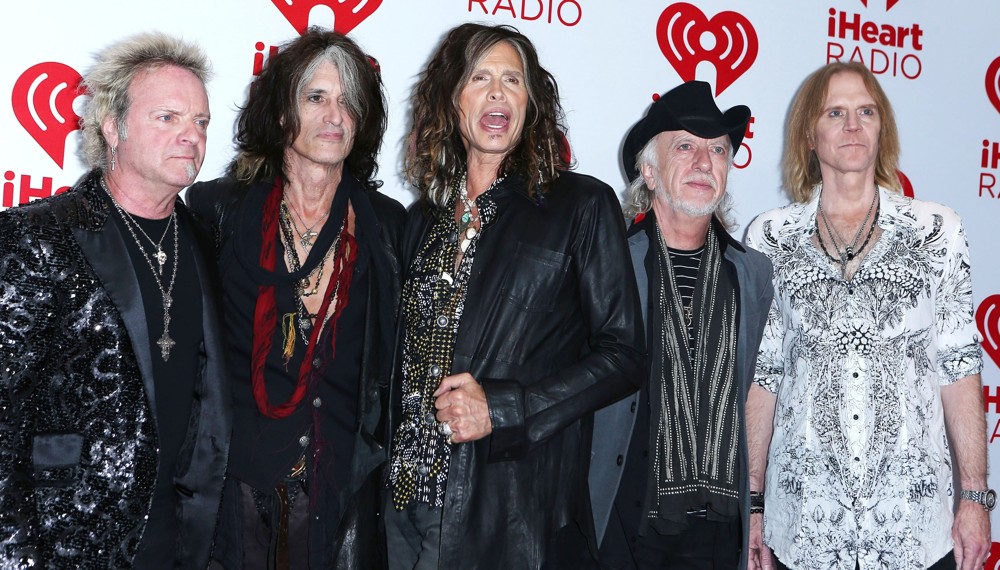
Aerosmith
2012 iHeartRadio Music Festival - Day 2 - Arrivals
Sep 22, 2012
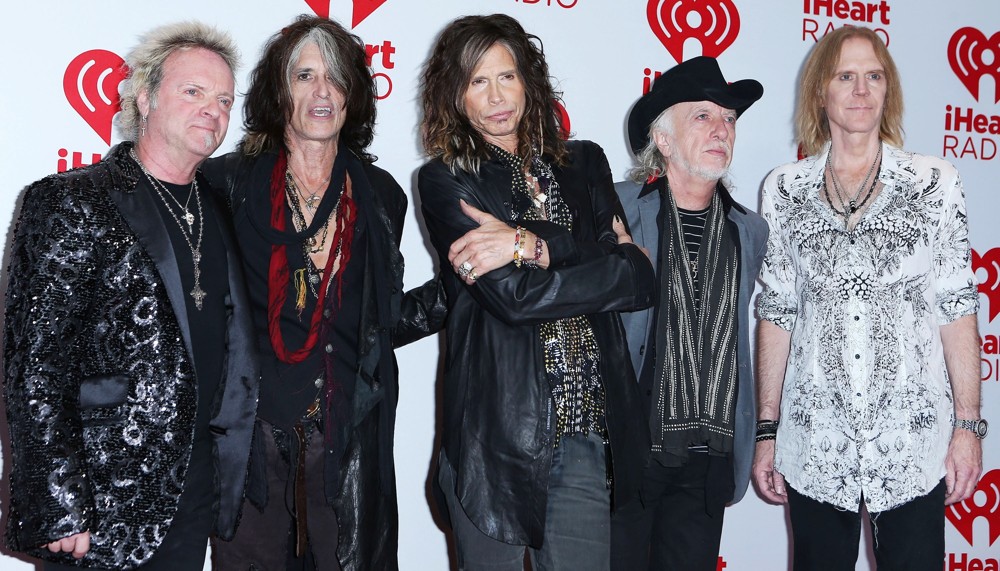
Aerosmith
2012 iHeartRadio Music Festival - Day 2 - Arrivals
Sep 22, 2012
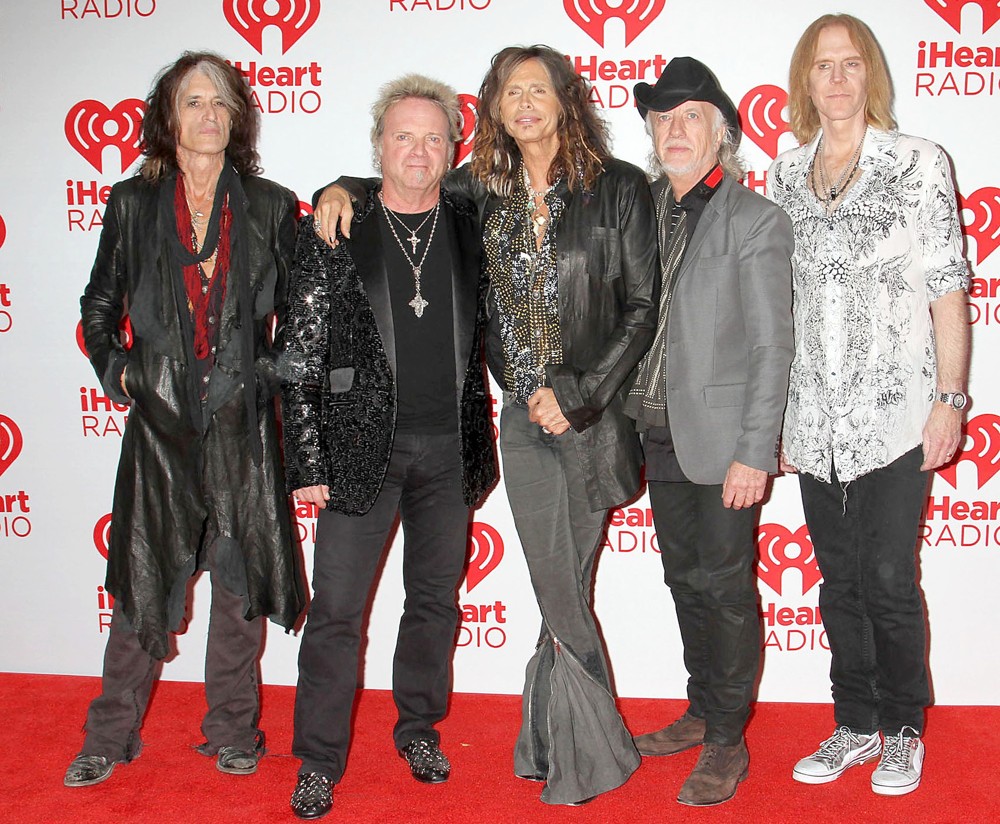
Aerosmith
2012 iHeartRadio Music Festival - Day 2 - Arrivals
Sep 22, 2012
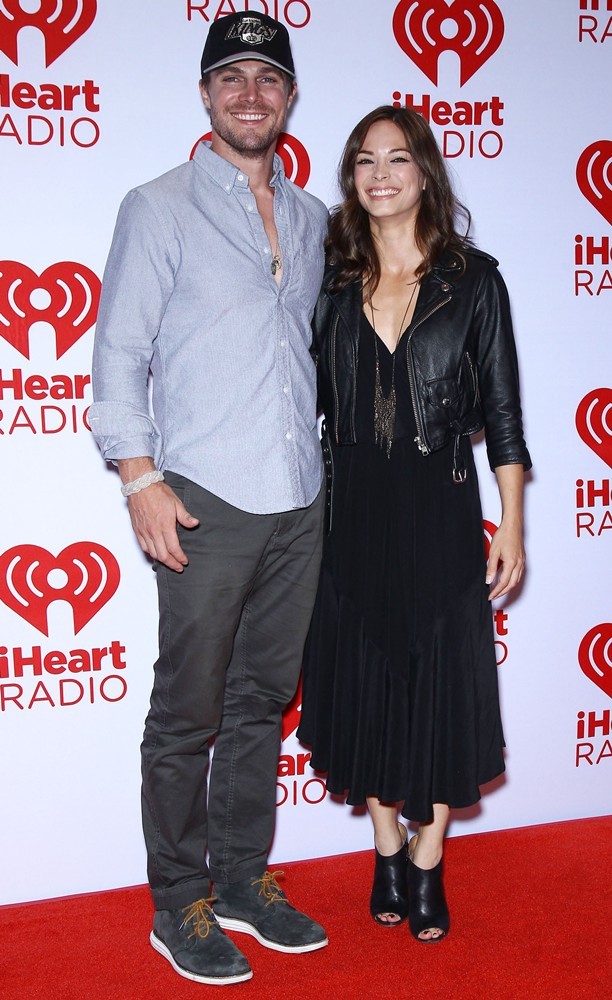
Aerosmith
2012 iHeartRadio Music Festival - Day 2 - Arrivals
Sep 22, 2012
Stephen Amell
2012 iHeartRadio Music Festival - Day 2 - Arrivals
Sep 22, 2012

Anna Chlumsky
BAFTA Los Angeles TV Tea 2012 Presented by BBC America - Arrivals
Sep 22, 2012




⭐Featured Celebrities