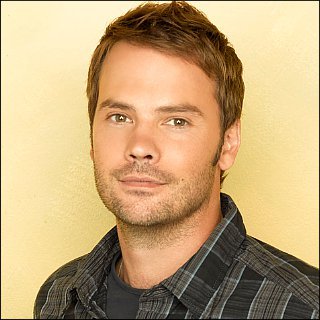
Paul Le Mat, born on September 22, 1945, is an American actor who rose to prominence with a breakout performance that earned him a Golden Globe Award, establishing him as a distinctive talent in 1970s and 1980s cinema. He first captured the attention of audiences and critics alike with his role in George Lucas’s seminal coming-of-age film American Graffiti (1973), where his portrayal of the charismatic and conflicted John Milner was met with widespread acclaim. This performance not only launched his career but also earned him the Golden Globe Award for New Star of the Year – Actor, a testament to his immediate impact on the industry.
Following the success of American Graffiti, Le Mat landed the lead role in the box office hit Aloha, Bobby and Rose (1975), a road movie that further showcased his ability to anchor a film with emotional depth and authenticity. He continued to build a reputation for working with visionary directors, particularly Jonathan Demme, with whom he collaborated on two notable projects. In Handle with Care (1977), later retitled Citizens Band, Le Mat delivered a nuanced performance in a quirky ensemble piece about CB radio culture. He reunited with Demme for Melvin and Howard (1980), a critically acclaimed film where he played the title character, Melvin Dummar, a man who claimed to have helped Howard Hughes. This role solidified Le Mat’s standing as a character actor capable of blending humor and pathos, earning him further recognition in the independent film scene.
Le Mat’s versatility extended to television, where he won a second Golden Globe Award for his performance in the TV film The Burning Bed (1984). In this harrowing true-story drama, he portrayed the abusive husband of Farrah Fawcett’s character, demonstrating a chilling intensity that highlighted his range as a performer. Later in his career, he starred in the cult horror film Puppet Master (1989), which spawned a successful franchise and introduced him to a new generation of genre fans. Throughout his career, Le Mat has been celebrated for his ability to inhabit complex, often blue-collar characters with a naturalistic ease. While his later work has been less frequent, his contributions to American cinema during the 1970s and 1980s remain influential, and he continues to be remembered as a key figure from the New Hollywood era.
⭐
Similar Celebrities




📷
Recent Photos
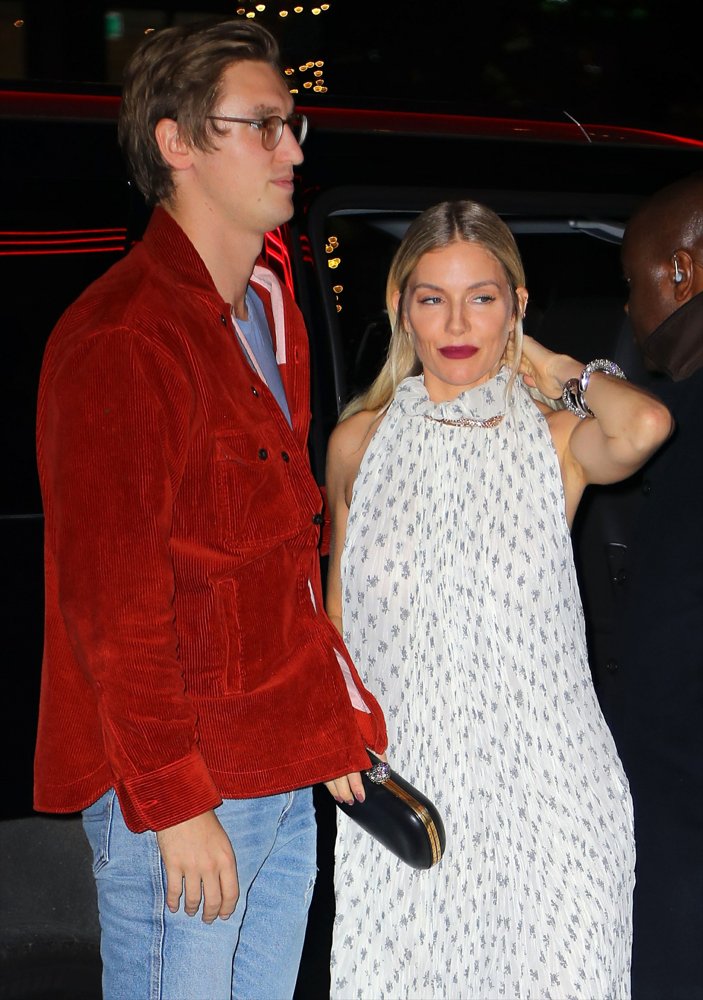
Lucas Zwirner
21 Bridges Screening
Nov 19, 2019
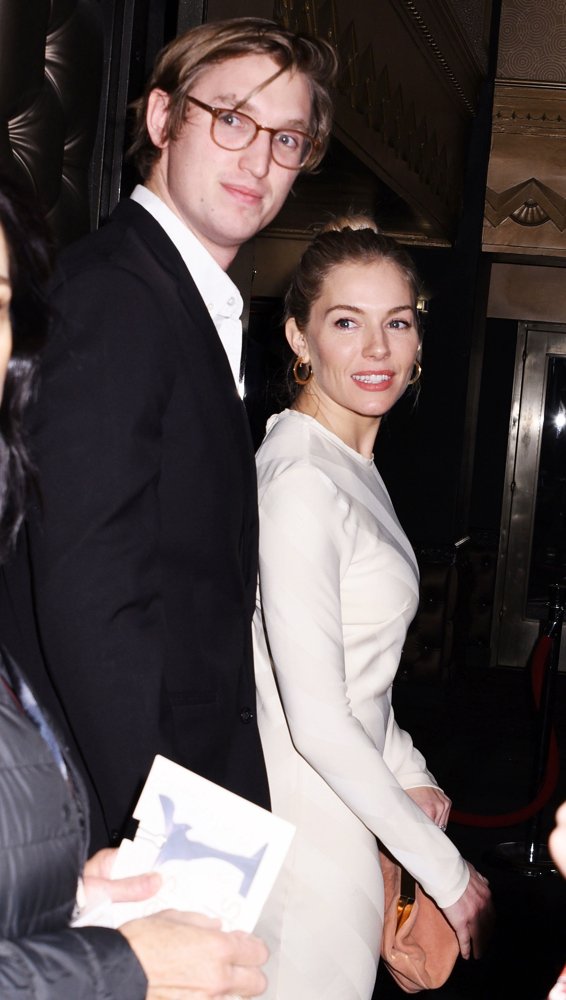
Lucas Zwirner
The 72nd Annual Writers Guild Awards
Feb 1, 2020
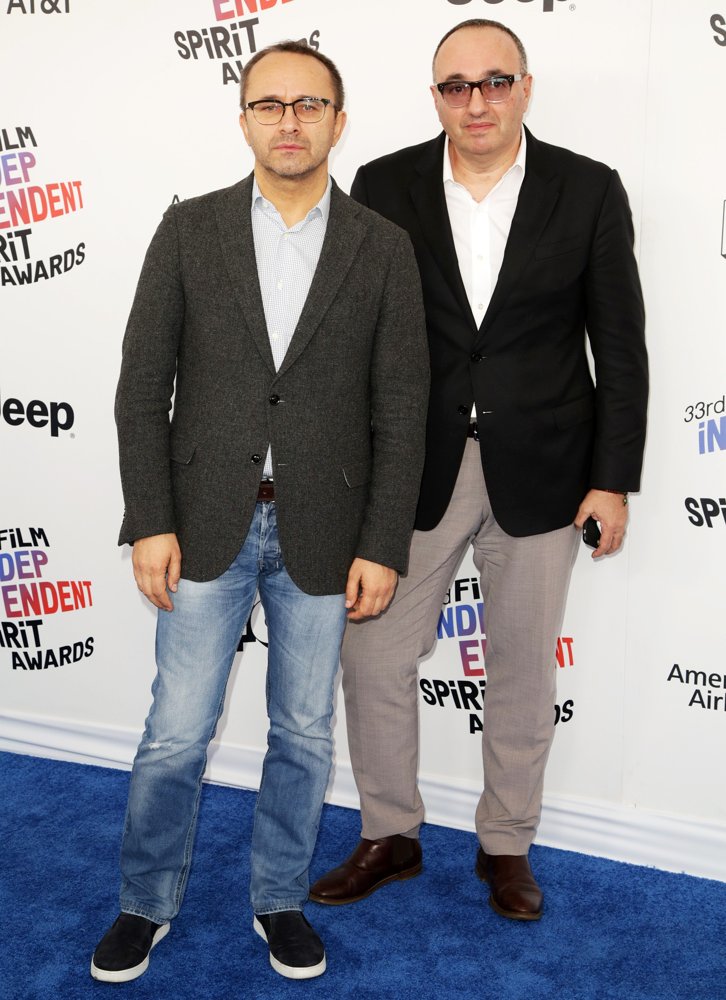
Andrey Zvyagintsev
2018 Film Independent Spirit Awards - Arrivals
Mar 3, 2018

Zuri Tibby
Victoria's Secret Fashion Show Viewing Party - Red Carpet Arrivals
Dec 2, 2018
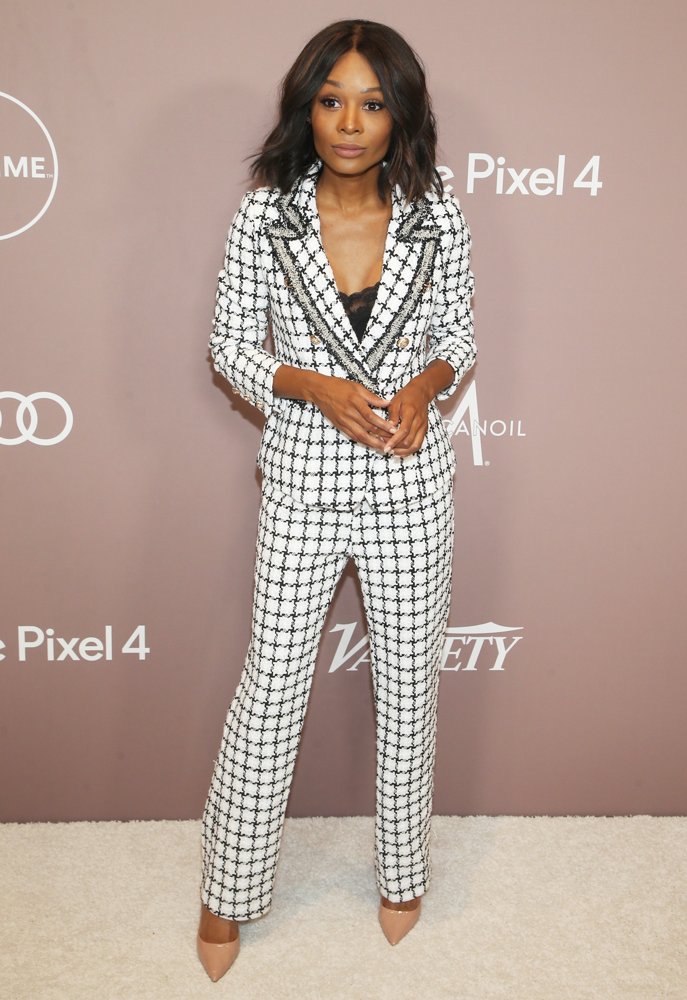
Zuri Hall
Variety's Power of Women 2019 - Arrivals
Oct 11, 2019

Zuri Hall
LA Premiere of The Spy Who Dumped Me
Jul 25, 2018





⭐Featured Celebrities