Dame Olivia Mary de Havilland, born on July 1, 1916, in Tokyo, Japan, stands as one of the last and most luminous stars from the Golden Age of Hollywood cinema, a career spanning over five decades that left an indelible mark on the film industry. The daughter of a British father and a mother who would later become a noted actress, de Havilland spent her early years in Japan before moving to California, where her natural talent for performance was quickly recognized. She rose to prominence alongside Errol Flynn in a series of swashbuckling adventure films, including Captain Blood in 1935 and The Adventures of Robin Hood in 1938, establishing herself as a beloved screen ingénue. However, it was her portrayal of the gentle and steadfast Melanie Hamilton in the epic Gone with the Wind in 1939 that cemented her place in cinematic history, earning her the first of five Academy Award nominations, the only one for Best Supporting Actress.
The 1940s marked a pivotal transformation for de Havilland as she deliberately moved away from ingénue roles to take on more complex and dramatic characters, a shift that would define her legacy. She delivered a series of acclaimed performances in films such as Hold Back the Dawn in 1941, To Each His Own in 1946, The Snake Pit in 1948, and The Heiress in 1949, earning four Best Actress nominations and winning the Oscar twice, for To Each His Own and The Heiress. Beyond her acting, de Havilland made a landmark contribution to the industry itself by legally challenging the studio system's restrictive contract practices. Her victorious lawsuit, known as the "de Havilland Law," in 1943, effectively ended the long-term, seven-year contracts that bound actors to studios, granting them greater freedom and reshaping Hollywood labor practices for generations.
De Havilland also enjoyed success on stage, appearing on Broadway in productions such as Romeo and Juliet in 1951, Candida in 1952, and A Gift of Time in 1962, and she transitioned gracefully into television later in her career. She garnered a Primetime Emmy Award nomination for her role in the miniseries Anastasia: The Mystery of Anna in 1986, for which she won a Golden Globe Award for Best Supporting Actress in a Television Movie or Series, and she appeared in the groundbreaking miniseries Roots: The Next Generations in 1979. Her personal life was marked by a famously publicized rivalry with her younger sister, Joan Fontaine, also an Oscar-winning actress, making them the only siblings in history to have both won major acting Academy Awards. In her later years, de Havilland lived primarily in Paris, where she received numerous honors, including the National Medal of the Arts, the Légion d'honneur, and at the age of 101, was appointed a Dame Commander of the Order of the British Empire. She passed away on July 26, 2020, at the age of 104, leaving behind a body of work that includes 49 feature films and a legacy as a pioneering actress and a champion for artists' rights.
⭐
Similar Celebrities




📷
Recent Photos
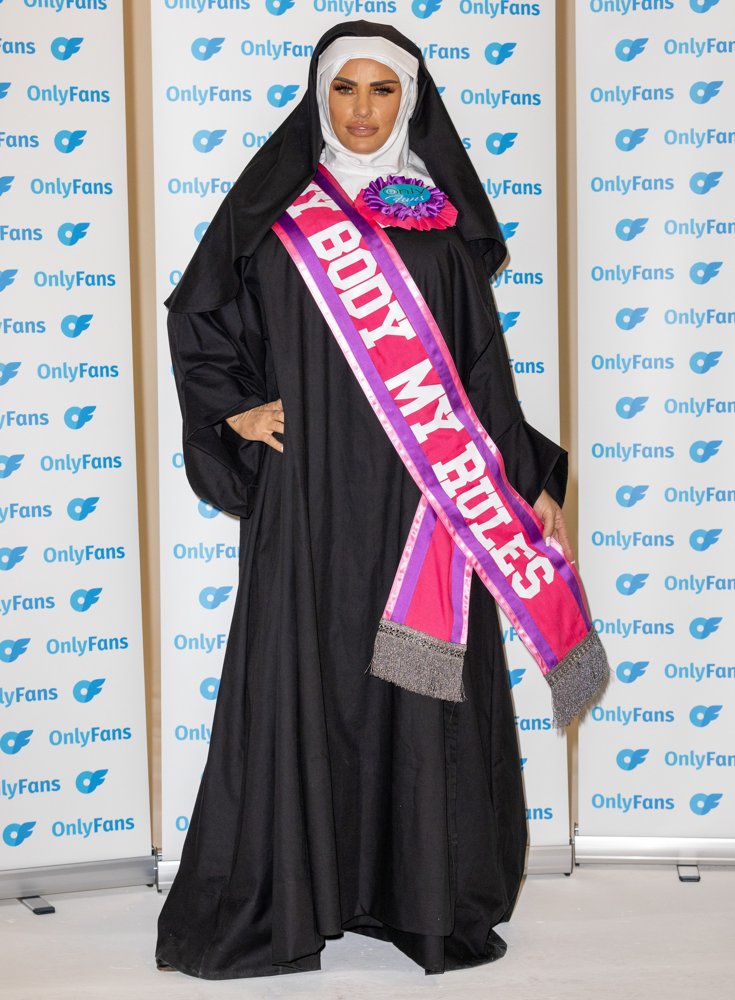
Katie Price
Katie Price Launches Only Fans Channel - Photocall
Jan 26, 2022
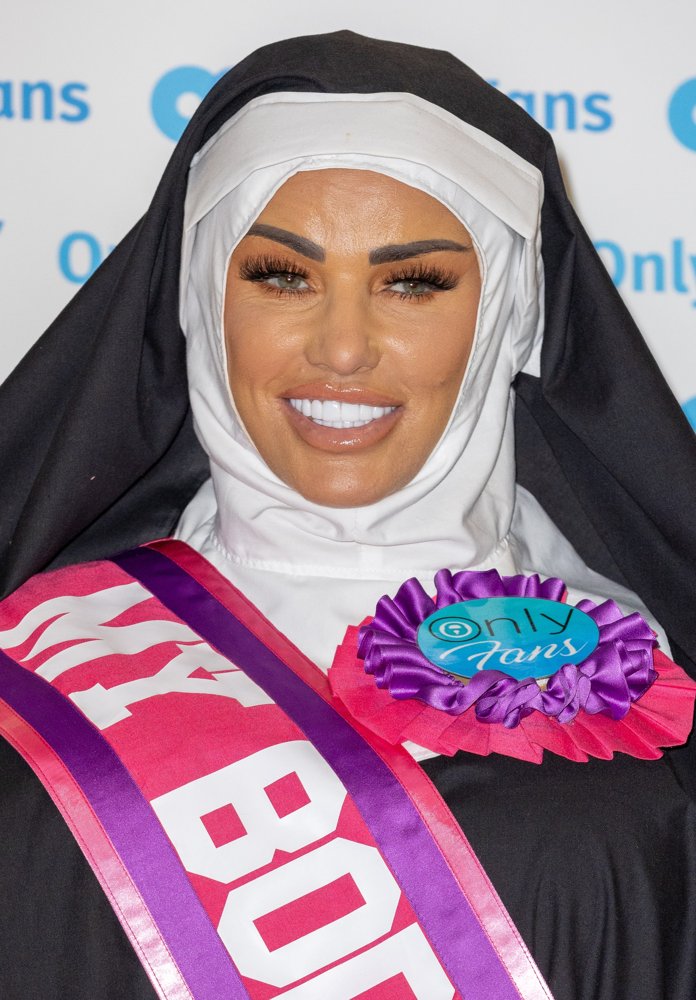
Katie Price
Katie Price Launches Only Fans Channel - Photocall
Jan 26, 2022
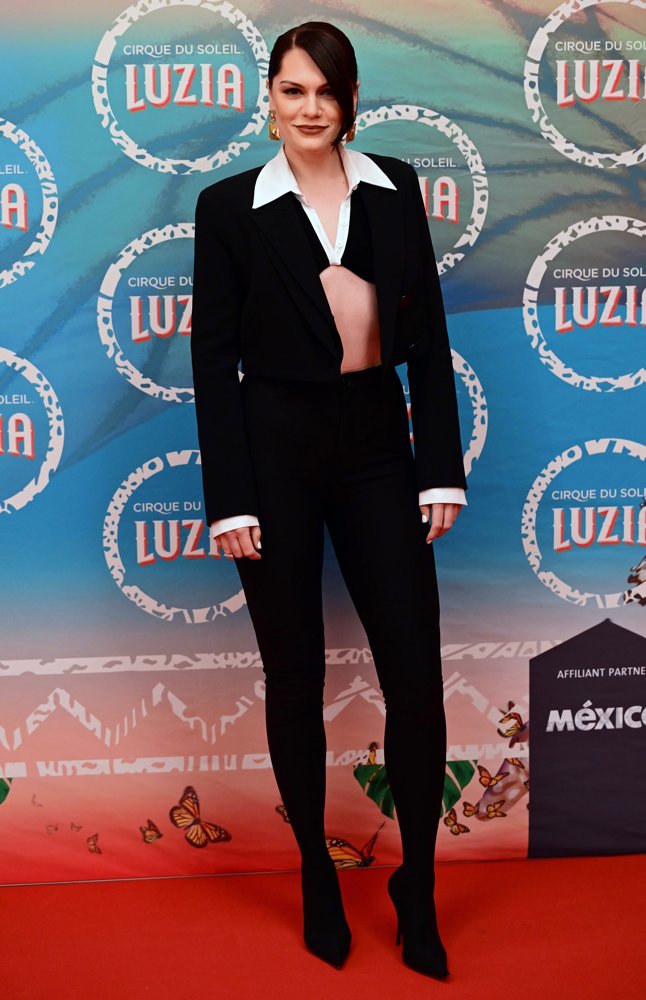
Jessie J
The Premiere of Cirque Du Soleil Luzia
Jan 13, 2022
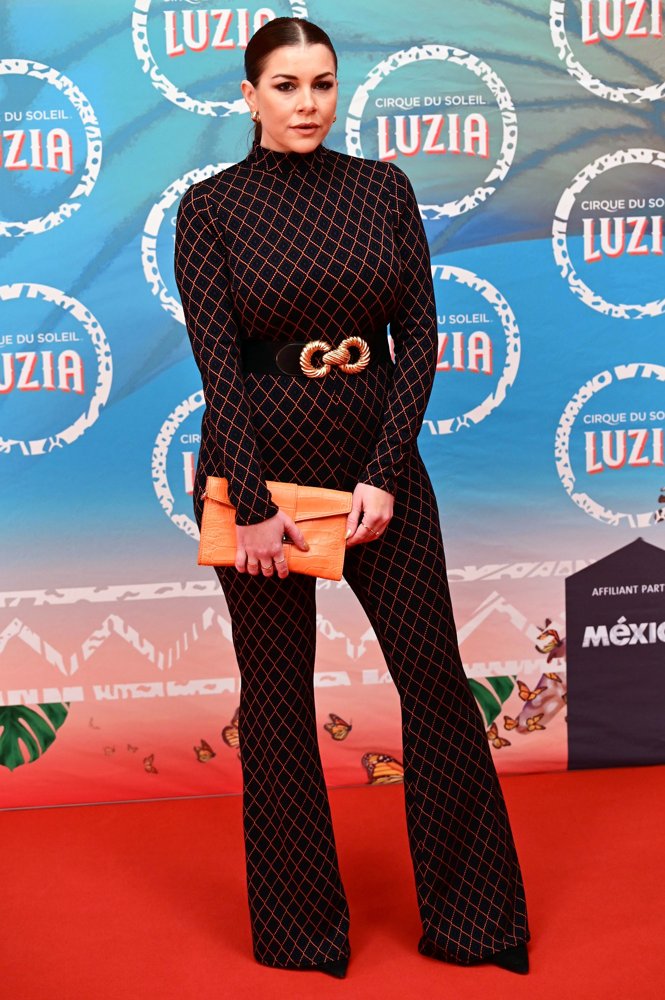
Imogen Thomas
The Premiere of Cirque Du Soleil Luzia
Jan 13, 2022
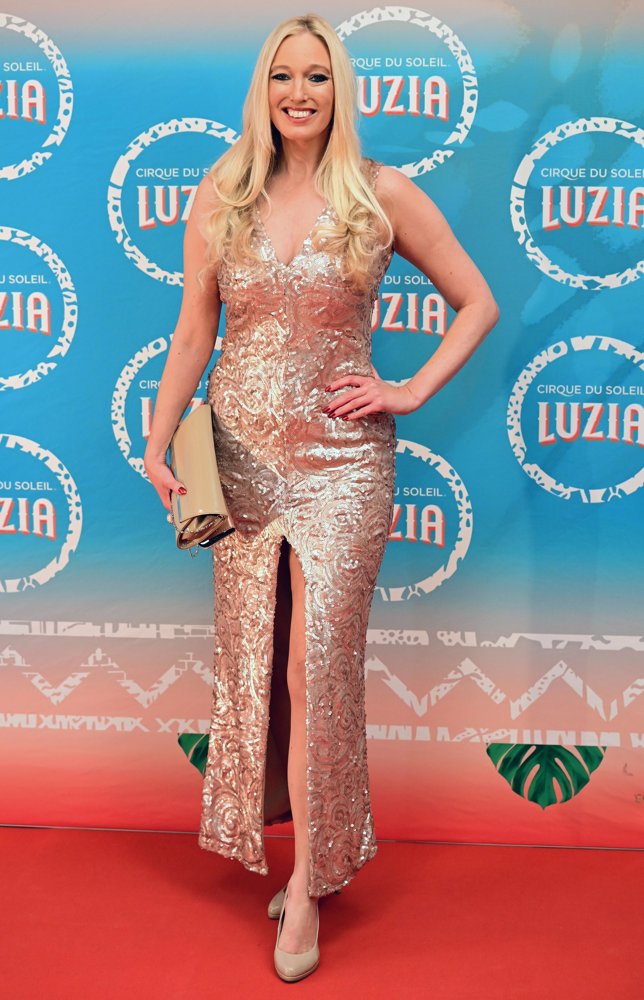
Hayley Palmer
The Premiere of Cirque Du Soleil Luzia
Jan 13, 2022

Phoenix Chi Gulzar
The Premiere of Cirque Du Soleil Luzia
Jan 13, 2022




⭐Featured Celebrities